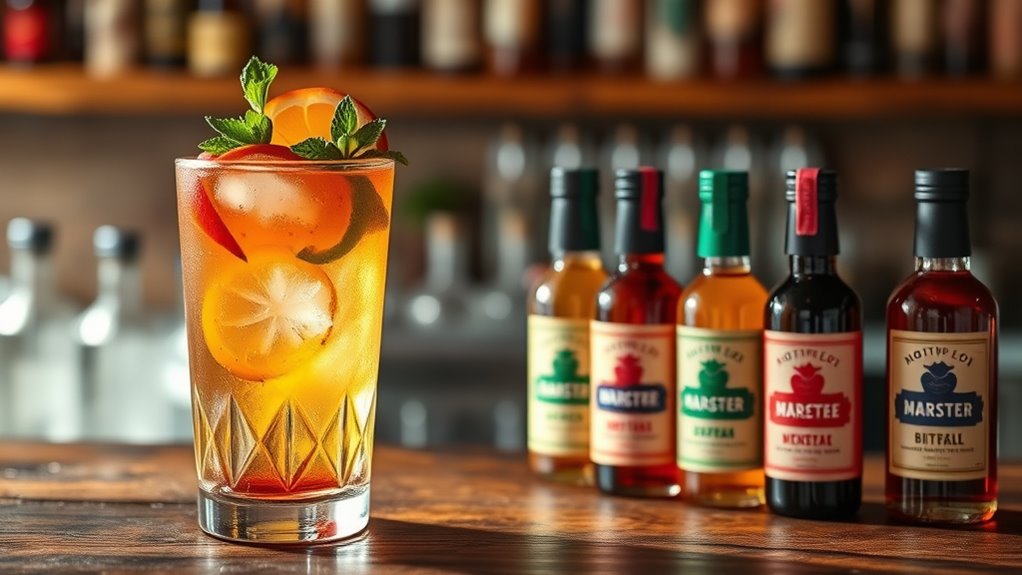

Nonalcoholic cocktail bitters can add citrus, spice, or herbal complexity to zero-proof drinks, but these six options differ in flavor and format. I’d put seasn DARK Cocktail Bitters first for its sugar-free, 0% ABV profile and larger bottle, while Bab Louie Aromatic Spiced Bitters suits classic stirred-drink flavors and Wilfred’s Alcohol-Free Bittersweet Aperitif offers a pourable orange, rosemary, and rhubarb base. The main tradeoff is between concentrated drops that give precise seasoning and larger-format products designed to shape a whole drink. Flavor direction matters too: lemon and orange are easier to pair broadly, while Polynesian, herbal, and spice blends make a more specific statement. Continue reading for the full breakdown and guidance on choosing a bottle for your mocktail routine.

Get kitchen staples and gadgets delivered free with Prime
- Fast, free delivery on millions of items
- Prime Video, Amazon Music and more included
- Member-only deals all year
Key Takeaways
- Seasn DARK stands out for sugar-free, 0% ABV bitters in a 150 ml bottle, giving it a different balance of serving size and cocktail-style use from the 30 ml Bab Louie options.
- Bab Louie’s three bitters split into clear flavor roles: lemon for bright acidity, orange for citrus with barrel aging, and aromatic spiced for a classic baking-spice direction.
- Wilfred’s is an aperitif rather than a small-format dropper, so its orange, rosemary, and rhubarb profile is better suited to building a drink than adding a few dashes.
- El Guapo Polynesian Kiss offers the most distinctive flavor direction in this group, but its specific profile may be less adaptable than lemon, orange, or aromatic bitters.
- The best fit depends on how you mix: choose concentrated bitters for measured accents, a larger bottle for frequent pours, and a clearly defined flavor profile if you want one bottle for a particular drink style.


| nonalcoholic cocktail bitter | Volume | Dietary attributes | Alcohol | Botanicals |
|---|---|---|---|---|
| Bab Louie & Co. Lemon Bitters | 30 ml (1 fl oz) | — | None | 15 |
| Bab Louie & Co. Orange Cocktai | 30 ml (1 fl oz) | Non-GMO, gluten-free, no added sugar | Non-alcoholic | 15 |
| Wilfred’s Alcohol-Free Bitters | — | Vegan, gluten-free, allergen-free | — | — |
| El Guapo Polynesian Kiss Bitte | 4 fl oz | — | — | — |
| Bab Louie & Co. Aromatic Spice | 30 ml (1 fl oz) | Non-GMO, gluten-free | Non-alcoholic | 15 |
| seasn DARK Cocktail Bitters | 150 ml | Vegan, non-GMO, allergen-free | — | — |
More Details on Our Top Picks
Bab Louie & Co. Lemon Bitters, Non-Alcoholic Cocktail and Mocktail Mixer, 30 ml
For a small, alcohol-free dose of citrus complexity, Bab Louie & Co. Lemon Bitters is the most direct fit in this lineup. Its 15 botanicals and European oak aging suggest a layered mixer rather than a simple lemon flavoring, and the no-added-sugar formula suits drinks where sweetness should come from elsewhere. I’d use it in sparkling water, tea, or a mocktail that needs a sharper citrus accent. Compared with Bab Louie’s Orange Cocktail Bitters, this pick is positioned around lemon, though its description also mentions cherry, leaving the exact flavor profile less clear. The 30 ml bottle is easy to store but limits how freely I’d pour, and the stated 15–18 month use window favors buyers who reach for bitters regularly.
Pros:- Non-alcoholic with no added sugar
- Made with 15 botanicals
- European oak aging adds a more layered profile
- Can be used in cocktails, mocktails, tea, and sparkling water
Cons:- The 30 ml bottle limits volume for regular use
- The description gives conflicting lemon and cherry flavor examples
- Best used within 15–18 months
Best for: Mocktail drinkers who want a no-added-sugar citrus accent in sparkling water, tea, or mixed drinks
Not ideal for: Buyers seeking a clearly defined, consistent lemon profile or a larger bottle for frequent use
- Volume:30 ml (1 fl oz)
- Alcohol:None
- Botanicals:15
- Ingredients:Herbs, spices, fruits, and roots
- Dietary claims:Non-GMO, gluten-free, no added sugar
- Aging:European oak barrels
- Shelf life:Use within 15–18 months
Our verdict“Choose this for a small, sugar-free citrus mixer when you can accept some uncertainty about its precise flavor profile.”
Bab Louie & Co. Orange Cocktail Bitters, Non-Alcoholic, Barrel-Aged, 30 ml
Bab Louie & Co. Orange Cocktail Bitters gives buyers a more clearly stated citrus direction than the brand’s Lemon Bitters, whose description also mentions cherry. The orange flavor, 15 botanicals, and European oak aging make this a flexible choice for adding a mellow citrus note to mocktails, tea, or sparkling water. Its no-added-sugar, non-alcoholic formula also leaves sweetness and alcohol out of the equation. Compared with Wilfred’s bittersweet aperitif, this is a concentrated dash-style mixer rather than a ready-to-serve spritz base. That makes it easier to use in small amounts, but the 30 ml bottle provides about 11 servings, so it is a limited supply for frequent mixing. The shorter stated 11–12 month use window also suits regular users better than occasional ones.
Pros:- Clearly specified orange flavor
- Non-alcoholic and has no added sugar
- Combines 15 botanicals with European oak aging
- Versatile across cocktails, mocktails, tea, and sparkling water
Cons:- 30 ml bottle provides approximately 11 servings
- Best used within 11–12 months
- Less suitable than a pourable aperitif for serving as a spritz base
Best for: People who make orange-forward mocktails or add citrus bitters in small amounts to tea and sparkling water
Not ideal for: Frequent entertainers or occasional bitters users who want a larger bottle or a longer stated use window
- Flavor:Orange
- Volume:30 ml (1 fl oz)
- Servings:Approximately 11
- Alcohol:Non-alcoholic
- Botanicals:15
- Aging:European oak barrels
- Dietary attributes:Non-GMO, gluten-free, no added sugar
- Shelf life:Best used within 11–12 months
Our verdict“Pick this for a clearly identified, mellow orange note in small-format alcohol-free drinks.”
Wilfred’s Alcohol-Free Bittersweet Aperitif, Orange, Rosemary & Rhubarb, 500 ml
If the goal is a complete aperitif-style drink rather than a few dashes of seasoning, Wilfred’s Alcohol-Free Bittersweet Aperitif is the lineup’s clearest choice. Bitter orange, rosemary, rhubarb, clove, and gentian create a broader bittersweet profile than Bab Louie’s focused Orange Cocktail Bitters, while the 500 ml bottle is designed to be served over ice with tonic or seltzer. That format makes spritzes easy to assemble without building flavor from several small bottles. The tradeoff is that this is a pourable drink with 20 calories per serving, sugar, and preservatives—not a sugar-free dash-style bitter. Its listed 10 servings also mean the larger bottle does not translate to unlimited pours. I’d choose it for aperitif occasions, but skip it when only a concentrated mixer will do.
Pros:- Zero alcohol with an aperitif-style bittersweet profile
- Orange, rosemary, rhubarb, clove, and gentian offer layered botanical flavor
- Can be served over ice with tonic or seltzer
- Vegan, gluten-free, and allergen-free
Cons:- Contains sugar and preservatives
- Listed as 20 calories per serving
- Bottle is listed as 10 servings
Best for: Drinkers who want a pourable, zero-alcohol bittersweet base for tonic or seltzer spritzes
Not ideal for: Buyers looking for sugar-free cocktail dashes or a low-calorie drink with more than 10 stated servings
- Alcohol content:0.0%
- Bottle volume:500 ml (16.9 fl oz)
- Calories:20 per serving
- Servings per bottle:10
- Flavor profile:Bitter orange, rosemary, rhubarb
- Key botanicals:Bitter orange, rosemary, clove, rhubarb, gentian
- Dietary attributes:Vegan, gluten-free, allergen-free
Our verdict“Choose Wilfred’s when you want a ready-to-pour botanical spritz base and do not need a sugar-free bitters concentrate.”
El Guapo Polynesian Kiss Bitters, 4 fl oz
El Guapo Polynesian Kiss Bitters takes the most overtly tropical route in this roundup, blending passion fruit, guava, pineapple, coconut, almond, floral notes, and spice. That gives mocktail makers a distinct flavor direction that the citrus-focused Bab Louie lemon and orange bitters do not offer. A few dashes can bring fruit and aromatic character to a drink, and the stated uses in marinades, sauces, and dressings give the bottle more kitchen range than a typical cocktail-only mixer. The 4 fl oz size is substantially larger than Bab Louie’s 30 ml bottles, which is useful if tropical flavors are a regular part of your repertoire. The compromise is versatility within a narrower taste lane: coconut and fruit can dominate delicate drinks, so this is less adaptable when you want neutral, classic bitters seasoning.
Pros:- Distinct passion fruit, guava, pineapple, coconut, and almond profile
- Alcohol-free, gluten-free, and vegan
- No added sugar
- Can also be used in marinades, sauces, and dressings
Cons:- Tropical flavor may not suit every drink or dish
- Strong fruit and coconut notes offer less flexibility for classic drink recipes
Best for: Home bartenders who build tropical mocktails and want a bitters bottle that can also season savory recipes
Not ideal for: Buyers who mainly make classic, citrus-led, or delicate drinks where tropical fruit and coconut could overpower the mix
- Volume:4 fl oz
- Flavor:Passion fruit, guava, pineapple, coconut, and almond
- Alcohol-free:Yes
- Gluten-free:Yes
- Vegan:Yes
- Added sugar:None
Our verdict“Choose Polynesian Kiss for tropical drinks and savory experimentation, and skip it if you need an all-purpose classic bitters profile.”
Bab Louie & Co. Aromatic Spiced Bitters, Non-Alcoholic, Zero Sugar, 30 ml
For buyers who want spice rather than a fruit-led accent, Bab Louie & Co. Aromatic Spiced Bitters is the most natural fit among the small-format Bab Louie bottles. Its 15 botanicals and European oak aging give it a more aromatic brief than the brand’s orange and lemon options, while no added sugar and no caffeine keep it suited to soda, tea, and alcohol-free mixed drinks. Compared with El Guapo Polynesian Kiss, it avoids a pronounced tropical fruit profile, so it should be easier to work into a wider range of everyday recipes. That breadth comes in a tiny package: the 30 ml bottle is listed at 11 servings, and the recommended 11–12 month use window favors regular use. Buyers wanting a ready-to-serve aperitif should choose Wilfred’s instead; this is a dash-style ingredient.
Pros:- No added sugar and caffeine-free
- Non-alcoholic, non-GMO, and gluten-free
- Made with 15 botanicals and aged in European oak barrels
- Works in cocktails, mocktails, soda, and tea
Cons:- 30 ml bottle provides 11 servings
- Best used within 11–12 months
- Aromatic spice is less suited to buyers seeking a citrus or tropical fruit flavor
Best for: Regular mocktail makers who want a sugar-free, caffeine-free aromatic dash for soda, tea, and mixed drinks
Not ideal for: People who mix only occasionally, need a larger bottle, or want a pourable aperitif rather than concentrated bitters
- Volume:30 ml (1 fl oz)
- Servings:11
- Botanicals:15
- Alcohol:Non-alcoholic
- Sugar:No added sugar
- Caffeine:Caffeine-free
- Dietary attributes:Non-GMO, gluten-free
- Aging:European oak barrels
- Shelf life:Best used within 11–12 months
Our verdict“Choose this compact bottle for frequent use of sugar-free aromatic dashes across soda, tea, and mocktails.”
seasn DARK Cocktail Bitters, 0% ABV, Vegan and Sugar-Free, 150 ml
seasn DARK is the pick for adding spiced botanical bitterness to alcohol-free drinks without adding sugar or alcohol. Its 150 ml bottle offers more volume than Bab Louie & Co. Aromatic Spiced Bitters at 30 ml, making it a better fit for frequent use across drinks and cooking. The flavor also reaches beyond the glass: the maker lists marinades and baked goods among its uses, giving this bottle more kitchen range than a narrowly cocktail-focused option. That breadth comes with a tradeoff: a strong, bitter profile may overpower delicate citrus drinks or put off anyone who prefers gentle bitters. Vegan, non-GMO, and allergen-free attributes add useful dietary flexibility, though buyers who want a sweet, ready-to-pour aperitif should look instead at Wilfred’s Alcohol-Free Bittersweet Aperitif.
Pros:- 0.0% ABV and sugar-free
- Spiced botanical flavor suits mocktails, soft drinks, and cocktails
- 150 ml volume supports more frequent use than the 30 ml Bab Louie & Co. bitters
- Described as vegan, non-GMO, and allergen-free
Cons:- Strong bitterness may dominate delicate drinks
- The spiced profile is less suited to buyers seeking bright citrus flavor
- Not a ready-to-drink aperitif
Best for: Home bartenders who want a sugar-free, alcohol-free spiced bitter for mocktails and occasional cooking, especially those with vegan or allergen-avoidance needs.
Not ideal for: Drinkers who prefer mild, sweet, or citrus-led flavors, or anyone looking for a ready-to-serve aperitif rather than concentrated bitters.
- Volume:150 ml
- Alcohol by volume:0.0%
- Sugar:Sugar-free
- Flavor:Spiced botanical
- Dietary attributes:Vegan, non-GMO, allergen-free
- Suggested uses:Cocktails, mocktails, soft drinks, marinades, baked goods
- Production:Made in small batches
Our verdict“Choose seasn DARK if you want a larger bottle of sugar-free, alcohol-free spiced bitters for bold drinks and kitchen use.”

How We Picked
I compared the six products by how well their flavor, format, and stated alcohol and sugar attributes suit nonalcoholic cocktail making. I gave more weight to products with a clear role and practical flexibility: a versatile aromatic profile or a larger 0% ABV, sugar-free format can serve more routines than a highly specific flavor, while a pourable aperitif needs to be judged as a drink base rather than as a dash-for-dash substitute.
The ranking reflects those differences, not a claim that one flavor suits everyone. Seasn DARK leads for its stated 0% ABV and sugar-free profile paired with a 150 ml format; Bab Louie’s aromatic spiced bitters follow for a recognizable cocktail flavor in concentrated form. The lemon and barrel-aged orange bitters are useful citrus-focused alternatives, while Wilfred’s and El Guapo rank for more distinctive uses that may appeal strongly to the right buyer but are less interchangeable across recipes. Product details here are based on the supplied names and descriptions.
| nonalcoholic cocktail bitter | Alcohol | Shelf life | Flavor | Dietary attributes |
|---|---|---|---|---|
| Bab Louie & Co. Lemon Bitters | None | Use within 15–18 months | — | — |
| Bab Louie & Co. Orange Cocktai | Non-alcoholic | Best used within 11–12 months | Orange | Non-GMO, gluten-free, no added sugar |
| Wilfred’s Alcohol-Free Bitters | — | — | — | Vegan, gluten-free, allergen-free |
| El Guapo Polynesian Kiss Bitte | — | — | Passion fruit, guava, pineapple, coconut, and almond | — |
| Bab Louie & Co. Aromatic Spice | Non-alcoholic | Best used within 11–12 months | — | Non-GMO, gluten-free |
| seasn DARK Cocktail Bitters | — | — | Spiced botanical | Vegan, non-GMO, allergen-free |
Factors to Consider When Choosing Nonalcoholic Cocktail Bitters
Choosing among these bottles starts with how you want to use bitters: as a measured accent, a core flavor, or part of a longer aperitif-style drink. I’d check the label and your recipes before treating products with different formats as substitutes.
Decide Whether You Need Drops or a Pour
Concentrated bitters are intended to add flavor in small amounts, which makes them useful when a drink needs seasoning without much added volume. A pourable aperitif has a different job: it contributes more of the drink’s body and flavor, so recipes may need different proportions. A common mistake is to swap one format for another in equal amounts and expect the same result. Start with the serving directions on the bottle, then adjust a recipe gradually. If you want one product for occasional dashes, choose a bitters format; if you want a larger component in a spritz or mixed drink, an aperitif may make more sense.
Match the Flavor to Drinks You Already Make
Think about the drinks you make most often before choosing a flavor. Citrus bitters can complement drinks built around tonic, soda, or juice, while aromatic spice can bring warmth to recipes that feel thin without spirits. Herbal and rhubarb notes create a more defined character, which can be a plus when you want a drink with a distinct profile. The Polynesian Kiss name also signals a more specialized direction than a general citrus or aromatic option, so look for recipes that suit it. Buying by a flavor you enjoy is more useful than assuming every bitters bottle will work in every mocktail.
Check Alcohol and Sugar Claims on the Label
“Nonalcoholic” can be used differently across product categories, and an alcohol-free aperitif and a 0% ABV bitters are not automatically the same kind of product. If you need to avoid alcohol completely, read the product’s ABV statement and confirm that it meets your requirements. Check sugar separately: sugar-free describes a different attribute from alcohol content. This distinction matters when a drink plan depends on both constraints. If the label leaves either point unclear, check the manufacturer’s product information before buying.
Think About Bottle Size and How Quickly You’ll Use It
Bottle size affects storage and how often you need to replace a favorite, but it does not tell you how many drinks a bottle makes because serving amounts vary. A small-format bottle may be practical if you are trying an unfamiliar flavor or use bitters only occasionally. A larger bottle can suit regular mixing, especially when the product is intended for more than a dash. Avoid choosing by volume alone: a specific flavor that sits unused is poor value for your routine. Consider your expected serving size, usage frequency, and storage space together.
Know When a More Specific Flavor Is Worth Choosing
A focused flavor can be a better purchase than a broadly useful one if you have a favorite recipe that depends on it. Orange with barrel-aged notes, a bittersweet herbal aperitif, and Polynesian-style bitters each suggest different drink directions. Before choosing a specialized bottle, find at least a couple of recipes you would actually make with it. If you want a single bottle for experimentation, a familiar citrus or aromatic direction is easier to place in varied recipes. Paying attention to flavor specificity helps prevent a distinctive product from becoming a one-drink purchase.
Frequently Asked Questions
Can I use nonalcoholic bitters as a direct replacement for alcoholic cocktail bitters?
That depends on the product: flavor intensity, serving format, and ABV can differ, so there is no universal one-to-one swap. Start with the label’s suggested amount and taste before adding more. Concentrated bitters are closer to a dash-style seasoning, while a pourable aperitif may need to replace a larger part of a recipe. If you are avoiding alcohol strictly, verify the specific ABV statement rather than relying on the category name. Adjust sweetness and acidity separately if the finished drink tastes unbalanced.
Which style should I choose if I want one bottle for several kinds of mocktails?
For varied recipes, a familiar citrus or aromatic profile is often easier to work into different combinations than a strongly herbal or tropical direction. The Bab Louie lemon, orange, and aromatic spiced options each bring a distinct role, so choose based on whether your drinks need brightness, citrus depth, or warmth. Seasn DARK is another candidate if its stated sugar-free, 0% ABV profile matches your preferences. No single bottle will suit every flavor pairing. Think about the bases you use most—such as soda, tonic, juice, or tea—and choose a profile that complements them.
Are bitters a good choice if I also need to avoid sugar?
Some products state that they are sugar-free, but that claim should be checked for the exact bottle you plan to buy. In this lineup, seasn DARK is described as sugar-free, and Bab Louie Aromatic Spiced Bitters is described as zero sugar. Those claims do not establish the sugar content of the other options. An aperitif may also be used in larger quantities than concentrated bitters, making its nutrition information particularly relevant. Read the current label and serving information if sugar intake is a deciding factor.
Should I choose a small bottle or a larger bitters-style product?
Choose based on how the product is used, not just the number of milliliters. The Bab Louie bottles are 30 ml, while seasn DARK is 150 ml and Wilfred’s is 500 ml; those sizes span different formats and likely serving patterns. A small bottle can limit commitment when you are exploring a flavor, while a larger one may fit frequent use or a recipe that calls for a fuller pour. Compare the recommended serving amount and storage guidance on the label. Bottle volume alone cannot tell you how many drinks you will make.
What should I choose if I want a richer, spirit-free aperitif rather than a few dashes of flavor?
Look at products described as aperitifs or intended to be poured as part of a drink, rather than assuming concentrated bitters will provide the same body. Wilfred’s is described as an alcohol-free bittersweet aperitif with orange, rosemary, and rhubarb, giving it a more pronounced herbal-fruit direction. That makes it a different kind of choice from the 30 ml Bab Louie bitters. Check serving guidance and any sweetness information before building a recipe around it. If you want adjustable seasoning in a familiar cocktail format, concentrated bitters may be a better fit.
Conclusion
For the best overall fit, I’d choose seasn DARK if its sugar-free, 0% ABV profile and larger bottle suit your routine. For value through concentrated, familiar flavor, Bab Louie Aromatic Spiced Bitters is a practical starting point; beginners who prefer brighter flavors can instead choose Bab Louie Lemon. For a premium-style, pourable aperitif, Wilfred’s offers a more developed orange, rosemary, and rhubarb direction, while Bab Louie Orange adds barrel-aged citrus in a compact bitters format. Choose El Guapo Polynesian Kiss when that distinctive profile is the point of the purchase. The right pick comes down to whether you need flexible seasoning, a specific flavor, or a fuller aperitif pour.
Halloween Picks
halloween
As an affiliate, we earn on qualifying purchases.