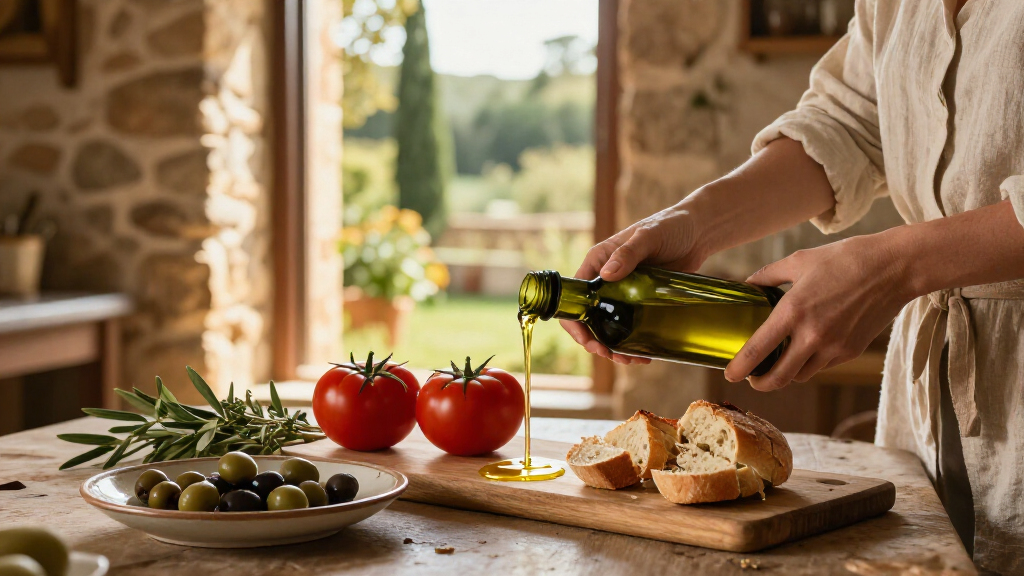

Among the best Italian olive oils in this lineup, I rank Frescobaldi Laudemio Extra Virgin Olive Oil best overall for its Tuscan focus and finishing appeal. Partanna Robust is a bolder choice for hearty dishes, while De Cecco 100% Italian suits shoppers who want a versatile everyday bottle. The main tradeoffs are flavor intensity, format and quantity, and whether you want a distinctive regional oil or a flexible kitchen staple. Early-harvest and high-polyphenol claims may appeal to some buyers, but they do not replace freshness, sound storage, or a flavor you enjoy. Read on for the full comparison and help matching each oil to its best use.

Get kitchen staples and gadgets delivered free with Prime
- Fast, free delivery on millions of items
- Prime Video, Amazon Music and more included
- Member-only deals all year
Key Takeaways
- Frescobaldi Laudemio leads for buyers seeking a Tuscan finishing oil, while its more specialized profile may be less suited to an all-purpose cooking role.
- Partanna Robust and Montinaro Coratina are the lineup’s bold-style options; their assertive character makes more sense with robust foods than delicate dishes.
- De Cecco and Colavita take the everyday route, with larger formats that favor regular household use over small-batch exploration.
- Laudemio Volmiano stands apart for its organic, early-harvest positioning and gift box, but premium presentation and intensity are not priorities for every buyer.
- The lineup spans 500 mL tins and bottles through multi-liter tins, so choosing a size that matches how quickly you use olive oil can matter as much as choosing a region or flavor style.
| Frescobaldi Laudemio Extra Virgin Olive Oil, 500 ml |  | Best for Tuscan Finishing | Brand: Frescobaldi | Type: Extra virgin olive oil | Volume: 500 ml (16.9 fl oz) | VIEW LATEST PRICE | See Our Full Breakdown |
| Laudemio Volmiano Organic Tuscan Extra Virgin Olive Oil, Early Harvest, 900+ mg/kg Polyphenols, Gift Box |  | Best for High-Polyphenol Intensity | Origin: Fattoria di Volmiano, near Florence, Tuscany, Italy | Harvest: October 2025 | Polyphenols: 900+ mg/kg | VIEW LATEST PRICE | See Our Full Breakdown |
| Oleificio Guccione Zahara Sicilian Extra Virgin Olive Oil |  | Best Sicilian Single-Variety Pick | Origin: Chiaramonte Gulfi, Sicily, Italy | Olive variety: Tonda Iblea | Volume: 16.9 oz | VIEW LATEST PRICE | See Our Full Breakdown |
| De Cecco Extra Virgin Olive Oil, 100% Italian, Cold Extracted, 25.4 fl oz |  | Best for Mild Everyday Use | Origin: Italy | Volume: 25.4 fl oz | Olive content: 100% Italian olives | VIEW LATEST PRICE | See Our Full Breakdown |
| Yolioo Organic Extra Virgin Olive Oil, Cold Pressed, 25.4 oz |  | Best for Traceable Organic Tuscan Everyday Use | Brand: Yolioo | Type: Organic extra virgin olive oil | Volume: 25.4 oz | VIEW LATEST PRICE | See Our Full Breakdown |
| Entimio Intenso Organic Italian Extra Virgin Olive Oil – 16.9 fl oz |  | Best for High-Polyphenol Intensity | Volume: 16.9 fl oz | Origin: Puglia, Italy | Certification: USDA Certified Organic | VIEW LATEST PRICE | See Our Full Breakdown |
| Partanna Robust Extra Virgin Olive Oil, 16.9 oz (500 ml) Tin |  | Best for Buttery Robust Flavor | Volume: 16.9 oz (500 ml) | Origin: Trapani, Sicily, Italy | Olive variety: Castelvetrano | VIEW LATEST PRICE | See Our Full Breakdown |
| Frantoi Cutrera Primo Italian Extra Virgin Olive Oil, 25.4 fl oz |  | Best for Bold Sicilian Finishing | Volume: 25.4 fl oz | Origin: Chiaramonte Gulfi, Sicily, Italy | Olive variety: Tonda Iblea | VIEW LATEST PRICE | See Our Full Breakdown |
| Frantoio Extra Virgin Olive Oil, 1 Liter |  | Best for Everyday Sicilian Cooking | Volume: 33.8 fl oz (1 liter) | Origin: Sicily, Italy | Olive varieties: Biancolilla, Nocellara del Belice, Cerasuola | VIEW LATEST PRICE | See Our Full Breakdown |
| Partanna Everyday Mild Extra Virgin Olive Oil – Premium Castelvetrano & Biancolilla, High Polyphenol, First Cold Pressed, Early Harvest, 16.9 oz (500 ml) Tin |  | Best for Mild Flavor and Beginners | Volume: 16.9 oz (500 ml) | Olive varieties: Nocellara del Belice and Biancolilla | Polyphenol content: 400–600 mg/kg | VIEW LATEST PRICE | See Our Full Breakdown |
| ArteOlio Prezioso Extra Virgin Olive Oil, Single Estate Cold Pressed |  | Best for Estate Traceability | Origin: Tuscany, Italy | Oil type: Extra virgin olive oil | Production method: Cold pressed | VIEW LATEST PRICE | See Our Full Breakdown |
| Colavita Premium Italian Extra Virgin Olive Oil, 2 Liters |  | Best for Everyday Italian Cooking | Brand: Colavita | Origin: Italy | Oil type: Extra virgin olive oil | VIEW LATEST PRICE | See Our Full Breakdown |
| Italian Olive Crafters Organic Extra Virgin Olive Oil, 500 mL |  | Best for Organic Sicilian Flavor | Origin: Sicily, Italy | Oil type: Extra virgin olive oil | Volume: 500 mL (16.9 fl oz) | VIEW LATEST PRICE | See Our Full Breakdown |
| Montinaro Robust Italian Extra Virgin Olive Oil – 3 Liter Tin – Coratina Monovarietal from Puglia |  | Best for Bold Flavor and Bulk Use | Brand: Montinaro | Origin: Puglia, Italy | Oil type: Extra virgin olive oil | VIEW LATEST PRICE | See Our Full Breakdown |
| Virgeen Italian Extra Virgin Olive Oil, Cold-Pressed, High in Polyphenols |  | Best for Small-Farm Tuscan Provenance | Origin: Tuscany, Italy | Oil type: Extra virgin olive oil | Production: Single-source, small family farm | VIEW LATEST PRICE | See Our Full Breakdown |
| Italian olive oil | Origin | Volume |
|---|---|---|
| Frescobaldi Laudemio Extra Vir | Tuscany, Italy | 500 ml (16.9 fl oz) |
| Laudemio Volmiano Organic Tusc | Fattoria di Volmiano, near Florence, Tuscany, Italy | — |
| Oleificio Guccione Zahara Sici | Chiaramonte Gulfi, Sicily, Italy | 16.9 oz |
| De Cecco Extra Virgin Olive Oi | Italy | 25.4 fl oz |
| Yolioo Organic Extra Virgin Ol | Tuscany, Italy | 25.4 oz |
| Entimio Intenso Organic Italia | Puglia, Italy | 16.9 fl oz |
| Partanna Robust Extra Virgin O | Trapani, Sicily, Italy | 16.9 oz (500 ml) |
| Frantoi Cutrera Primo Italian | Chiaramonte Gulfi, Sicily, Italy | 25.4 fl oz |
| Frantoio Extra Virgin Olive Oi | Sicily, Italy | 33.8 fl oz (1 liter) |
| Partanna Everyday Mild Extra V | — | 16.9 oz (500 ml) |
| ArteOlio Prezioso Extra Virgin | Tuscany, Italy | — |
| Colavita Premium Italian Extra | Italy | 2 liters (68 fl oz) |
| Italian Olive Crafters Organic | Sicily, Italy | 500 mL (16.9 fl oz) |
| Montinaro Robust Italian Extra | Puglia, Italy | 3 liters (101 fl oz) |
| Virgeen Italian Extra Virgin O | Tuscany, Italy | — |
More Details on Our Top Picks
Frescobaldi Laudemio Extra Virgin Olive Oil, 500 ml
Frescobaldi Laudemio is my pick for cooks who want a vivid Tuscan oil to use at the table rather than a neutral everyday bottle. Its early-harvest olives are cold-pressed within hours, a process suited to preserving the fruity aroma and peppery bite that make it stand out on salads, vegetables, fish, and bread. Compared with De Cecco Extra Virgin Olive Oil, which is described as sweeter and almond-like, Laudemio is the more assertive finishing choice. Its listed single-origin, never-blended character also gives it a distinct profile in this group. The tradeoff is that peppery intensity will not suit diners who prefer mild oils, and the product is recommended primarily for raw use and finishing, not as an all-purpose cooking bottle.
Pros:- Early-harvest olives are cold-pressed within hours
- Described as never blended
- Fruity, peppery flavor suits raw dishes and finishing
- Tuscan origin is specified
Cons:- Peppery intensity may overwhelm people who prefer mild oils
- Best suited to raw use and finishing rather than broad cooking use
- 500 ml format offers less volume than the 25.4 fl oz De Cecco bottle
Best for: Cooks seeking a distinctly fruity, peppery Tuscan oil for dressing salads, finishing vegetables or fish, and serving with bread.
Not ideal for: Buyers who want a mild, versatile oil for frequent cooking or prefer a larger-format pantry bottle.
- Brand:Frescobaldi
- Type:Extra virgin olive oil
- Volume:500 ml (16.9 fl oz)
- Origin:Tuscany, Italy
- Harvest and processing:Early harvest; cold-pressed within hours
- Flavor:Fruity and peppery
- Other listed characteristic:Rich in natural polyphenols
Our verdict“Choose Laudemio for a pronounced Tuscan finishing oil, but pick De Cecco if you want a gentler flavor and a larger bottle.”
Laudemio Volmiano Organic Tuscan Extra Virgin Olive Oil, Early Harvest, 900+ mg/kg Polyphenols, Gift Box
Laudemio Volmiano is the most data-forward choice here for buyers drawn to a forceful early-harvest profile: the listing specifies 900+ mg/kg polyphenols, acidity below 0.20%, and organic production. Artichoke and fresh-cut grass notes lead into a bitter, peppery finish, so this is a more intense pick than the sweeter De Cecco and a gift-ready alternative to the straightforward Frescobaldi Laudemio. Its single-estate origin near Florence and lab testing add useful detail for shoppers who value provenance and product information. Those same traits narrow its audience: the assertive bitterness can dominate delicate dishes, and the specified best-before date of January 31, 2028, is worth checking against how quickly you plan to use the bottle.
Pros:- Single-estate origin near Florence, Tuscany
- Listed at 900+ mg/kg polyphenols and below 0.20% acidity
- Organic, early-harvest, cold-extracted production
- Premium gift box and lab testing are specified
Cons:- Bitter, peppery finish may be too intense for mild-oil preferences
- The specified best-before date is January 31, 2028
- More specialized in flavor than the sweeter De Cecco
Best for: Enthusiasts who enjoy bitter, peppery early-harvest oil and want a lab-tested, organic Tuscan bottle in gift packaging.
Not ideal for: People who prefer mellow oils, need a long-dated pantry reserve, or mainly want a neutral oil for delicate foods.
- Origin:Fattoria di Volmiano, near Florence, Tuscany, Italy
- Harvest:October 2025
- Polyphenols:900+ mg/kg
- Acidity:Below 0.20%
- Monounsaturated fats:Over 70%
- Smoke point:470°F
- Production:Organic, early harvest, cold extracted
- Packaging and testing:Premium gift box; lab tested for purity and quality
- Best before:January 31, 2028
Our verdict“Choose Volmiano for a strongly green, bitter-peppery Tuscan oil with detailed production claims, not for a mellow everyday flavor.”
Oleificio Guccione Zahara Sicilian Extra Virgin Olive Oil
Oleificio Guccione Zahara earns its place for a specific reason: it is a single-variety Tonda Iblea oil, with a grassy, tomato-leaf profile and peppery finish that sets it apart from the Tuscan oils in this group. Hand-picked olives are cold-pressed within hours at a family mill, and acidity is listed below 0.2%. Compared with Frescobaldi Laudemio, Zahara is also described as suitable for light sautéing, giving it a little more cooking flexibility while keeping its strongest appeal as a finishing oil. The tradeoffs are its focused flavor, which may not suit fans of mild oils, and small-batch availability. Its gift box makes it presentable, but the listing gives no volume in milliliters, so buyers should check the package details when comparing bottle size.
Pros:- Made from hand-picked Tonda Iblea olives
- Cold-pressed within hours and unrefined
- Grassy, herbal, tomato-leaf, and peppery notes offer a distinct Sicilian profile
- Listed for finishing and light sautéing; gift box included
Cons:- Specific, bold flavor may not suit those who prefer mild oils
- Small-batch production may limit availability
- Volume is listed in ounces rather than milliliters
Best for: Cooks who want a distinctive Sicilian, single-variety oil for finishing dishes and occasional light sautéing.
Not ideal for: Shoppers seeking a mild, widely available everyday oil or those who need a clearly stated metric bottle size.
- Origin:Chiaramonte Gulfi, Sicily, Italy
- Olive variety:Tonda Iblea
- Volume:16.9 oz
- Acidity:Below 0.2%
- Smoke point:Above 375°F
- Processing:Cold-pressed, unrefined, no blending
- Harvest:Early harvest
- Packaging:Gift box
Our verdict“Pick Zahara for a characterful Sicilian single-variety oil with some light-sautéing flexibility, rather than a mild all-purpose bottle.”
De Cecco Extra Virgin Olive Oil, 100% Italian, Cold Extracted, 25.4 fl oz
De Cecco is the most approachable flavor choice in this set: its golden-yellow oil is described as sweet, lightly fruity, and almond-like rather than sharply bitter or peppery. That makes it a useful counterpoint to the assertive Frescobaldi Laudemio and Oleificio Guccione Zahara, both better suited to cooks who actively want a pronounced finish. De Cecco also offers a 25.4 fl oz dark-glass bottle, cold extracted below 80°F, with olives stated to be 100% Italian. The larger format and gentle profile favor regular use, while the listed acidity below 0.3% adds a measurable specification. Its main limitation is less flavor specificity than the early-harvest, single-variety options; the product description also includes unrelated pasta information, so the oil details are the relevant claims to focus on.
Pros:- Made exclusively from Italian olives
- Mild, sweet flavor with light fruit and almond notes
- Cold extracted below 80°F
- Dark glass bottle and 25.4 fl oz volume
Cons:- Less assertive than the early-harvest Frescobaldi and Zahara oils
- The product description includes unrelated pasta information
- No specific olive variety or single-estate origin is listed
Best for: Households looking for a larger bottle of Italian extra virgin olive oil with a gentle, lightly fruity flavor for routine meals.
Not ideal for: Shoppers seeking a bold early-harvest finish, a named olive variety, or detailed single-estate provenance.
- Origin:Italy
- Volume:25.4 fl oz
- Olive content:100% Italian olives
- Extraction:Cold extracted below 80°F (27°C)
- Acidity:Below 0.3%
- Packaging:Dark glass bottle
- Certifications:Kosher, BRC, IFS
- Flavor:Sweet, lightly fruity, almond-like
Our verdict“Choose De Cecco for a mild Italian oil in a larger dark-glass bottle; look to Zahara or Frescobaldi for more pronounced character.”
Yolioo Organic Extra Virgin Olive Oil, Cold Pressed, 25.4 oz
Yolioo Organic Extra Virgin Olive Oil is a practical choice for buyers who want Tuscan sourcing and organic certification in a larger bottle, without the gift-focused presentation or sharply defined bitterness of Laudemio Volmiano. Its locally sourced olives come from a third-generation family farm near Florence, and the listing says they are pressed within six hours at 22–24°C. That gives shoppers a clear account of the harvest-to-press process, while full traceability and sustainability practices suit buyers who care about sourcing. The description calls it polyphenol-rich but supplies no numerical level, and it gives no specific flavor notes, so it is harder to compare by taste with Frescobaldi or Zahara. I’d favor it for routine use over a gift or tasting-focused purchase.
Pros:- Organic extra virgin olive oil from a family farm near Florence
- Olives are stated to be pressed within six hours of harvest
- Processing temperature is specified as 22–24°C
- Fully traceable and described as sustainably produced
Cons:- No numerical polyphenol level is provided
- No detailed flavor profile is listed for comparison with Frescobaldi or Zahara
- No packaging details or acidity figure are supplied
Best for: Organic-minded households wanting a 25.4 oz Tuscan oil with stated farm sourcing, quick pressing, and traceability.
Not ideal for: Shoppers who need a quantified polyphenol level, detailed tasting notes, or a gift-ready package.
- Brand:Yolioo
- Type:Organic extra virgin olive oil
- Volume:25.4 oz
- Origin:Tuscany, Italy
- Processing:Cold-pressed within six hours of harvest at 22–24°C
- Certifications:Organic; extra virgin
- Traceability:Fully traceable
- Production:Locally sourced olives; third-generation family farm; sustainability practices
Our verdict“Choose Yolioo for traceable organic Tuscan sourcing and a larger format, but select Volmiano if quantified polyphenol and flavor details matter more.”
Entimio Intenso Organic Italian Extra Virgin Olive Oil – 16.9 fl oz
Entimio Intenso is the lineup’s most assertive choice, pairing early-harvest Puglian olives with a reported polyphenol level above 1,000 mg/kg and acidity below 0.25%. Its green almond, artichoke, and tomato notes, along with a peppery-bitter finish, suit cooks who want a pronounced oil for dipping or finishing rather than a nearly neutral background flavor. Compared with Partanna Robust, Entimio reports substantially higher polyphenols and a higher smoke point, while Partanna offers a buttery profile and a protective tin. Entimio’s USDA organic certification and stated smoke point above 470°F make it unusually versatile for a bold oil. The tradeoff is intensity: diners who prefer gentle, sweet flavors may find it overpowering, and its artisanal positioning may be less appealing to buyers seeking an uncomplicated everyday oil.
Pros:- USDA Certified Organic
- Reported polyphenol content above 1,000 mg/kg
- Acidity below 0.25% and a stated smoke point above 470°F
- Distinctive green almond, artichoke, and tomato flavor notes
Cons:- Peppery bitterness may overpower delicate dishes or mild palates
- Artisanal positioning and luxury packaging may make it a less practical everyday choice
Best for: Cooks seeking an organic, strongly flavored Puglian oil for peppery finishing, dipping, and higher-heat cooking.
Not ideal for: Buyers who want a mild oil for delicate fish or broad family use, or who prioritize a tin that shields oil from light.
- Volume:16.9 fl oz
- Origin:Puglia, Italy
- Certification:USDA Certified Organic
- Polyphenol content:>1,000 mg/kg
- Acidity:<0.25%
- Monounsaturated fats:>70%
- Smoke point:>470°F
- Harvest date:October 2025
Our verdict“Choose Entimio Intenso if you want a certified-organic Italian oil with pronounced flavor and high reported polyphenols, but skip it if you prefer a mild finish.”
Partanna Robust Extra Virgin Olive Oil, 16.9 oz (500 ml) Tin
Partanna Robust earns its place for a robust Sicilian character that leans buttery, with only a light peppery finish. Made from 100% Castelvetrano olives and cold-pressed within four hours of harvest, it gives buyers a clear single-variety profile without the harder bitter edge of Entimio Intenso. Its colored tin also helps limit light exposure, a practical advantage over the bottle format of Frantoio Extra Virgin Olive Oil. The oil is filtered and described as versatile for sautéing, roasting, baking, and dressings, so it can serve both at the stove and at the table. The tin is less convenient to pour from than a bottle, and its robust flavor will not suit everyone. Its stated 400–600 mg/kg polyphenol range is also below Entimio’s reported level above 1,000 mg/kg.
Pros:- Made entirely from Castelvetrano olives
- Cold-pressed within four hours of harvest
- Colored tin helps protect the oil from light and oxidation
- Buttery flavor works across cooking and dressing uses
Cons:- Tin can be less convenient to pour than a bottle
- Robust peppery flavor may be too assertive for mild-oil preferences
Best for: Home cooks who want a single-variety Sicilian oil with a buttery, peppery character and light-protective packaging.
Not ideal for: Buyers who need easy, controlled pouring or prefer a mild oil for delicate foods.
- Volume:16.9 oz (500 ml)
- Origin:Trapani, Sicily, Italy
- Olive variety:Castelvetrano
- Ingredients:100% Castelvetrano olives
- Polyphenol content:400–600 mg/kg
- Processing:Filtered; cold-pressed within four hours of harvest
- Flavor:Buttery with a light peppery finish
- Packaging:Colored tin
Our verdict“Pick Partanna Robust for buttery single-variety Sicilian flavor and protective tin packaging, not for the easiest pouring or the highest stated polyphenol level.”
Frantoi Cutrera Primo Italian Extra Virgin Olive Oil, 25.4 fl oz
Frantoi Cutrera Primo is the pick for cooks who want an early-harvest Sicilian oil to bring noticeable fruit and spice to the plate. Its Tonda Iblea olives are organically farmed and cold-extracted within six hours of picking; the described green tomato, balsamic herb, and sweet almond notes give it more aromatic detail than the gentler, buttery Partanna Everyday Mild. That intensity makes Primo a natural match for grilled meat, fish, soups, and toasted bread, where a finishing drizzle can remain distinct. The larger 25.4 fl oz volume also gives it more capacity than the 16.9 oz Partanna tins. The tradeoff is palate range: Primo’s fruity, bitter, and spicy character may be too forceful for diners who want one restrained oil for every dish, and the product data does not specify a polyphenol level or acidity figure.
Pros:- Made from single-variety Tonda Iblea olives
- Olives are organically farmed
- Cold extraction within six hours of picking
- Larger 25.4 fl oz format suits frequent finishing and serving
Cons:- Fruity, bitter, and spicy intensity may not fit mild palates
- No polyphenol or acidity figure is provided in the supplied product data
Best for: Olive-oil enthusiasts who want an organically farmed, intensely fruity Sicilian oil for finishing grilled foods, soups, and bread.
Not ideal for: Households seeking a mild, crowd-pleasing oil or buyers comparing products by stated polyphenol and acidity figures.
- Volume:25.4 fl oz
- Origin:Chiaramonte Gulfi, Sicily, Italy
- Olive variety:Tonda Iblea
- Harvest:Early green harvest
- Extraction method:Cold extracted
- Processing time:Cold extracted within six hours of picking
- Farming:Organically farmed
Our verdict“Choose Primo when you want a larger-format, aromatic Sicilian finishing oil; choose Partanna Everyday Mild instead for a softer, more widely approachable flavor.”
Frantoio Extra Virgin Olive Oil, 1 Liter
Frantoio Extra Virgin Olive Oil stands out for its one-liter format and balanced blend of Biancolilla, Nocellara del Belice, and Cerasuola olives. The fruity, sweet flavor and almond finish are gentler than the green tomato and spice of Frantoi Cutrera Primo, making this a more adaptable choice for seafood, salads, cheeses, and routine Mediterranean cooking. The blend trades the single-variety identity of Primo and Partanna Robust for a broader flavor profile, while cold-pressing within 24 hours of harvest provides a defined handling detail. Its larger volume suits households that cook with olive oil regularly, though the supplied data gives no protective packaging detail. The delicate flavor may lose distinction under high heat, so I would reserve this bottle for moderate cooking and finishing rather than treating it as a hard-searing oil.
Pros:- One-liter volume suits frequent household use
- Three-variety Sicilian blend offers a balanced flavor profile
- Cold-pressed within 24 hours of harvest
- Fruity sweetness and almond finish complement seafood and salads
Cons:- Delicate flavor may not stand up to high-heat cooking
- Supplied product data does not specify protective packaging or a harvest date
Best for: Regular home cooks who want a liter of versatile, delicate Sicilian oil for salads, seafood, cheese, and moderate everyday cooking.
Not ideal for: Buyers seeking a peppery, high-intensity finishing oil or an oil specified for high-heat cooking.
- Volume:33.8 fl oz (1 liter)
- Origin:Sicily, Italy
- Olive varieties:Biancolilla, Nocellara del Belice, Cerasuola
- Processing:Cold-pressed within 24 hours of harvest
- Flavor profile:Fruity, sweet, delicate almond finish
- Suggested uses:Seafood, salads, cheeses, and everyday Mediterranean cooking
Our verdict“Choose this liter-sized blend for gentle Sicilian flavor across everyday meals, but opt for Entimio Intenso or Primo if you want a more forceful finish.”
Partanna Everyday Mild Extra Virgin Olive Oil – Premium Castelvetrano & Biancolilla, High Polyphenol, First Cold Pressed, Early Harvest, 16.9 oz (500 ml) Tin
Partanna Everyday Mild is the easiest entry point here for cooks who want Italian extra virgin olive oil without a pronounced bitter or peppery finish. Its buttery texture with floral and almond notes contrasts with the assertive Entimio Intenso and the fruit-and-spice profile of Frantoi Cutrera Primo, making it more accommodating for dressings, drizzling, and light baking. The blend of Nocellara del Belice and Biancolilla is cold-pressed within four hours of harvest, and its stated 400–600 mg/kg polyphenol range gives buyers a concrete quality detail without matching Entimio’s reported level above 1,000 mg/kg. A light-resistant tin helps protect the oil, though its 16.9 oz capacity may be limiting for frequent users. Its mildness is also a drawback for anyone who wants a bold finishing oil.
Pros:- Mild buttery flavor with floral and almond notes
- Cold-pressed within four hours of harvest
- Light-resistant tin helps protect the oil
- Stated polyphenol content of 400–600 mg/kg
Cons:- May taste too mild for buyers seeking a robust, peppery oil
- 16.9 oz tin may run short for frequent or high-volume cooking
Best for: New olive-oil buyers and households that prefer a buttery, gentle Sicilian oil for dressings, drizzling, and light baking.
Not ideal for: Fans of strong peppery finishes or high-volume cooks who want a larger container than a 16.9 oz tin.
- Volume:16.9 oz (500 ml)
- Olive varieties:Nocellara del Belice and Biancolilla
- Polyphenol content:400–600 mg/kg
- Harvest method:Early harvest, hand-picked
- Pressing:Cold-pressed within four hours of harvest
- Packaging:Light-resistant tin
- Flavor:Mild and buttery, with floral and almond notes
- Award:Silver Award, NYIOOC World Olive Oil Competition
Our verdict“Choose Partanna Everyday Mild for approachable Sicilian flavor and protective packaging, but pick Entimio Intenso or Primo if you want more bitterness and spice.”
ArteOlio Prezioso Extra Virgin Olive Oil, Single Estate Cold Pressed
Single-estate Tuscan sourcing gives this oil a clear provenance story, while its blend of eight olive varieties aims for more layered flavor than a single-varietal oil such as Montinaro Coratina. Cold pressing in a modern mill is presented as a way to preserve the oil’s sensory qualities, and sustainable farming is a plus for buyers who value production practices alongside origin. The tradeoff is that the available details do not identify the varieties or describe specific tasting notes, so buyers have less guidance about how it will taste than with Montinaro’s peppery profile. Its large estate and stated annual production also make the single-estate label less synonymous with small-batch output. I’d choose it for traceability and a blended Tuscan style, not for a precisely defined flavor.
Pros:- Produced entirely in Italy on a single Tuscan estate
- Blend of eight varieties offers potential flavor complexity
- Cold-pressed using a modern milling process
- Sustainable farming practices are part of the production description
Cons:- Olive varieties and specific flavor notes are not identified
- Limited availability may make it harder to replace consistently
- Premium positioning may not suit budget-conscious buyers
Best for: Buyers who prioritize Italian estate provenance, sustainable farming, and a blended Tuscan oil over a named single-variety flavor.
Not ideal for: Budget-focused shoppers or cooks who want detailed tasting notes and a specific olive variety before choosing.
- Origin:Tuscany, Italy
- Oil type:Extra virgin olive oil
- Production method:Cold pressed
- Olive varieties:Blend of eight varieties
- Production setting:Single estate
- Estate size:700 hectares
- Annual production:Over 1 million liters
Our verdict“Choose ArteOlio for a traceable, blended Tuscan oil, but pick Montinaro if you want a more clearly defined varietal character.”
Colavita Premium Italian Extra Virgin Olive Oil, 2 Liters
Two-liter capacity makes Colavita the practical pick here for households that use olive oil often, especially compared with the smaller 500 mL Italian Olive Crafters bottle. Its 100% Italian origin and first-cold-press production pair with a described fresh, fruity profile balanced by bitter and spicy notes, giving it more character than a purely neutral cooking oil. The description also names finishing uses such as seafood, roasted vegetables, and hard cheeses, so it can move from cooking to the table. The main compromise is handling: the oil may congeal in cold shipping conditions and can need up to 24 hours at room temperature to liquefy again. It is also less distinctive on paper than Montinaro’s Coratina, whose variety and robust profile are specified.
Pros:- Large 2-liter format suits regular household use
- Olives are harvested and pressed in Italy
- First-cold-press production and a balanced fruity, bitter, and spicy profile
- CERMET and OU Kosher certifications are listed
Cons:- May congeal during cold-weather shipping and require room-temperature rest
- No olive variety or specific growing region is identified
- The large format may be less convenient for occasional users
Best for: Frequent home cooks who want a larger-format, 100% Italian oil for both everyday cooking and finishing dishes.
Not ideal for: Shoppers who need a clearly named olive variety or who may be frustrated by temporary congealing after cold-weather delivery.
- Brand:Colavita
- Origin:Italy
- Oil type:Extra virgin olive oil
- Volume:2 liters (68 fl oz)
- Processing:First cold press
- Certifications:CERMET, OU Kosher
- Dietary information:Cholesterol-free and carbohydrate-free
- Storage:Cool, dry place
Our verdict“Choose Colavita for a versatile Italian pantry oil in a larger format, unless varietal specificity matters more than capacity.”
Italian Olive Crafters Organic Extra Virgin Olive Oil, 500 mL
Organic certification and a specific Sicilian origin make this a focused choice for buyers seeking an organic Italian oil in a manageable 500 mL glass bottle. The stated flavor—delicate fruit, sweetness, and a slight almond finish—sets it apart from Montinaro’s assertively peppery Coratina, making Italian Olive Crafters the gentler option for salads, bread, and lighter finishing. Its olives are hand-picked and cold-extracted within 12 hours, while the stated polyphenol figure gives buyers another point of comparison. That figure does not tell the whole flavor story, though, and the product data does not identify the olive variety. Compared with Colavita’s 2-liter bottle, this is less suited to high-volume cooking; the glass format also calls for careful storage away from light.
Pros:- Organic-certified Sicilian extra virgin olive oil
- Hand-picked olives are cold-extracted within 12 hours
- Described as delicate and fruity with a sweet background and almond aftertaste
- 500 mL glass bottle suits buyers who prefer a smaller format
Cons:- Specific olive variety is not provided
- Smaller volume is less practical for frequent cooking than Colavita’s 2-liter format
- Glass packaging offers less protection from light than Montinaro’s tin
Best for: Organic-focused buyers who want a smaller Sicilian bottle with a delicate, sweet-leaning profile for salads and table use.
Not ideal for: Frequent high-volume cooks or buyers who want a named olive variety and a bold, peppery oil.
- Origin:Sicily, Italy
- Oil type:Extra virgin olive oil
- Volume:500 mL (16.9 fl oz)
- Certification:Organic
- Extraction:Cold-extracted within 12 hours
- Harvesting:Hand-picked olives
- Polyphenols:646 mg/kg
- Packaging:Glass bottle
- Flavor:Delicate fruit, sweet background, slight almond aftertaste
Our verdict“Choose Italian Olive Crafters for organic Sicilian oil with a delicate profile, not for bulk use or varietal detail.”
Montinaro Robust Italian Extra Virgin Olive Oil – 3 Liter Tin – Coratina Monovarietal from Puglia
Coratina monovarietal gives Montinaro the clearest flavor identity in this group: its peppery character, fresh-cut grass, and artichoke notes suit cooks who want olive oil to show up rather than fade into a dish. Compared with the more delicately described Italian Olive Crafters, this is the bolder finishing choice and a better fit for robust vegetables, sautéing, and other everyday uses where a strong oil is welcome. The 3-liter light-shielding tin is practical for frequent use and limits light exposure, but it is a substantial container and less convenient to handle than a smaller bottle. Its unfiltered nature can leave sediment, which some buyers may dislike. I’d skip it if a mild, sweet oil is the goal.
Pros:- Single-varietal Coratina oil has a clearly described robust profile
- Puglian origin and cold-pressed production are specified
- Light-shielding tin helps protect the oil from light exposure
- 3-liter capacity suits frequent cooking and larger households
Cons:- Peppery intensity may overpower delicate dishes or mild-oil preferences
- Unfiltered oil may develop visible sediment
- Large tin can be awkward to store and pour in a small kitchen
Best for: Frequent cooks and flavor-forward eaters who want a robust Puglian oil for sautéing, finishing, and larger-volume use.
Not ideal for: Buyers who prefer mild oils, have limited storage space, or want a small, easy-to-pour bottle without natural sediment.
- Brand:Montinaro
- Origin:Puglia, Italy
- Oil type:Extra virgin olive oil
- Varietal:Coratina monovarietal
- Volume:3 liters (101 fl oz)
- Packaging:Light-shielding tin
- Extraction method:Cold pressed
- Dietary information:Non-GMO, vegan, unfiltered
Our verdict“Choose Montinaro for a bold, clearly varietal oil in bulk; choose Italian Olive Crafters for a gentler profile and smaller bottle.”
Virgeen Italian Extra Virgin Olive Oil, Cold-Pressed, High in Polyphenols
Small-farm, single-source production is Virgeen’s main distinction: the description names a family farm in Tuscany with annual output of 3,800 liters, a much smaller stated production scale than ArteOlio’s estate. Hand harvesting and cold pressing within four hours provide a detailed harvest-to-mill timeline, while the stated 522 mg/kg polyphenol content will appeal to shoppers seeking a high-polyphenol oil. Its suggested uses span drinking, salads, dipping, and finishing, giving it a broader table-use focus than Colavita’s larger everyday format. The limits are important: no bottle size or olive variety is supplied, so buyers cannot judge how much they are getting or what varietal character to expect. I’d favor it for provenance and prompt processing, not for predictable flavor or format.
Pros:- Single-source oil from a small Tuscan family farm
- Hand-harvested and cold-pressed within four hours
- Polyphenol content is stated as 522 mg/kg
- Recommended for drinking, salads, dipping, and finishing
Cons:- Bottle size is not specified
- Olive variety and specific tasting notes are not provided
- Small annual production may limit availability
Best for: Buyers drawn to small-family-farm Tuscan production, hand harvesting, and a stated polyphenol level for table use.
Not ideal for: Shoppers who need a known bottle size, a named olive variety, or a flavor profile detailed enough to guide a purchase.
- Origin:Tuscany, Italy
- Oil type:Extra virgin olive oil
- Production:Single-source, small family farm
- Annual production:3,800 liters
- Harvesting:Hand-harvested
- Processing:Unrefined, cold-pressed within four hours of harvest
- Polyphenol content:522 mg/kg
- Recommended uses:Drinking, salads, dipping, and finishing
Our verdict“Choose Virgeen for small-farm Tuscan provenance and fast processing, but opt for ArteOlio if a described multi-variety blend matters more.”
How We Picked
I organized this roundup around the buying decisions that separate Italian olive oils: stated origin and cultivar, harvest and extraction details, flavor cues implied by robust or mild positioning, package size, and suitability for finishing or routine cooking. I also treated organic certification, single-estate claims, and high-polyphenol language as useful points of distinction, not automatic proof that one oil tastes better or suits every kitchen. Since product descriptions do not establish a shared tasting result, I avoid claiming direct sensory testing or treating a marketing claim as a guarantee of quality.
The ranking favors oils with a clear role and useful details that help readers choose, then accounts for flexibility and format. Frescobaldi leads as a strong all-around premium pick; Partanna Robust and Montinaro serve buyers who want intensity; De Cecco and Colavita make more sense as everyday formats. Specialty, organic, and gift-oriented choices rank for their narrower appeal rather than being treated as universal winners. I weigh tradeoffs openly: a large tin can be practical but asks for careful storage, and a distinctive oil may be less versatile than a milder one.
Factors to Consider When Choosing Best Italian Olive Oils
I recommend choosing by how you cook and how quickly you finish a container, rather than by a single label claim. These broader factors can help you compare oils across the lineup without assuming that a higher polyphenol figure or more elaborate packaging will fit your needs.
Match Intensity to the Food
Robust oils can bring a pronounced presence to beans, grilled vegetables, soups, and bread, while a mild style is less likely to dominate delicate ingredients. “Robust” and “mild” are useful shopping cues, but producers may use them differently, so treat them as a starting point rather than a precise flavor scale. If you are buying one bottle for varied meals, a middle-ground or versatile option may be easier to use than an especially assertive monovarietal. For a finishing oil, a distinctive regional style can be a better fit because its character remains noticeable at the table. A common mistake is buying the boldest oil for every task, then finding it overpowering on subtle dishes. When unsure, pair intensity with the strongest ingredient in the meal.
Read Origin and Cultivar Claims Carefully
Italian origin, a named region, and a single-cultivar statement describe different things. A regional identity such as Tuscan or Sicilian positioning points toward a place-based style, while a cultivar such as Coratina identifies an olive variety; neither label alone guarantees a flavor you will prefer. “100% Italian” is a useful origin cue, but it does not tell you whether the oil is mild, peppery, or best used raw. Single-estate and monovarietal bottles may appeal to curious cooks who want a more focused identity, though they can be less predictable as household all-purpose oils. Check the product label for harvest date and origin details when available, since the product name alone may not provide them. I would use these claims to narrow options, then decide based on intended use and freshness information.
Treat Harvest and Polyphenol Claims as Clues
Early harvest often signals a producer’s chosen picking stage, and a high-polyphenol claim can help distinguish a product’s positioning. Neither detail tells you by itself how fresh the oil will be when it reaches your kitchen or whether its flavor will suit your cooking. Harvest timing, cultivar, and processing are connected, but buyers should not assume a single number predicts overall quality or health outcomes. Compare claims only when they are clearly stated and supported with relevant product information. If you want a gentle oil, an intense early-harvest profile may not be the best match, even if the claim sounds appealing. Let your preferred flavor and use take priority over a headline figure.
Choose a Container Size You Can Finish
A larger format can reduce repeat shopping for a household that uses olive oil often, while a smaller bottle or tin limits the amount left open over time. Olive oil gradually loses freshness with exposure to air, light, and heat, so storage habits matter alongside package size. Tins can shield contents from light, but they still need a cool, dark storage spot and a secure closure after pouring. Before choosing a multi-liter tin, estimate your household’s weekly use and whether you can transfer oil into a clean, dark, tightly closed bottle for daily cooking. A smaller format can make more sense for a finishing oil used sparingly. Buying a large container just because it seems convenient can leave you with oil that is past its best before you finish it.
Separate Everyday Cooking From Finishing
One bottle does not have to serve every purpose. A flexible everyday oil can handle routine cooking and simple dressings, while a more characterful bottle can be reserved for bread, vegetables, or a final drizzle. This two-oil approach may help you use a premium or robust option where its distinction is most noticeable instead of spending it on every pan. Buyers who prefer a simpler cupboard should prioritize versatility over specialty claims. If you cook at high heat, follow the producer’s guidance and avoid leaving oil exposed to prolonged heat, regardless of its origin. Compare oils by the meals you actually make, not by a general idea that one style is superior for all uses.
Weigh Organic, Gift, and Premium Features Against Your Needs
Organic certification, gift packaging, and single-estate presentation can matter for personal preference, sourcing priorities, or a special occasion. They do not automatically make an oil a better daily choice for someone who mainly needs a dependable cooking staple. Gift boxes can add presentation value but may be unnecessary if you are buying for your own pantry. A premium bottle is easier to justify when you will use it as a finishing oil and notice its character, rather than consuming it quickly in routine cooking. If organic status is a requirement, verify the certification on the packaging rather than relying only on a product title. Decide which feature changes your actual experience before paying for it.
Frequently Asked Questions
Should I buy a robust Italian olive oil or a mild one as my only bottle?
If you want one bottle for many meals, a versatile or milder option is often easier to use across salads, vegetables, and routine cooking. A robust oil can be more rewarding with foods that can stand up to its assertive character, such as beans or grilled dishes. The Partanna Robust and Montinaro Coratina options are more clearly aimed at buyers who welcome that strength. Partanna Everyday Mild is the lineup’s gentler-named alternative. If you are unsure which style you prefer, start with a flexible bottle before committing to a strongly positioned oil.
Is a high-polyphenol olive oil automatically the best choice?
No. A high-polyphenol claim is one product detail, not a complete measure of flavor, freshness, or suitability for your kitchen. The Laudemio Volmiano and Partanna Everyday Mild listings call attention to polyphenol positioning, while other oils in the roundup focus on region, cultivar, or everyday use. You may prefer an oil with a different intensity even if it does not foreground that claim. Check the label and product information for context, and avoid treating a single figure as a substitute for choosing an oil you will use and enjoy.
When does a large tin make more sense than a 500 mL bottle?
A larger format makes sense when your household uses olive oil frequently and can store it away from heat and light. Colavita’s 2-liter bottle and Montinaro’s 3-liter tin are sized differently from the smaller 500 mL options, so they suit higher-volume use better than occasional finishing. A large container can be inconvenient if it stays open for months or is hard to pour from. Consider your actual consumption before buying in bulk, and keep the closure secure between uses. If you mainly drizzle oil over finished dishes, a smaller format is usually easier to keep fresh.
Which choice makes more sense for a gift: a gift-boxed oil or a single-estate bottle?
The Laudemio Volmiano listing explicitly includes a gift box, making its presentation a more direct fit for gifting. ArteOlio Prezioso emphasizes single-estate cold-pressed identity, which may appeal when the recipient enjoys exploring producer and sourcing details. The better choice depends on whether presentation or a focused product story matters more to the recipient. For someone who uses olive oil mainly for everyday cooking, a larger practical format may be more useful than either specialty option. Check the package details before ordering, since presentation can vary by seller or listing.
How should I choose between a regional specialty oil and a 100% Italian everyday oil?
Choose a regional or cultivar-focused oil if you want a bottle with a more specific identity for finishing dishes or tasting alongside food. Frescobaldi Laudemio, Oleificio Guccione Zahara, and Montinaro Coratina each foreground a more particular Italian connection than a broad everyday positioning. De Cecco’s 100% Italian label speaks more directly to buyers seeking a flexible kitchen staple. A regional name does not automatically mean better quality, and a broad origin claim does not mean blandness. Match the detail level to your interest in exploring styles and how often you plan to use the bottle.
Conclusion
I recommend Frescobaldi Laudemio as the best overall pick for shoppers who want a Tuscan oil with a clear finishing role. For best value and everyday versatility, start with De Cecco’s 100% Italian option; for a high-volume household, compare the larger Colavita format. Partanna Robust is my pick for cooks who want a bolder oil, while Partanna Everyday Mild is a more approachable direction for beginners who prefer a gentler style. For a premium gift, Laudemio Volmiano pairs early-harvest positioning with gift packaging; for a specific Puglian, Coratina-focused choice, consider Montinaro, provided its large tin suits your use. Choose the bottle size you can finish and the intensity that fits your food, and the label’s extra claims can serve as tie-breakers rather than the whole decision.