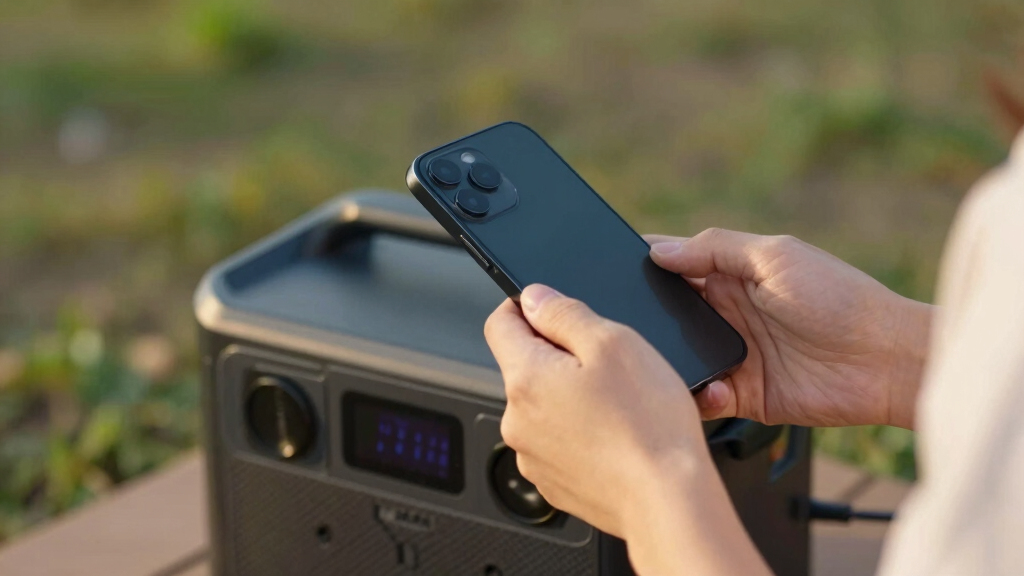

If you’re searching for the top rated portable power stations, you want options that combine power, portability, and durability. The Anker SOLIX C300 stands out as a versatile all-rounder, offering solid capacity for outdoor adventures. For those needing maximum energy, the BLUETTI Elite 100 V2 provides high wattage and large capacity, ideal for longer trips or backup power. Meanwhile, the Jackery Explorer 1000 v2 balances size and power, making it a popular choice for many users. The main tradeoffs involve balancing size, weight, and price against power output and feature set. Keep reading for a full breakdown of these options and how they compare to help you make the best choice for your needs.

Get kitchen staples and gadgets delivered free with Prime
- Fast, free delivery on millions of items
- Prime Video, Amazon Music and more included
- Member-only deals all year
Complete the kit


Key Takeaways
- Large capacity models like the BLUETTI Elite 100 V2 are best for extended outdoor stays or backup home power, but they tend to be heavier and more expensive.
- The Anker SOLIX series offers a good balance of portability and power, making them ideal for spontaneous trips or emergency kits.
- High-wattage units such as the Jackery Explorer 1000 v2 can run multiple devices simultaneously but may be bulky for frequent portability.
- Battery chemistry impacts longevity and safety—LFP (Lithium Iron Phosphate) batteries generally last longer and offer increased thermal stability.
- Price varies significantly based on capacity, features, and brand reputation—investing in a slightly more expensive model can pay off in durability and performance.
| Anker SOLIX C300 Portable Power Station, 288Wh Solar Generator for Camping |  | Best Overall for Versatility and Long-Term Durability | Capacity: 288Wh | Power Output: 300W (600W surge) | Charging Ports: 3x AC, 2x USB-C, 1x USB-A, car socket | VIEW LATEST PRICE | See Our Full Breakdown |
| BLUETTI Elite 100 V2 Portable Power Station for Camping 1024Wh 1800W |  | Best Value for Large Capacity and Power | Wattage: 1800W | Battery Capacity: 1024Wh | Charging Time: 45 minutes to 80% | VIEW LATEST PRICE | See Our Full Breakdown |
| Jackery Explorer 1000 v2 Portable Power Station, 1070Wh, 1500W |  | Best for Long-Term Use with Long Lifespan | Wattage: 1500W | Capacity: 1070Wh | Fast Charging: 1 hour | VIEW LATEST PRICE | See Our Full Breakdown |
| BLUETTI Elite 30 V2 Portable Power Station 288Wh 600W LFP Solar Generator |  | Best Lightweight for Emergency and Outdoor Power | Capacity: 288Wh | Weight: 9.4 lbs | Continuous Power: 600W | VIEW LATEST PRICE | See Our Full Breakdown |
| EF ECOFLOW Delta 3 Portable Power Station, 1024Wh, 1800W |  | Best for High Power and Expandability | Capacity: 1024Wh | Max Power: 1800W | Charge Time: 56 minutes | VIEW LATEST PRICE | See Our Full Breakdown |
| DaranEner Portable Power Station 192Wh LiFePO4 Battery Backup Solar Generator with 2 300W AC Outlets and USB-C PD 60W |  | Best Compact and Lightweight Power Solution | Capacity: 192Wh | AC Output: 2× 300W (Peak 600W) | USB-C PD: 60W | VIEW LATEST PRICE | See Our Full Breakdown |
| Anker SOLIX S2000 Portable Power Station, 2010Wh, 3000W Peak |  | Best for Home Backup and Extended Outdoor Use | Capacity: 2010Wh | Peak Power: 3000W | Continuous Power: 1500W | VIEW LATEST PRICE | See Our Full Breakdown |
| BLUETTI AC180 Portable Power Station 1152Wh 1800W LiFePO4 Solar Generator |  | Best Fast-Charging and Versatile Power Output | Battery Capacity: 1152Wh | Maximum Output: 1800W (upgradable to 2700W) | Charge Time: 1 hour (AC), 2.8-3.3 hours (solar) | VIEW LATEST PRICE | See Our Full Breakdown |
| Jackery Explorer 300 Portable Power Station, 292Wh |  | Best Lightweight and Versatile for Camping | Weight: 7.5 lbs | Capacity: 292Wh | Outlets: 2 AC, 1 USB-C PD, 2 USB-A, 1 car port | VIEW LATEST PRICE | See Our Full Breakdown |
| Anker SOLIX C300 DC Portable Power Station, 288Wh, 300W, Outdoor Camping |  | Best for Compact Outdoor Power | Capacity: 288Wh | Power Output: 300W | USB-C Ports: 3 (140W, 100W, 15W) | VIEW LATEST PRICE | See Our Full Breakdown |
| top rated portable power station | Capacity | Battery Type | Weight |
|---|---|---|---|
| Anker SOLIX C300 Portable Powe | 288Wh | LiFePO4 | — |
| BLUETTI Elite 100 V2 Portable | — | LiFePO₄ | 25 pounds |
| Jackery Explorer 1000 v2 Porta | 1070Wh | LFP | 23.8 pounds |
| BLUETTI Elite 30 V2 Portable P | 288Wh | — | 9.4 lbs |
| EF ECOFLOW Delta 3 Portable Po | 1024Wh | — | approx. 30 pounds |
| DaranEner Portable Power Stati | 192Wh | LiFePO4 | 5.73 lbs |
| Anker SOLIX S2000 Portable Pow | 2010Wh | LiFePO4 | — |
| BLUETTI AC180 Portable Power S | — | — | — |
| Jackery Explorer 300 Portable | 292Wh | — | 7.5 lbs |
| Anker SOLIX C300 DC Portable P | 288Wh | LiFePO4 | — |
More Details on Our Top Picks
Anker SOLIX C300 Portable Power Station, 288Wh Solar Generator for Camping
This model stands out for its balanced combination of capacity, portability, and fast recharging, making it ideal for outdoor enthusiasts who need reliable power on the go. Compared to the BLUETTI Elite 30 V2, the SOLIX C300 offers a more compact design, though it sacrifices some expandability and raw power. Its LiFePO4 batteries provide a long cycle life of 3,000 cycles, surpassing many competitors, but the need to purchase a separate shoulder strap can be inconvenient. This station is perfect for campers and outdoor adventurers who prioritize lightweight gear and quick solar recharging, but less so for users needing higher wattage or full solar compatibility with all panels.
Pros:- Compact and lightweight design for easy portability
- Multiple charging options including USB-C and AC outlets
- Fast recharging via wall or solar panels
Cons:- Shoulder strap sold separately, adding extra cost
- Limited compatibility with some solar panels
Best for: Campers and outdoor enthusiasts seeking a portable, durable, and quick-recharge power source
Not ideal for: Users requiring high wattage for large appliances or those wanting integrated solar compatibility without extra accessories
- Capacity:288Wh
- Power Output:300W (600W surge)
- Charging Ports:3x AC, 2x USB-C, 1x USB-A, car socket
- Recharging Time:80% in 50 minutes
- Battery Type:LiFePO4
- Cycle Life:3,000 cycles
Our verdict“This power station is best suited for campers who need a lightweight, reliable power source with fast solar recharging capabilities.”
BLUETTI Elite 100 V2 Portable Power Station for Camping 1024Wh 1800W
Compared with the Jackery Explorer 1000 v2, the BLUETTI Elite 100 V2 offers nearly double the capacity and a higher surge wattage, making it better suited for running multiple appliances simultaneously. Its 1024Wh battery and 1800W continuous output make it a strong choice for emergency backup and off-grid living, though it weighs 25 pounds, which may be heavy for some users. The fast charging in around 70 minutes is a notable advantage, but the price point isn’t specified, which could be a consideration for budget-conscious buyers. This station appeals to those who need significant power but are willing to carry a bit more weight for extended use.
Pros:- High capacity of 1024Wh for extended use
- Fast charging within about 70 minutes
- Multiple ports and smart app control for remote management
Cons:- Relatively heavy at 25 pounds
- Price details are not provided, which may affect affordability
Best for: Homeowners and campers needing high capacity and reliable power for multiple devices
Not ideal for: Lightweight backpackers or users seeking ultra-portable options with minimal weight
- Wattage:1800W
- Battery Capacity:1024Wh
- Charging Time:45 minutes to 80%
- Battery Type:LiFePO₄
- Surge Power:3600W
- Weight:25 pounds
Our verdict“This power station is ideal for users who prioritize capacity and power output over portability for off-grid or backup needs.”
Jackery Explorer 1000 v2 Portable Power Station, 1070Wh, 1500W
The Jackery Explorer 1000 v2 excels for those seeking a durable, long-lasting power station with a sizable 1070Wh capacity and a 1500W rated output. Its long lifespan, over 10 years, sets it apart from many competitors, especially the Anker SOLIX C300. While its runtime of approximately 42 minutes may limit continuous use, the fast charging feature can bring it back to full capacity quickly. However, it requires a compatible solar panel for solar recharge, which adds to the initial setup. This makes it a good fit for users who want longevity and reliable power for camping or emergency backup but are okay with a shorter runtime per charge.
Pros:- Long-lasting LFP battery with over 10 years lifespan
- Fast charging in about 1 hour
- Lightweight and portable with foldable handle
Cons:- Requires compatible solar panels (not included)
- Runtime of only 42 minutes may be limiting for extended use
Best for: Campers and emergency prepper who want a durable power station with a long lifespan and quick recharge
Not ideal for: Users needing extended runtime without frequent recharging or those seeking a lower-cost, lightweight option
- Wattage:1500W
- Capacity:1070Wh
- Fast Charging:1 hour
- Battery Type:LFP
- Battery Cycles:Over 10,000
- Weight:23.8 pounds
Our verdict“This station is best for users valuing long-term durability and quick recharge cycles over extended runtime per charge.”
BLUETTI Elite 30 V2 Portable Power Station 288Wh 600W LFP Solar Generator
The BLUETTI Elite 30 V2 stands out for its ultra-lightweight design at just 9.4 pounds, making it perfect for outdoor activities and quick emergencies. Its 288Wh capacity and 600W continuous output are sufficient for small devices and essential electronics, especially when paired with compatible solar panels. Its support for multiple charging modes—including solar, wall, and car—along with a reliable UPS function, offers peace of mind during outages. Compared to larger units like the EcoFlow Delta 3, it’s less capable for powering multiple appliances but excels in portability. This makes it suitable for lightweight backpackers or emergency kits, though it may fall short for prolonged use or high-power needs.
Pros:- Extremely lightweight at 9.4 lbs
- Supports multiple charging modes including solar and wall
- Reliable UPS feature for power outage protection
Cons:- Limited capacity for extended use
- Requires compatible solar panels for solar charging
Best for: Hikers, backpackers, and emergency kits needing a lightweight, portable power source for small devices
Not ideal for: People wanting to power large appliances or needing extended runtime for multiple devices
- Capacity:288Wh
- Weight:9.4 lbs
- Continuous Power:600W
- Surge Power:1500W
- Charging Modes:AC, solar, car
- Fast Wall Charge:380W/200W adjustable
Our verdict“This power station is an excellent choice for lightweight outdoor use and emergency power for small devices, but not for high-power or long-duration needs.”
EF ECOFLOW Delta 3 Portable Power Station, 1024Wh, 1800W
The EcoFlow Delta 3 combines high capacity with impressive power output, making it suitable for powering multiple appliances simultaneously, including sensitive electronics. Its 1024Wh capacity and 1800W max power are comparable to the BLUETTI Elite 100 V2, but with the added benefit of expandable battery options, up to 5kWh, for longer use. Its fast charging in just 56 minutes minimizes downtime, and its IP65 rating offers good protection against dust and splashes. However, the relatively high weight and the lack of included solar panels might be hurdles for some. This station is well-suited for serious campers, small business needs, or emergency preparedness, where high power and expandability are priorities.
Pros:- Fast charging within 56 minutes
- Expandable capacity up to 5kWh
- Robust IP65 protection and multiple outlet options
Cons:- Heavy for portable use
- Higher cost and potentially more complex setup
Best for: Homeowners and professionals needing a reliable, expandable power solution for multiple devices
Not ideal for: Lightweight backpackers or those seeking a low-cost, ultra-portable option
- Capacity:1024Wh
- Max Power:1800W
- Charge Time:56 minutes
- Protection Rating:IP65
- Expansion Capacity:up to 5kWh
- Weight:approx. 30 pounds
Our verdict“This station is best for users who need high power, expandability, and durability for home backup or on-site work, not for ultra-lightweight portability.”
DaranEner Portable Power Station 192Wh LiFePO4 Battery Backup Solar Generator with 2 300W AC Outlets and USB-C PD 60W
This DaranEner model stands out for its lightweight design and long cycle life, making it ideal for outdoor activities where portability is key. Its 192Wh LiFePO4 battery provides enough capacity for essential devices but falls short for high-power appliances compared to larger options like the BLUETTI AC180. The inclusion of multiple charging methods, including solar, enhances its versatility, though the solar input is limited to 60W, which prolongs recharge times. The built-in LED flashlight adds convenience, especially in emergencies. Compared to the Jackery Explorer 300, it offers a more durable battery chemistry but less overall capacity. This pick makes the most sense for travelers needing a reliable backup that’s easy to carry.
Pros:- Long-lasting LiFePO4 battery with over 3500 cycles
- Multiple charging options including solar and car
- Lightweight and compact design for easy portability
- Built-in LED flashlight with SOS mode
Cons:- Limited to 300W output, unsuitable for high-power devices
- Solar panel and car charging cables not included
- Max solar input of only 60W slows recharging
Best for: Hikers, campers, or emergency kits where portability and long cycle life are priorities.
Not ideal for: Users needing to run high-wattage appliances or longer backup durations, as it’s limited to 300W output.
- Capacity:192Wh
- AC Output:2× 300W (Peak 600W)
- USB-C PD:60W
- Battery Type:LiFePO4
- Cycle Life:3500+ cycles
- Weight:5.73 lbs
Our verdict“This option is ideal for outdoor enthusiasts and emergency preppers seeking a durable, portable power source for essential devices.”
Anker SOLIX S2000 Portable Power Station, 2010Wh, 3000W Peak
The Anker SOLIX S2000 offers a substantial 2010Wh capacity and a peak output of 3000W, making it a top choice for powering larger appliances during outages or remote trips. Its LiFePO4 battery promises a lifespan of over 10,000 cycles, far exceeding most competitors like the Jackery Explorer 300 or the smaller BLUETTI AC180. Its relatively compact size of 8.2 x 11.1 x 12.7 inches and weight of 35.7 lbs balance portability with power. The multiple recharging options, including solar support up to 400W, allow flexible recharging, though its size may be less suitable for very tight space constraints. This model excels in providing reliable, high-capacity backup but may be overkill for casual camping or single-device charging.
Pros:- Long-lasting battery with 10,000 cycles and 15-year lifespan
- High continuous (1500W) and peak (3000W) power output
- Multiple recharging options including solar, AC, and car
- Relatively compact for its capacity
Cons:- No dedicated 12V DC port for some devices
- Weight and size make it less portable for backpacking
- Higher price point compared to smaller units
Best for: Homeowners seeking a robust backup system or outdoor enthusiasts needing high power capacity.
Not ideal for: Travelers requiring ultra-lightweight gear due to its weight and size, or users with limited solar access.
- Capacity:2010Wh
- Peak Power:3000W
- Continuous Power:1500W
- Battery Type:LiFePO4
- Cycle Life:10,000 cycles
- Dimensions:8.2 x 11.1 x 12.7 inches
Our verdict“This model suits those needing substantial power and durability for home backup or extended outdoor use, accepting some portability tradeoff.”
BLUETTI AC180 Portable Power Station 1152Wh 1800W LiFePO4 Solar Generator
The BLUETTI AC180 stands out for its rapid 1-hour recharge capability and up to 2700W output, making it highly adaptable for both emergency power and outdoor adventures. Its 1152Wh capacity suits most camping needs and complements the fast solar recharge in just over 3 hours. The ability to upgrade its power output via an app adds flexibility, though the weight of around 38 lbs makes it less ideal for frequent carrying. Compared to the Jackery Explorer 300, it offers significantly higher capacity and faster recharge times, but at a higher price point. Its multiple outlets and accessories cater to diverse power needs, especially when quick recharging is essential.
Pros:- Fast 1-hour charging time for full capacity
- High maximum output up to 2700W with boost
- Supports multiple outlets and accessories
- Upgradable power output via app
Cons:- Relatively heavy and less portable
- Higher price compared to smaller units
- Limited solar input capacity of 500W
Best for: Campers, outdoor adventurers, or emergency planners who prioritize rapid recharge and high output.
Not ideal for: Lightweight travelers or those requiring a very compact device, due to its heavier build.
- Battery Capacity:1152Wh
- Maximum Output:1800W (upgradable to 2700W)
- Charge Time:1 hour (AC), 2.8-3.3 hours (solar)
- Number of Outlets:8
- Solar Input:500W
Our verdict“This generator makes the most sense for users who need quick recharge and high power for outdoor or emergency scenarios, accepting its size and cost.”
Jackery Explorer 300 Portable Power Station, 292Wh
The Jackery Explorer 300 offers a balanced combination of portability and capacity, tipping the scales at just 7.5 lbs and providing 292Wh for on-the-go power. Its LiFePO4 chemistry ensures over 4,000 charge cycles, making it a reliable long-term companion. While its capacity is limited compared to larger models like the Anker S2000 or BLUETTI AC180, it supports fast solar charging and features multiple outlets including USB-C, USB-A, and a car port, making it versatile for camping, off-grid living, or shorter outages. Its lightweight build makes it ideal for backpackers but less suited for powering larger appliances or longer-term backup needs. Compared to the Anker S2000, it sacrifices capacity for portability, making it perfect for lighter use.
Pros:- Very lightweight and portable
- Over 4,000 charge cycles with LiFePO4 chemistry
- Supports fast solar charging
- Multiple versatile outlets
Cons:- Limited to 292Wh capacity, not for large appliances
- Solar panel not included in the package
- Requires physical address for delivery
Best for: Campers, hikers, or anyone needing a portable power station that’s easy to carry and set up.
Not ideal for: Home backup or powering high-wattage appliances, due to its limited capacity and output.
- Weight:7.5 lbs
- Capacity:292Wh
- Outlets:2 AC, 1 USB-C PD, 2 USB-A, 1 car port
- Rated Power:300W
- Charge Cycles:over 4,000
- Solar Charging Time:80% in 2.8 hours with 100W panel
Our verdict“This power station is ideal for outdoor and travel use where portability and convenience are more important than high capacity.”
Anker SOLIX C300 DC Portable Power Station, 288Wh, 300W, Outdoor Camping
The Anker SOLIX C300 offers a compact 288Wh capacity combined with a 300W output, making it a strong contender for outdoor camping and travel where space and weight matter. Its 3 fast-charging USB-C ports, including a high-wower 140W port, and two USB-A ports provide versatile options for charging multiple devices at once. The durable LiFePO4 battery ensures safety and over 3 years of warranty, while its small footprint—roughly 30% smaller than similar stations—fits well into backpacks or small setups. However, solar compatibility is limited to specific panels, and its initial activation requires specific chargers, which could be inconvenient. Compared to larger models like the BLUETTI AC180, it sacrifices capacity for portability, making it suitable for shorter outdoor excursions.
Pros:- High-capacity 288Wh battery for extended outdoor use
- Multiple fast-charging USB-C ports
- Compact, lightweight design
- Durable LiFePO4 chemistry
Cons:- Limited solar compatibility with specific panels
- Requires specific chargers for initial setup
- Shoulder strap sold separately
Best for: Outdoor enthusiasts and travelers seeking a durable, portable power source for multiple small devices.
Not ideal for: Users needing to power larger appliances or requiring very high capacity for extended use.
- Capacity:288Wh
- Power Output:300W
- USB-C Ports:3 (140W, 100W, 15W)
- Battery Type:LiFePO4
- Dimensions:30% smaller than similar units
- Recharging Options:USB-C, solar panel, car
Our verdict“This power station is perfect for outdoor travelers who need reliable, portable charging for multiple devices without excess bulk.”

How We Picked
In selecting these top rated portable power stations, I prioritized performance, build quality, and versatility. Key criteria included battery capacity, wattage output, charging options, portability, and durability. I also considered user reviews and brand reputation to identify products that balance quality and value. The ranking reflects a combination of power-to-weight ratio, feature set, and overall reliability, aiming to match various buyer needs—from casual campers to serious outdoor enthusiasts. Tradeoffs such as size, weight, and price were carefully evaluated to highlight the best options for different priorities.| top rated portable power station | Battery Type |
|---|---|
| Anker SOLIX C300 Portable Powe | LiFePO4 |
| BLUETTI Elite 100 V2 Portable | LiFePO₄ |
| Jackery Explorer 1000 v2 Porta | LFP |
| BLUETTI Elite 30 V2 Portable P | — |
| EF ECOFLOW Delta 3 Portable Po | — |
| DaranEner Portable Power Stati | LiFePO4 |
| Anker SOLIX S2000 Portable Pow | LiFePO4 |
| BLUETTI AC180 Portable Power S | — |
| Jackery Explorer 300 Portable | — |
| Anker SOLIX C300 DC Portable P | LiFePO4 |
Factors to Consider When Choosing Top Rated Portable Power Stations
Choosing the right portable power station involves understanding several factors that influence usability, longevity, and value. It’s not just about capacity; you’ll want to consider how you’ll use the station, where you’ll store it, and what devices need power. Making an informed decision helps prevent overspending on unnecessary features or ending up with a unit that doesn’t meet your needs.Capacity and Power Output
Capacity, measured in watt-hours (Wh), determines how long your devices can run. Higher capacity models like the BLUETTI Elite 100 V2 are suited for powering larger appliances or multiple devices for extended periods. Power output, rated in watts, indicates the maximum load your station can handle—look for at least 1000W if you plan to run power-hungry devices like refrigerators or power tools. Balancing capacity and wattage is key; a high-capacity unit with insufficient wattage may not meet your needs, while a powerful unit with low capacity limits runtime.
Port Selection and Charging Options
Multiple output ports—AC outlets, USB-C, USB-A, and DC—expand flexibility. Consider your typical device mix to ensure the station can handle all your gear simultaneously. Charging methods are equally important; solar compatibility, car charging, and wall outlets provide versatile recharging options. For outdoor use, solar input can be a game-changer, but verify the wattage and compatibility to avoid slow or unreliable recharging. Having a variety of ports and charging options reduces the need for adapters and enhances convenience.
Size, Weight, and Portability
Size and weight directly impact how easily you can carry your power station, especially for camping or emergency use. Compact models like the Jackery Explorer 300 are lightweight and easy to transport but offer less capacity. Larger units like the BLUETTI Elite 100 V2 provide more power but are bulkier, making them less suitable for frequent movement. Consider whether you’ll need to carry your station over long distances or keep it stationary—this influences the ideal balance of size and performance.
Battery Chemistry and Longevity
The type of battery inside affects lifespan, safety, and charging cycles. Lithium Iron Phosphate (LFP) batteries, found in models like the BLUETTI AC180, typically last longer (over 2000 cycles) and are more thermally stable. This makes them a smarter choice for long-term investment, especially if you plan to use your station regularly or as a backup power source. Conversely, traditional lithium-ion batteries may degrade faster but are often lighter and less expensive upfront.
Price and Value
While high-capacity, feature-rich power stations cost more, they often provide better durability and flexibility. However, for occasional use or light trips, more affordable models like the Jackery Explorer 300 can suffice. Focus on your actual power needs and usage frequency; overspending on a premium unit may not be necessary if your demands are modest. Conversely, skipping features like solar input or high wattage can limit your station’s usefulness in real-world scenarios.
Frequently Asked Questions
Can I run my refrigerator with a portable power station?
Running a refrigerator depends on its wattage and the power station’s capacity. Many small to medium-sized refrigerators require 100-200W when running, but startup surges can be higher. Units rated at 1000W or more, such as the Jackery Explorer 1000 v2, are better suited for this task. Always check your refrigerator’s wattage and ensure your power station can handle the initial surge, not just the continuous load. Using a power station with a pure sine wave inverter also helps protect sensitive appliances like refrigerators.
How long will a portable power station last during a camping trip?
The runtime depends on both the capacity of the power station and the power draw of your devices. For example, a 1000Wh station powering a 50W device could run for approximately 20 hours. Larger units like the BLUETTI Elite 100 V2, with over 1000Wh, extend this further, making them suitable for multi-day trips. Keep in mind that running multiple devices simultaneously will reduce overall runtime. Planning based on your total wattage needs and considering solar recharging options can help extend your usage comfortably.
Is it safe to leave a portable power station plugged in all the time?
Most modern power stations with built-in protections are designed for repeated charging cycles and can be left plugged in safely, especially if they include overcharge protection. However, continuous charging may slightly reduce battery lifespan over many years. It’s generally better to recharge only when needed and store the unit in a cool, dry place if not in use. Regularly check the device for any signs of overheating or damage, particularly if used in hot environments.
What’s the difference between lithium-ion and LFP batteries in power stations?
LFP (Lithium Iron Phosphate) batteries offer a longer lifespan, often exceeding 2000 charge cycles, and are more thermally stable, making them safer for long-term use. They also tend to handle deeper discharges without degrading performance. Lithium-ion batteries, while lighter and less expensive initially, typically last around 500-1000 cycles and may degrade faster over time. Choosing an LFP-powered station ensures better durability and safety, especially if you plan frequent or prolonged use.
Should I buy a solar-compatible power station?
Solar compatibility adds significant flexibility, allowing you to recharge your station with renewable energy, especially in remote locations or during extended power outages. Ensure the station explicitly supports solar input and check the input wattage—higher wattage inputs recharge faster. Keep in mind that solar panels vary in efficiency, and recharging times can be lengthy depending on sunlight conditions. Investing in a solar-ready model can be a smart choice if you prioritize eco-friendliness or plan to use your station off-grid for extended periods.
Conclusion
For most users, the Jackery Explorer 1000 v2 offers the best balance of power, portability, and price, making it ideal for outdoor enthusiasts and backup power. The BLUETTI Elite 100 V2 makes sense for those needing maximum capacity and long-term reliability, suitable for serious campers or emergency preparedness. Beginners or those with modest needs should consider the Jackery Explorer 300, which provides sufficient power without complexity. For high-demand applications, the Anker SOLIX S2000 stands out for its impressive wattage and capacity, justifying its premium price. Ultimately, your choice should reflect your specific power requirements, budget, and usage scenarios.