Pre-cut vegetables offer a quick and convenient way to save time, especially on busy nights, since they’re already washed, peeled, and chopped. However, they typically cost more and may lose some nutrients over time compared to whole veggies, which last longer and are more budget-friendly. If you want to weigh ease against cost and freshness, there’s more to contemplate—keep exploring to find what works best for your kitchen.
Key Takeaways
- Pre-cut vegetables save time and reduce prep work, ideal for busy schedules and quick meal assembly.
- Whole vegetables are more economical and offer longer storage, providing cost savings and greater flexibility.
- Freshness and nutrient retention are better maintained when preparing vegetables just before eating.
- Pre-cut options may experience some nutrient loss during processing and storage.
- Choosing between them depends on lifestyle priorities: convenience versus budget and maximum freshness.

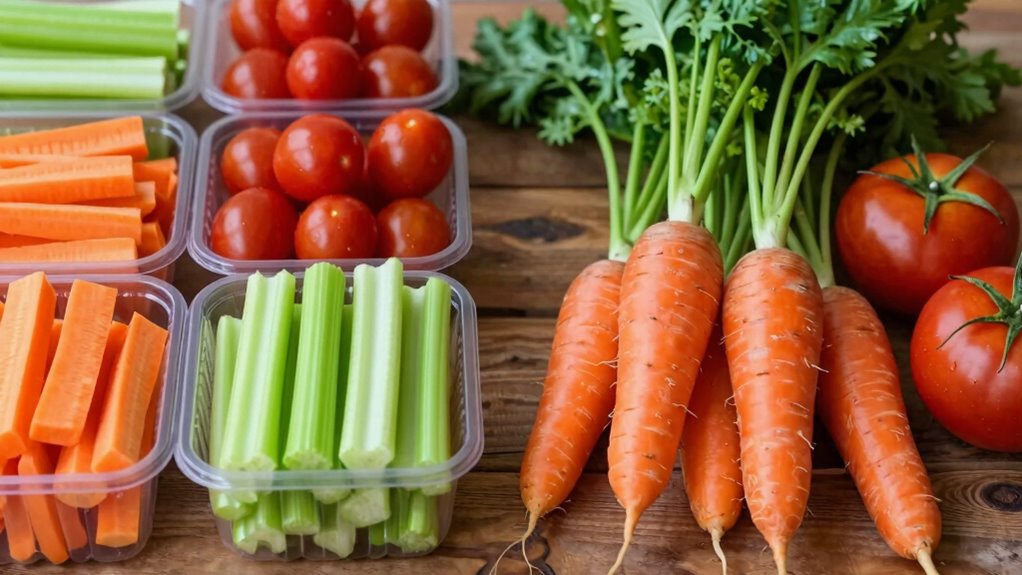
When choosing between pre-cut and whole vegetables, it’s important to contemplate convenience, cost, and freshness. If you’re someone who values quick meal prep, pre-cut vegetables can be a real time-saver. They’re already washed, peeled, and chopped, so you can toss them directly into your skillet or salad without extra prep work. This ease makes it easier to stick to healthy eating habits, especially on busy weeknights when time is limited. However, while pre-cut options save time, they often come with a slightly higher price tag compared to whole vegetables. It’s worth considering whether the added convenience justifies the extra expense, especially if you’re on a tight budget.
When it comes to nutritional value, many people assume that pre-cut vegetables are less healthy than whole ones, but that’s not necessarily true. Fresh, pre-cut veggies can retain most of their vitamins and minerals if stored and handled properly. Still, they are more susceptible to nutrient loss over time due to exposure to air and light during processing and packaging. If you want to maximize nutrients, buying whole vegetables and preparing them yourself typically offers better control over freshness. Cutting vegetables just before cooking or eating ensures you’re consuming a higher concentration of vitamins and antioxidants, which can degrade when exposed to air for extended periods. Nutrient retention is optimized when vegetables are prepared close to the time of consumption.
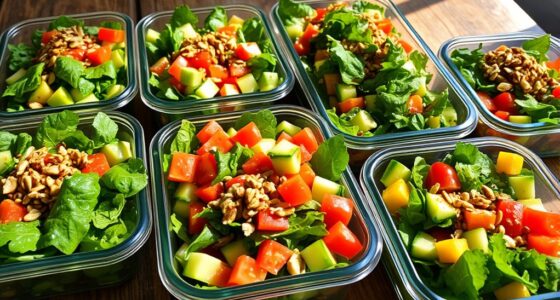
In terms of meal prep, pre-cut vegetables can streamline your process, especially if you prepare meals for the week in advance. Having ready-to-use produce means less chopping and less cleanup, making it easier to assemble nutritious meals quickly. This can encourage healthier choices because you’re less likely to reach for fast, processed foods when your ingredients are readily available. Conversely, choosing whole vegetables might require more time upfront but allows you to select the freshest produce, reducing the risk of spoilage and waste. If you prefer to buy in bulk, whole vegetables can be stored longer and used as needed, providing more flexibility in meal planning.
Ultimately, whether pre-cut or whole vegetables are better for you depends on your lifestyle and priorities. If convenience and speed are top concerns, pre-cut vegetables are a smart choice, especially for meal prep. However, if you’re focused on maximizing nutritional value and reducing costs, buying whole vegetables and preparing them yourself might be the better route. Both options have their merits, but understanding your habits and goals will help you make the most informed decision for your diet.
Frequently Asked Questions
Do Pre-Cut Vegetables Taste as Fresh as Whole Ones?
Pre-cut vegetables usually don’t taste as fresh as whole ones because they’re often processed and stored longer, which affects flavor retention. You might notice a slight difference in freshness, with pre-cut options sometimes losing their crispness and vibrant flavor. However, if you prioritize convenience, pre-cut veggies still offer decent taste and are a quick way to add nutritious ingredients to your meals. Just try to use them soon after purchase for the best flavor.
How Long Do Pre-Cut Veggies Last Compared to Whole Vegetables?
Pre-cut veggies typically last 3-7 days longer than whole vegetables when stored properly. You should keep them in airtight packaging made of materials like plastic or vacuum-sealed bags, stored in the refrigerator’s crisper drawer. Whole vegetables usually last 1-2 weeks, depending on the type. Proper storage methods, like keeping produce dry and at the right temperature, help extend their freshness and prevent spoilage.
Are Pre-Cut Vegetables More Nutritious Than Whole Vegetables?
Pre-cut vegetables typically retain about 80-90% of their nutritional value, but processing can slightly reduce some vitamins, especially vitamin C. While whole veggies often have a slight edge in nutrient preservation, the convenience of pre-cut options encourages increased vegetable intake. So, if you’re short on time, pre-cut veggies still offer significant nutritional benefits, making them a smart choice without sacrificing too much nutrition.
What Are the Cost Differences Between Pre-Cut and Whole Veggies?
You’ll notice that pre-cut vegetables generally cost more than whole ones due to added labor and packaging, influenced by pricing strategies. Your shopping habits also play a role; buying in bulk or during sales can reduce costs. While pre-cut options save time, they tend to be pricier per serving. If saving money is your priority, opting for whole veggies and prepping yourself is usually more economical.
Do Pre-Cut Vegetables Contain Added Preservatives or Chemicals?
Pre-cut vegetables usually don’t contain added preservatives or chemical additives, so you can enjoy their convenience without a chemical cocktail. However, some might have a light coating to prevent spoilage, which could include preservatives. Always check labels if you’re concerned about preservative concerns, and opt for products with minimal ingredients. Think of pre-cut veggies as a well-organized toolbox—ready to use, just like fresh, whole produce, with potential for added safeguards.
Conclusion
Choosing between pre-cut and whole veggies is like deciding whether to carry a ready-made map or trust your own compass. Pre-cut veggies offer quick convenience, but whole ones invite you to the journey of preparation and discovery. In the end, the choice reflects your own path—whether you value the ease of a shortcut or the adventure of creating something fresh. Whichever you pick, remember, the destination is a healthier, more vibrant you.