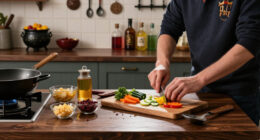
To speed up cooking with microwave hacks, start by reheating leftovers on medium power, stirring or flipping midway for even warmth, and covering dishes to trap moisture. Use high power for steaming vegetables in short bursts, and employ defrost or melting settings for butter, chocolate, or frozen items. Poking holes in covers helps steam escape, while using one dish for multiple tasks reduces cleanup. Keep exploring these tips to reveal even faster, more efficient microwave magic.
Listen free for 30 days with Audible
Thousands of audiobooks and originals — cancel anytime.
As an affiliate, we earn on qualifying purchases.
Key Takeaways
- Use short intervals and high power for steaming vegetables and reheating leftovers to save time and ensure even cooking.
- Cover dishes with microwave-safe lids or plastic wrap with vents to retain moisture and reduce cooking time.
- Employ defrost and melt functions for quick softening of ingredients like butter, chocolate, or cream cheese.
- Stir or flip food halfway through cooking to promote uniform heat distribution and reduce reheating time.
- Combine techniques, such as steaming vegetables in a single dish while reheating leftovers, to maximize efficiency and minimize cleanup.
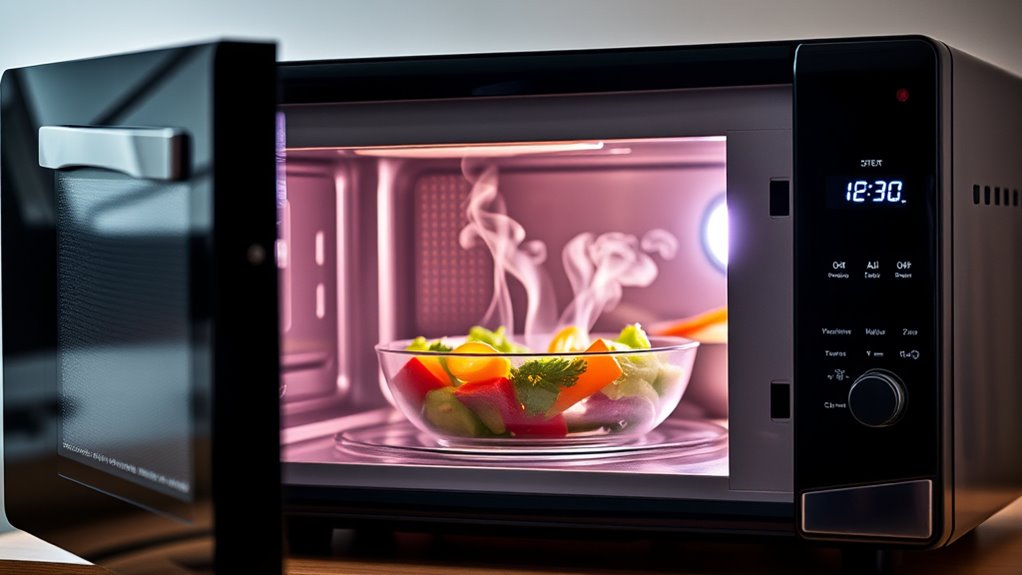
Have you ever wondered how to make your microwave work even smarter? It’s a device that’s already a kitchen essential, but with a few clever hacks, you can maximize its efficiency and versatility. Whether you’re reheating leftovers or steaming vegetables, knowing some microwave tricks can save you time and keep your meals tasting fresh. For reheating leftovers, the key is to use the right power level and technique. Instead of blasting your food at full power, set your microwave to medium or 50% power. This allows the heat to distribute evenly, preventing cold spots and drying out your food. To avoid overheating, stir or flip your leftovers halfway through the process, ensuring consistent warmth throughout. Cover your dish with a microwave-safe lid or microwave-safe plastic wrap, leaving a small vent. This traps moisture, keeps your leftovers moist, and prevents splatters, saving you clean-up time. If you’re reheating something with a crust or bread, place a damp paper towel over it; this helps retain moisture and prevents it from becoming rubbery. Incorporating music therapy principles, such as calming sounds, can also promote a more relaxed cooking experience.
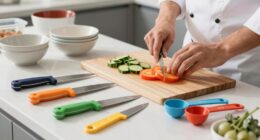
When it comes to steaming vegetables, your microwave can be a fast and nutritious way to prepare them. Start by placing your chopped vegetables in a microwave-safe dish, add a splash of water—just a couple of tablespoons should do—and cover the dish with a microwave-safe lid or plastic wrap. Poke a few small holes in the wrap to allow steam to escape. Set your microwave to high power, and cook the vegetables in short intervals, usually around 2-3 minutes depending on the quantity and type. Check for doneness after each interval; they should be tender yet retain their vibrant color and crunch. Using the microwave for steaming vegetables not only preserves most of their nutrients but also minimizes the cleanup, since you’re using just one dish. For added flavor, toss the veggies with herbs or a squeeze of lemon after steaming.
Another smart hack is to use your microwave’s defrost setting for more than just frozen meat. It works well for softening butter or cream cheese quickly, saving you from waiting hours at room temperature. Just remember to keep an eye on your food to prevent melting or over-softening. Additionally, you can use microwave-safe mugs or bowls to quickly melt chocolate or butter for baking, or to warm up a cup of coffee or tea in seconds. With these simple hacks, your microwave becomes more than just a reheating device; it becomes a versatile tool that speeds up your cooking process while maintaining quality and flavor. Now, with a little know-how, you’ll be surprised at just how much you can do with your microwave to make everyday cooking faster, easier, and smarter.
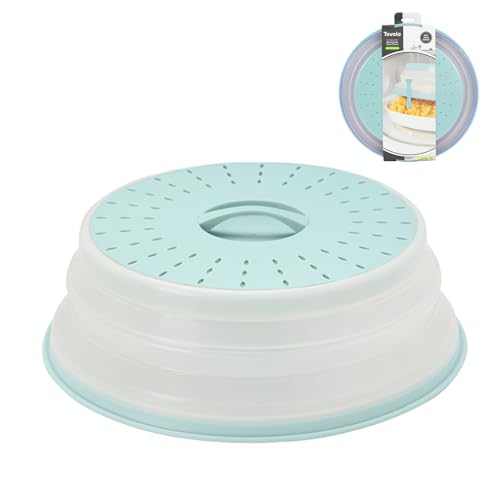
Tovolo Microwave Splatter Cover for Food Medium Blue Haze Dishwasher Safe, Collapsible Reusable Cover for Food in Microwave Uses BPA Free Safe Silicone,10 inch Vented Microwave Cover
- Microwave Splatter Cover: Keeps microwave clean during heating
- Vented Design: Releases steam evenly for safe heating
- Fits Most Plates: Measures 10.5 inches, suitable for standard microwaves
As an affiliate, we earn on qualifying purchases.
As an affiliate, we earn on qualifying purchases.
Frequently Asked Questions
Can Microwaves Be Used for Baking Bread or Cakes?
Yes, you can use your microwave for baking bread and cakes. Microwave baking involves using the microwave’s heat to cook batter quickly, making it ideal for small or instant treats. While it may not give you the same texture as traditional baking, you can still make soft, moist bread and cakes. Just follow specific microwave recipes designed for microwave baking, and you’ll enjoy delicious results in a fraction of the time.
How Do I Prevent Food From Splattering Inside the Microwave?
Did you know that using microwave liners can reduce splatter by up to 80%? To prevent food splattering inside your microwave, cover your dishes with microwave-safe lids or paper towels. For extra protection, place a microwave liner over your food; it traps splatters and makes cleanup easier. Always make certain the cover isn’t too tight to allow steam escape, preventing messes and keeping your microwave clean.
Are There Safety Concerns With Microwave-Reheating Plastic Containers?
You should be cautious with plastic safety when reheating food in plastic containers. Always check container materials for microwave-safe labels, as some plastics release harmful chemicals when heated. Avoid using non-microwave-safe plastics, as they can melt or leach chemicals into your food. To stay safe, opt for glass or microwave-safe plastics, and never reheat foods in containers not explicitly marked as microwave-safe.
What’s the Best Way to Thaw Meat Quickly in a Microwave?
To thaw meat quickly in a microwave, you should use the microwave defrost settings, monitor the process closely, and turn the meat regularly. This guarantees even defrosting, prevents cooking edges, and maintains quality. Always check the meat’s internal temperature afterward, and cook it immediately to prevent bacterial growth. For more tips, explore different meat thawing techniques and how microwave defrost settings can optimize your defrosting process.
How Can I Tell if My Microwave Is Cooking Evenly?
To tell if your microwave is cooking evenly, start by placing a cup of water in the center and run it for a couple of minutes. Check if the water heats uniformly; uneven heating detection indicates calibration issues. If you notice hot spots or cold areas, your microwave might need calibration. Regularly testing helps guarantee your microwave cooks food evenly, preventing undercooked or overheated spots.

Cuisinart CTG-00-MST Microwave Steamer
- Quick healthy meals: Microwave steamer for fast, healthy cooking
- Easy to use: Add water and place food on tray
- Versatile cooking: Cooks vegetables, fish, poultry
As an affiliate, we earn on qualifying purchases.
As an affiliate, we earn on qualifying purchases.
Conclusion
Don’t let doubts hold you back—microwaves are truly versatile and can save you time in the kitchen. With these simple hacks, you’ll wonder how you ever cooked without them. Sure, some think microwaves can’t do more than heat leftovers, but with a little creativity, you’ll see they’re perfect for quick snacks, melting, and even cooking entire meals. Embrace these tips and make your kitchen routine faster and easier starting today!
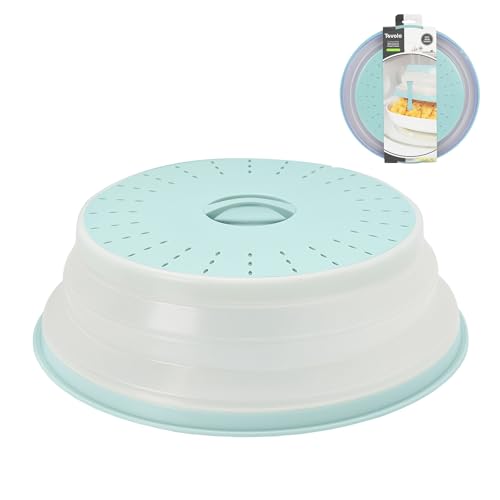
Tovolo Large Microwave Splatter Cover Blue Haze 13 inch Collapsible Silicone Splatter Cover for Extra Large Microwaves, Dishwasher Safe Vented Plate Guard BPA Reheating Cover for Food
- Ideal for Extra Large Microwaves: Fits oversized plates and dishes
- Vented Microwave Cover: Releases steam for even heating
- Collapsible for Easy Storage: Pops up and flattens for compact storage
As an affiliate, we earn on qualifying purchases.
As an affiliate, we earn on qualifying purchases.

BLAZIN' THAW Defrosting Tray for Frozen Meat | 16" Family-Size | Aluminium Plate for Thawing Frozen Food | Natural Thawing Process | No Microwaves, No Cold/Warm Water Required |
- Easy Thawing Process: Thaws food naturally and quickly
- Simple Usage: Place food flat on the tray
- Effective Material: Made of premium aluminium for efficient thawing
As an affiliate, we earn on qualifying purchases.
As an affiliate, we earn on qualifying purchases.
Pool season Picks
robotic pool cleaners
As an affiliate, we earn on qualifying purchases.