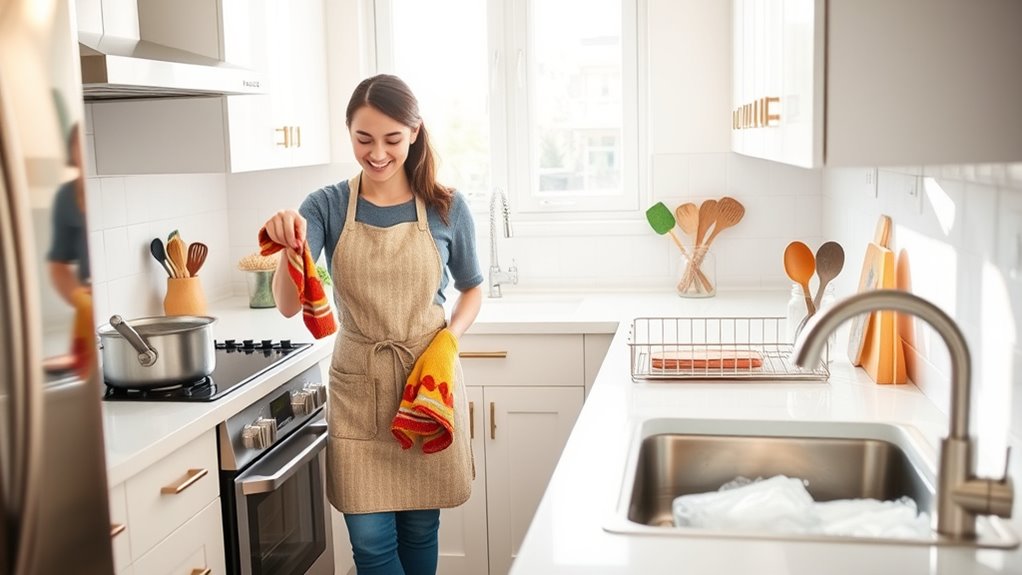

To minimize post-dinner mess, develop habits like rinsing and stacking utensils during cooking breaks, wiping down surfaces as you go, and promptly putting away ingredients and tools. Keep counters clear and organize your workspace to make cleanup easier. Loading dishes into the dishwasher while cooking or using designated containers for utensils helps prevent clutter. If you adopt these routines, cleanup will be faster and less stressful—stay with us to discover more easy tips to keep your kitchen tidy.
Open a free Amazon Business account
Business pricing, bulk buying and tax-exempt orders.
As an affiliate, we earn on qualifying purchases.
Key Takeaways
- Rinse and load dirty utensils into the dishwasher during cooking breaks to prevent buildup.
- Wipe down surfaces immediately after ingredient prep to maintain cleanliness.
- Manage and put away unused ingredients and tools promptly to reduce clutter.
- Tackle small messes right away to avoid larger cleanup later.
- Develop the habit of cleaning as you go to streamline post-dinner cleanup and keep the kitchen organized.
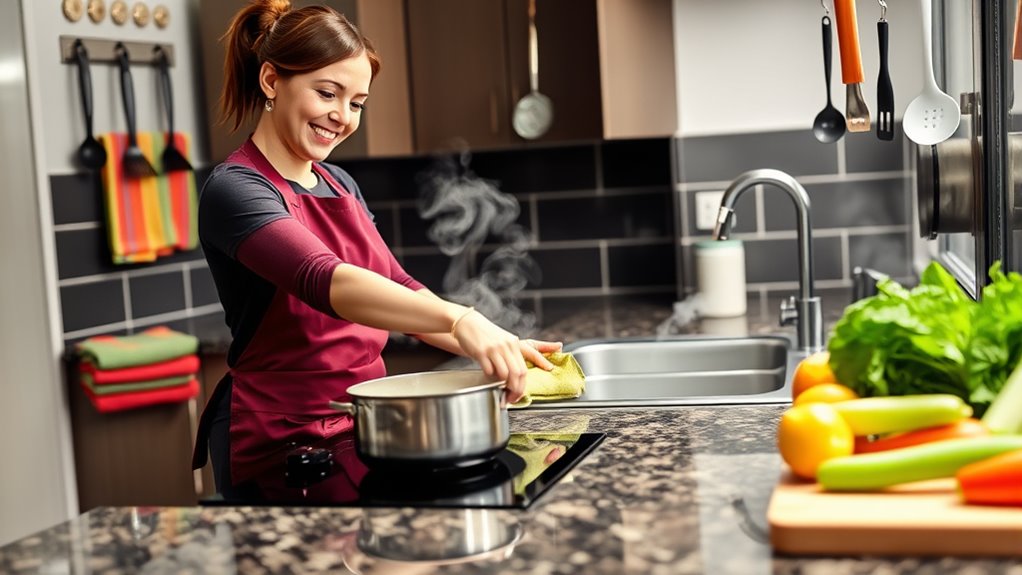
Cleaning as you cook can make the entire kitchen process more efficient and less stressful. When you develop habits that include tidying up during meal prep, you prevent clutter from piling up and create a smoother workflow. One of the first steps is to focus on kitchen organization. Keep your most-used items within easy reach, and designate specific spots for utensils, pots, and ingredients. By maintaining an organized space, you’ll waste less time searching for tools and ingredients, making cooking more enjoyable and less chaotic. Regularly clearing countertops as you go gives your workspace room to work efficiently, helping you stay focused and in control.
Organize your kitchen and clear countertops to cook efficiently and reduce stress.
Utensil management plays a pivotal role in maintaining a tidy kitchen. Instead of leaving utensils scattered across the counter or in a drawer, consider using a utensil holder or a dedicated container nearby. As you use a spoon, spatula, or whisk, promptly wash or put it back in its designated spot. This habit prevents clutter from accumulating and keeps your workspace clear for the next task. When you’re done using a utensil, immediately rinsing it and placing it in the dishwasher or drying rack reduces the need for a big cleanup at the end of your cooking session. This small step keeps your counters clear and makes post-dinner cleanup much more manageable. Additionally, being mindful of your kitchen organization can help streamline your entire cooking process.
In addition to managing utensils, be mindful of your ingredients. Keep your cutting boards, measuring cups, and mixing bowls organized in designated areas, so they’re ready when you need them. As you chop vegetables or prepare ingredients, wipe down surfaces and put away unused items. This not only keeps your workspace tidy but also helps prevent cross-contamination. You can also develop a habit of rinsing and stacking used utensils during cooking breaks, which minimizes the mess left behind and makes the final cleanup quicker.
Another effective habit is to clean as you go by utilizing your sink and dishwasher efficiently. Rinse and load dirty dishes and utensils into the dishwasher during downtime or while waiting for something to cook. This way, by the time dinner is ready, there’s a much smaller pile of dishes to wash. When you stay on top of these small tasks, you prevent the post-dinner mess from becoming overwhelming. Over time, these habits will become second nature, transforming your cooking process into a more organized, less stressful experience. By integrating kitchen organization and utensil management into your routine, you’ll enjoy cooking more and spend less time cleaning afterward.

Large Black Wood Utensil Holder for Kitchen Decor Spoon Spatula Organizer
- Large Capacity: Stores up to 30 utensils
- Versatile Placement: Countertop or wall-mounted
- Easy Wall Mount: Includes hooks, no drilling needed
As an affiliate, we earn on qualifying purchases.
As an affiliate, we earn on qualifying purchases.
Frequently Asked Questions
How Can I Stay Motivated to Clean While Cooking?
Staying motivated to clean while cooking can be tough, but establishing simple routines helps. Use motivational tips like setting small goals, rewarding yourself after tidying, or playing upbeat music to energize you. Incorporate cleaning routines into your cooking process, such as washing dishes or wiping counters between steps. These habits make cleaning feel less overwhelming and keep you motivated, making post-dinner messes much easier to handle.
What Are Quick Cleaning Tools I Should Keep Nearby?
Think of your kitchen as a battlefield where quick tools win the war. Keep handy cleaning gadgets like a small sponge, microfiber cloth, and multi-surface spray. These quick tools turn chaos into calm, helping you wipe spills and tidy as you go. With these essentials within arm’s reach, you stay efficient and motivated, transforming cleaning from a chore into a seamless part of your cooking routine.
How Do I Prevent Spills From Spreading During Cooking?
To prevent spills from spreading while you cook, focus on spill prevention and utensil management. Use a splash guard or cover pots and pans to contain splatters. Keep a damp cloth or paper towels nearby to quickly wipe up any spills before they spread. Manage utensils carefully, placing them on stable surfaces and avoiding overfilling pots. These habits help keep your cooking area cleaner and reduce post-dinner mess.
What’S the Best Way to Clean as I Go Without Interrupting Cooking?
To clean as you go without interrupting your cooking, stay organized by keeping your kitchen tidy and within reach. Wipe down surfaces and wash utensils or bowls you finish using immediately, so clutter doesn’t pile up. Establish a cleaning schedule that breaks tasks into small steps, making it easier to maintain. This way, you stay focused on cooking while minimizing mess, ensuring a smooth, efficient process from start to finish.
How Can I Involve Family Members in Cleaning During Meal Prep?
To involve family members in cleaning during meal prep, assign simple family chores that match their ages and skills. Encourage shared responsibilities by creating a cleaning schedule or turning tasks into a fun game. You can also praise their efforts to motivate ongoing participation. By making cleaning a part of the process, you foster teamwork and ease the workload, ensuring everyone contributes to maintaining a tidy kitchen during meal prep.
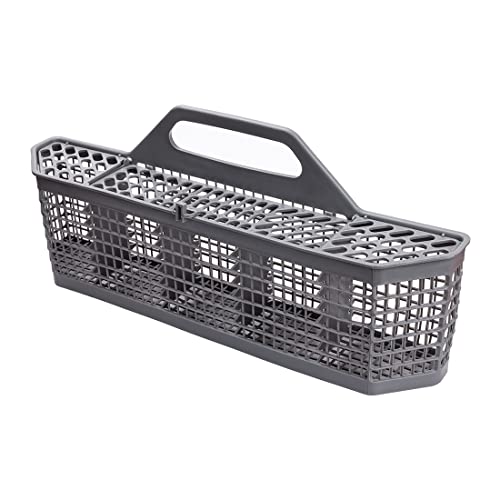
Universal Dishwasher Cutlery Basket Replacement WD28X10128 Dishwasher
- Ample Silverware Storage: Three center and two corner pockets
- Compatibility Reminder: Ensure fit before ordering
- International Product Notice: Sold from abroad, may vary in features
As an affiliate, we earn on qualifying purchases.
As an affiliate, we earn on qualifying purchases.
Conclusion
By cleaning as you cook, you turn a messy kitchen into a serene sanctuary after dinner. It’s like waving a magic wand and banishing chaos instantly. You’ll save hours of scrubbing and sleepless nights wondering how your kitchen got so out of control. Embrace these habits, and watch your post-dinner mess shrink faster than snow in a heatwave. Trust me, your future self will thank you when you walk into a spotless kitchen every night.

method All-Purpose Cleaning Wipes, Pink Grapefruit, 70 Count
- Contains 70 all-purpose wipes: 70 wipes per canister
- Compostable under municipal conditions: Eco-friendly and compostable
- Cuts through grease and grime: Effective cleaning power
As an affiliate, we earn on qualifying purchases.
As an affiliate, we earn on qualifying purchases.
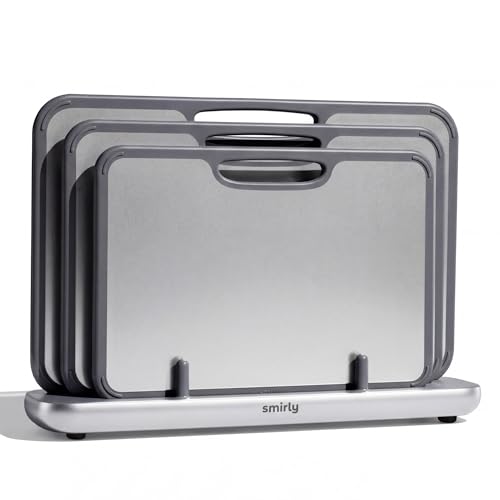
SMIRLY Titanium Cutting Board for Kitchen, with Holder, 3 Pack, Silver
- Material: Food-grade non-toxic titanium
- Hygienic Surface: Non-porous, microplastic-free
- Easy to Clean: Rinses quickly, air dries fast
As an affiliate, we earn on qualifying purchases.
As an affiliate, we earn on qualifying purchases.
College move-in / dorm season Picks
dorm essentials
As an affiliate, we earn on qualifying purchases.