
To host your first holiday dinner stress-free, plan a simple menu focused on a few main dishes and ask guests about allergies or preferences in advance. Arrange a cozy, accessible space with extra seating if needed, and consider adding calming decor. Enlist help from guests or prep ingredients ahead of time to save last-minute stress. Remember, creating a warm, welcoming atmosphere matters more than perfection—continue to explore how to make your gathering memorable.
Key Takeaways
- Plan a simple menu with a few well-prepared dishes, considering guest preferences and dietary restrictions.
- Arrange the dining space to be inviting, accessible, and comfortable, allowing easy movement and interaction.
- Delegate tasks or ask guests to bring dishes to reduce workload and manage time effectively.
- Prepare ingredients and setup in advance, creating a timeline to avoid last-minute stress.
- Focus on creating a warm, relaxed atmosphere with thoughtful decor and calming elements for a memorable experience.
Hosting your first holiday dinner can feel overwhelming, but with some planning, it becomes an enjoyable experience rather than a stressful one. The key is to focus on effective menu planning and guest accommodations. When you start, don’t try to do everything at once. Break the process into manageable steps, beginning with choosing a menu that suits your guests’ preferences and dietary needs. Keep it simple—select a few main dishes, some sides, and a dessert. This allows you to focus on making a few things well instead of juggling too many recipes. Consider asking your guests about any allergies or dietary restrictions ahead of time; this shows thoughtfulness and helps you tailor the menu accordingly.
Once you’ve settled on the menu, think about guest accommodations. This doesn’t just mean where everyone will sit; it also involves planning for comfort and ease. Arrange your dining space so that it’s inviting and accessible. If you have limited seating, consider using additional chairs or even cushions to make everyone comfortable. Think about the flow of the room—make sure guests can move easily and interact comfortably. If some guests are arriving early or staying late, prepare areas where they can relax or chat. Making your space welcoming and accommodating reduces stress and encourages a warm, festive atmosphere.
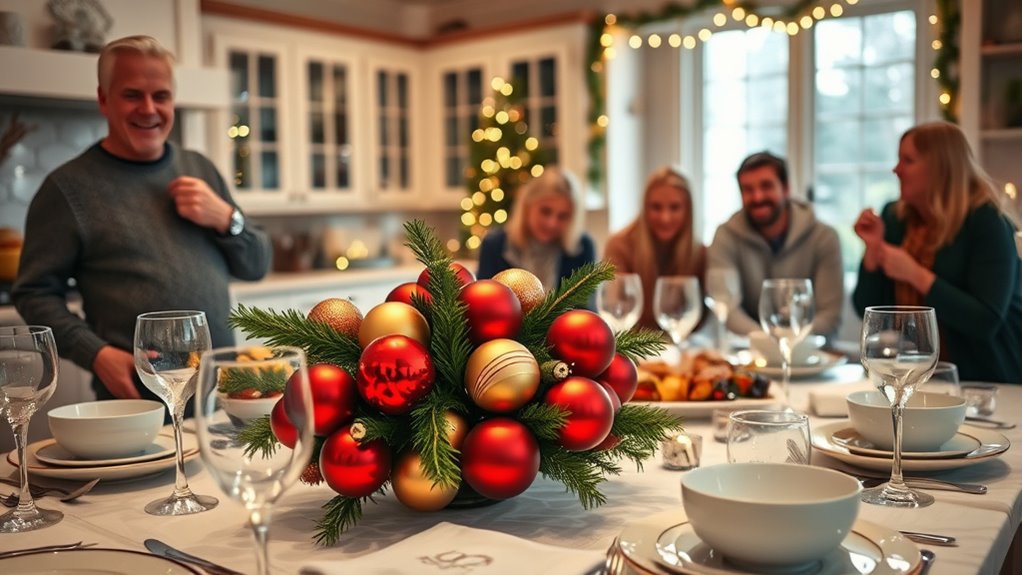
Arrange your dining space for comfort and flow to create a welcoming, stress-free holiday gathering.
As you plan, don’t forget to assign roles or ask for help. Enlisting a guest or two to bring a dish or assist with setup can ease your workload. Create a timeline for cooking and prep so that you’re not rushing at the last minute. For example, prepare ingredients in advance, and do as much as possible the day before. This helps you stay relaxed on the day of the dinner and ensures everything runs smoothly. Additionally, understanding aspects like field of view and imaging scale in deep-sky imaging can serve as a reminder to consider the overall layout and setup—whether for a dinner or a photography project—to optimize results and reduce last-minute stress. Incorporating water features or decorative elements can also enhance the ambiance and make your hosting space more inviting.
Finally, set realistic expectations. Accept that not everything has to be perfect. Focus on creating a warm environment and enjoying your time with loved ones. Remember, your guests are there to celebrate with you, not to judge your hosting skills. Keep the atmosphere light and friendly, and don’t be afraid to ask for help or take a break if needed. With thoughtful menu planning and attention to guest accommodations, you’ll create a memorable holiday dinner that everyone, including you, will enjoy. The more prepared you are, the more you’ll be able to relax and savor the special moments. Considering professional services or consulting with experienced hosts can also provide valuable tips and peace of mind. To further ease your planning, you might explore essential oils that promote relaxation and create a calming environment during your gathering. Remember that effective time management can make a big difference in reducing last-minute stress and ensuring everything comes together smoothly.
Frequently Asked Questions
How Do I Handle Last-Minute Guest Additions?
When last-minute guests arrive, stay calm and quickly adjust your table settings to accommodate them. Add extra plates, glasses, and napkins, and consider simple party favors like small treats or ornaments to make everyone feel welcome. You can also rearrange seating for better flow. Keep a few extra items on hand, so you’re prepared to make your new guests feel comfortable without stress, ensuring everyone enjoys the celebration.
What Dietary Restrictions Should I Prepare For?
You should prepare for common dietary restrictions like gluten-free options and vegan substitutions. Make certain to include gluten-free bread or pasta and plant-based dishes to accommodate your guests. Check with everyone beforehand about their dietary needs, and clearly label dishes, so everyone knows what’s safe for them. By planning these options, you ensure all your guests feel welcome and cared for, making your holiday dinner more enjoyable for everyone.
How Early Should I Send Out Invitations?
Think of sending invites as launching a message in a bottle—aim for 6 to 8 weeks ahead. This gives your guests plenty of time to RSVP and plan accordingly. Use clear RSVP policies on your invitation design to make certain responses come in smoothly. Early invites help you coordinate menus and seating, so you’re not scrambling at the last minute. Sending them early guarantees everyone’s on board before the holiday rush.
What Are Some Budget-Friendly Decoration Ideas?
You can create budget-friendly decorations by incorporating DIY accents and upcycled decor. Use items like mason jars, old wine bottles, or scrap fabric to craft festive centerpieces and accents. Add a personal touch with homemade garlands or painted pinecones. Repurposing items you already have not only saves money but also adds unique charm to your holiday table. These creative ideas make your celebration warm, inviting, and eco-friendly without breaking the bank.
How Can I Manage Kitchen Timing Effectively?
Think of your kitchen as a well-conducted orchestra; timing is everything. To manage it effectively, prep as much as possible ahead of time, including meal prep. Use appliances strategically—start with the oven for roasting and switch to the stove for sides. Keep a checklist, and coordinate cooking times to make certain everything’s hot and ready together, avoiding chaos. Stay organized, and let your kitchen harmony shine through.
Conclusion
Now that you’re armed with tips and tricks, hosting your first holiday dinner will be a walk in the park. Remember, it’s about creating warm memories, not perfection. Think of your gathering as a beautiful tapestry—each thread, or guest, adding to the overall masterpiece. Stay relaxed, enjoy the moment, and trust your planning. Before you know it, your holiday table will be the highlight of everyone’s season, shining brighter than the star on your tree.