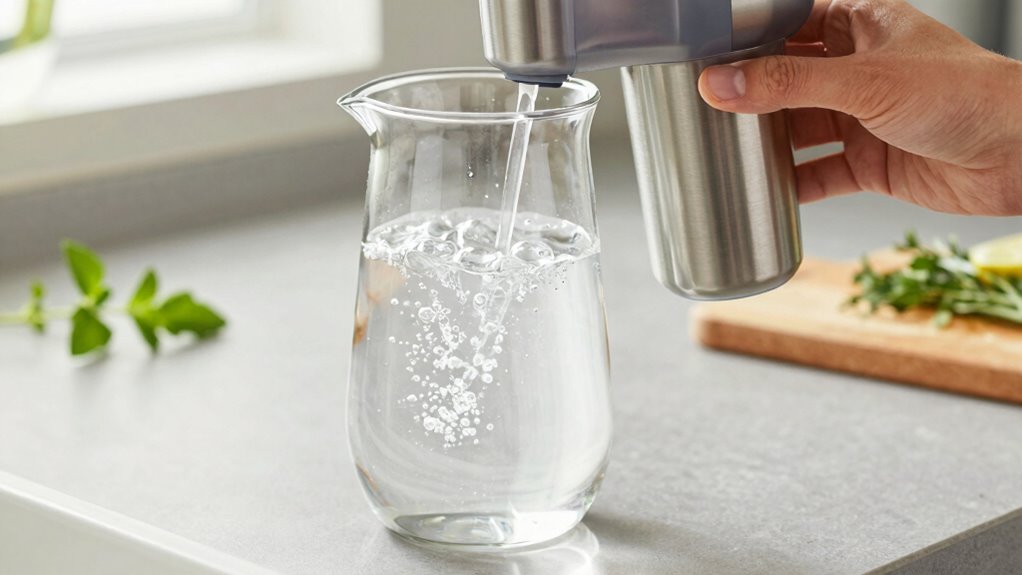

As a health-conscious cook, you likely ask how water filtration affects flavor, nutrients, and safety. You’re curious about which contaminants are removed and how that impacts your recipes, especially in baking and brewing. You want to find a system that preserves beneficial minerals while eliminating harmful substances like chlorine or lead. Knowing how different filters work helps you choose the right balance for better-tasting, healthier dishes. Continue exploring to discover more about optimizing your water quality.

Get kitchen staples and gadgets delivered free with Prime
- Fast, free delivery on millions of items
- Prime Video, Amazon Music and more included
- Member-only deals all year
Key Takeaways
- How does water mineral content affect cooking techniques and food texture?
- Which water filtration systems best remove contaminants while preserving beneficial minerals?
- How does filtration impact water’s flavor profile and nutritional value in recipes?
- What factors should be considered to balance purity and mineral retention in water filters?
- How does the quality of filtered water influence overall food taste, safety, and health benefits?
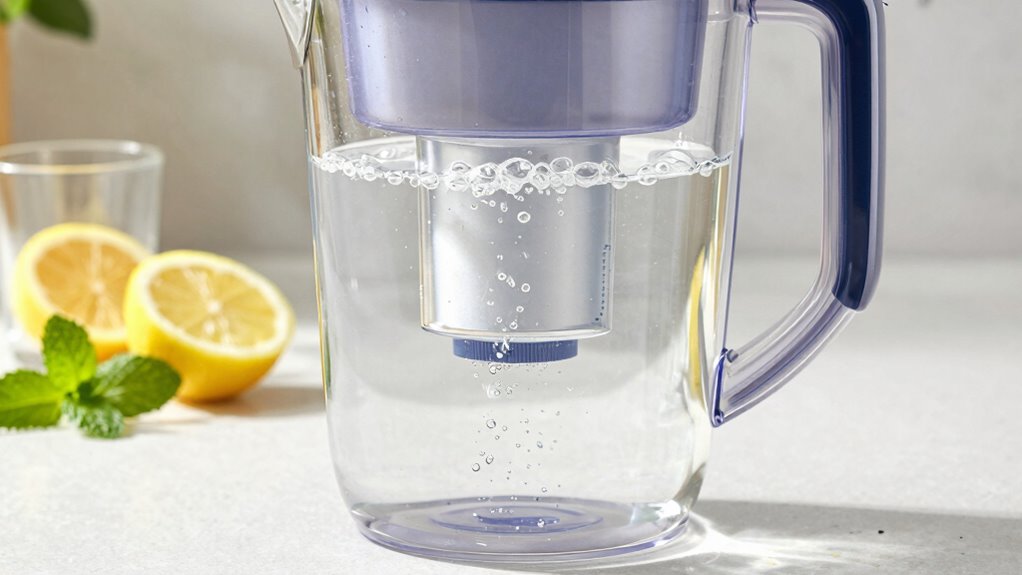
Have you ever wondered if your tap water is truly safe to use in your recipes? As a health-conscious cook, you understand that the quality of water you use can considerably impact your dishes, not just in flavor but also in nutritional value. When contemplating water filtration, one of the first questions you might ask is how your chosen system affects your cooking techniques. Different filters can alter the water’s mineral content, which in turn influences how your food turns out. For example, certain minerals like calcium and magnesium play a role in the texture of baked goods, affecting how dough rises or how crispy a crust becomes. If your water is too soft or too hard, your cooking techniques might need adjustments, and knowing the mineral content helps you fine-tune your recipes for maximum results.
Another common question revolves around what kind of contaminants the filtration system removes. You want to make certain that your water is free from chlorine, lead, or bacteria that could compromise your health or the taste of your food. Some filters target specific impurities, while others provide broader protection. Understanding what each filter removes helps you choose the right one, especially if you’re trying to avoid certain chemicals or substances that could interfere with your recipes or harm your health. For instance, if your water contains high levels of chlorine, it might impact the flavor of your tea or coffee, so a filter that reduces chlorine can improve your beverage quality and overall cooking experience.
You also need to reflect on how water filtration impacts your overall health and the nutritional content of your meals. Water with a balanced mineral profile can contribute essential nutrients to your diet, but over-filtering might strip away beneficial minerals. You might ask, “Does this filtration system preserve the water’s natural mineral content, or does it strip everything away?” This question is vital because it influences not only the taste but also the nutritional value of your cooked foods and beverages. For example, mineral-rich water can enhance the flavor of soups and stews, while overly purified water might lead to bland results. Additionally, understanding the specific water filtration methods can help you choose a system that balances purity with mineral retention, ensuring optimal results in your cooking.
water filtration system for cooking
As an affiliate, we earn on qualifying purchases.
As an affiliate, we earn on qualifying purchases.
Frequently Asked Questions
How Often Should I Replace My Water Filter?
You should replace your water filter every 6 to 12 months, depending on its water filter lifespan and usage. Keep an eye on replacement indicators like decreased flow rate or a change in taste or odor. Regularly checking these signs helps guarantee your water stays clean and safe. Remember, timely replacements prevent buildup of contaminants and maintain ideal filtration, so stay attentive to these cues to keep your water fresh and healthy.
Are All Water Filters Equally Effective Against Contaminants?
Not all water filters are equally effective against contaminants, and it’s no coincidence—different filtration technologies target specific contaminant types. Activated carbon filters excel at removing chemicals and odors, while reverse osmosis systems tackle heavy metals and microbes. To guarantee safe drinking water, choose a filter designed for the contaminants you’re concerned about, and remember, the right technology makes all the difference in protecting your health.
Can Filtered Water Improve My Cooking Flavors?
Filtered water can truly improve your cooking flavors by enhancing taste and aroma. It reduces unwanted impurities that can dull your dishes, allowing natural flavors to shine. Plus, good filters often retain essential minerals, which contribute to flavor enhancement without compromising health. By using high-quality filtered water, you help guarantee your recipes develop richer, more vibrant tastes, making every meal more enjoyable and flavorful.
Is Filtered Water Safe for Brewing Coffee or Tea?
Filtered water is safe for brewing coffee or tea, and it can enhance your beverages’ quality. In fact, coffee purity can be improved considerably with filtered water, leading to richer flavor profiles. Similarly, cleaner water preserves delicate tea aromas, allowing you to enjoy a more vibrant and aromatic cup. Using filtered water reduces impurities that can compromise taste, making your brewing experience more enjoyable and ensuring each sip delivers ideal flavor.
What Are the Long-Term Health Benefits of Filtered Water?
Using filtered water can offer long-term health benefits by supporting mineral retention and maintaining alkaline balance. When you filter water properly, you retain essential minerals like calcium and magnesium, which are crucial for bone health and muscle function. Additionally, filtered water helps preserve your body’s natural pH balance, reducing acidity and promoting overall wellness. Regularly drinking filtered water can contribute to better hydration, improved digestion, and a stronger immune system over time.
best water filter for mineral retention
As an affiliate, we earn on qualifying purchases.
As an affiliate, we earn on qualifying purchases.
Conclusion
In your pursuit of pure, pristine water, don’t delay—delve into details, ask questions, and select the suitable system. Your health hinges on hydration, so stay savvy, skeptical, and specific. By balancing benefits with boundaries, you’ll boost your brew and banish bacteria. Remember, wise water choices wash worries away, welcoming wellness with each sip. Stay smart, stay safe, and savor the satisfaction of superb, sanitized water—because your health deserves nothing less!
tap water filter for baking and brewing
As an affiliate, we earn on qualifying purchases.
As an affiliate, we earn on qualifying purchases.
As an affiliate, we earn on qualifying purchases.
Halloween Picks
halloween
As an affiliate, we earn on qualifying purchases.