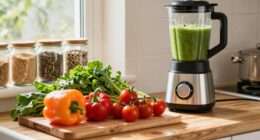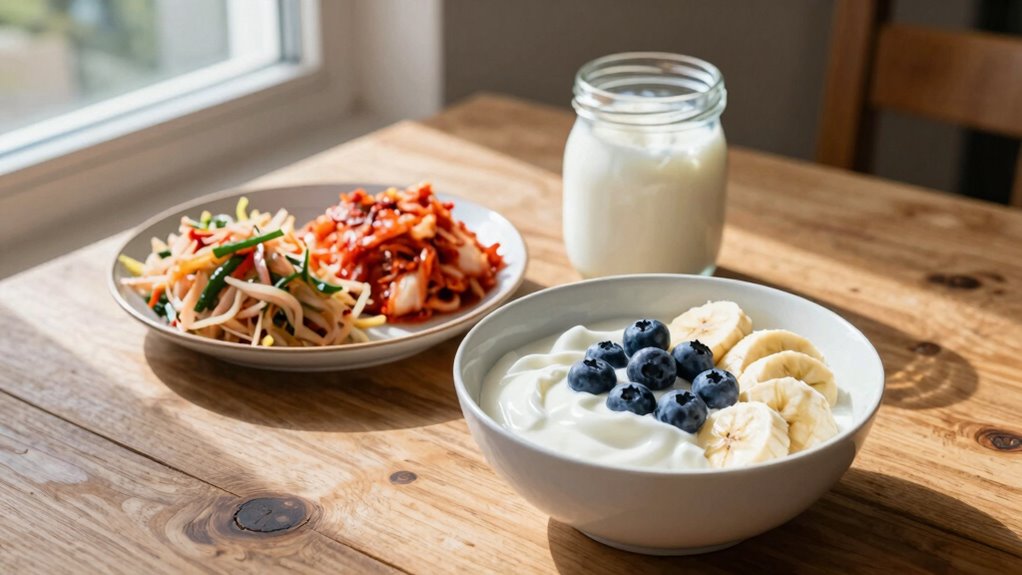

You can easily fit gut-friendly foods into your busy life by choosing simple options like yogurt, kefir, and fermented vegetables for probiotics, and adding fruits, vegetables, whole grains, and legumes for fiber. These foods support digestion, boost immunity, and help balance your microbiome without complicated routines. Stay consistent and make small swaps, like snack on berries or swap sugary cereals for oatmeal. Keep exploring to discover more practical tips to boost your gut health effortlessly.

Get kitchen staples and gadgets delivered free with Prime
- Fast, free delivery on millions of items
- Prime Video, Amazon Music and more included
- Member-only deals all year
Key Takeaways
- Incorporate probiotic-rich foods like yogurt, kefir, and fermented vegetables into daily meals for easy gut support.
- Add fiber sources such as fruits, vegetables, and whole grains to nourish beneficial bacteria and promote digestion.
- Combine probiotics with fiber for synergistic effects that enhance nutrient absorption and reduce inflammation.
- Make simple dietary swaps, like choosing whole foods over processed options, to support a healthy microbiome.
- Maintain consistency with small, sustainable habits tailored to individual reactions for long-term gut health.
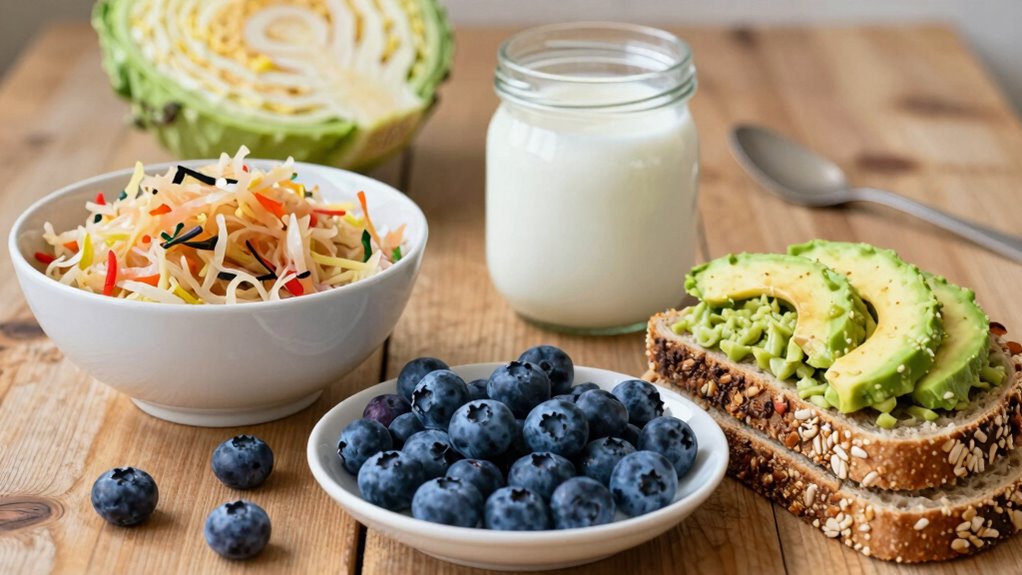
Your gut plays a crucial role in your overall health, and choosing the right foods can make a significant difference. The good news is that you don’t have to overhaul your entire diet to support your digestive system. Small, intentional changes can lead to noticeable improvements. Incorporate probiotic-rich options like yogurt, kefir, and fermented vegetables into your daily routine. These foods introduce beneficial bacteria to your gut, helping balance your microbiome and improve digestion. You might find that adding a spoonful of sauerkraut or a glass of kefir to your breakfast makes it easier to digest and boosts your immune health over time.
Equally important are fiber sources, which are essential for maintaining healthy bowel movements and supporting gut bacteria. Aim for a variety of fiber-rich foods such as fruits, vegetables, whole grains, and legumes. Apples, berries, carrots, and leafy greens are easy to incorporate into meals and snacks. Whole grains like oats, brown rice, and whole wheat bread not only provide fiber but also keep you feeling full longer, preventing overeating and supporting overall gut health. Legumes like lentils and chickpeas are versatile and packed with fiber, making them a practical addition to soups, salads, or even veggie burgers.
Balancing probiotic-rich options with fiber sources creates a powerful synergy for your digestive system. Fiber acts as food for the beneficial bacteria, helping them thrive and multiply. This interplay improves nutrient absorption, reduces inflammation, and can even enhance your mood. Incorporating diverse microbiome-supporting foods into your diet can further optimize gut health. To maximize these benefits, it’s helpful to understand how different foods impact your microbiome and overall wellbeing. A well-rounded approach that considers biodiversity in your diet can provide a broader range of nutrients and promote a diverse microbiota. Incorporating a variety of these foods not only supports microbial diversity but also helps your gut adapt to different dietary needs. Remember, consistency is key. Make these foods part of your daily routine rather than sporadic additions, and you’ll notice gradual but steady improvements in your digestion and energy levels.
Another tip is to listen to your body. If certain foods cause bloating or discomfort, adjust your intake accordingly. Avoid processed, high-sugar foods that can disrupt your gut bacteria balance and opt for whole, minimally processed options whenever possible. Staying hydrated also supports digestion and helps fiber do its job effectively. Drinking plenty of water throughout the day complements your healthy food choices, making digestion smoother and preventing constipation.
Incorporating probiotic-rich options and fiber sources into your everyday meals doesn’t require major sacrifices or complicated recipes. Focus on simple swaps and additions—yogurt instead of sugary cereals, vegetables with every meal, whole grains over refined ones. Over time, these small changes will promote a healthier gut, boost your immunity, and enhance your overall well-being. The key is consistency and making choices that fit seamlessly into your lifestyle, ensuring that supporting your gut health becomes a natural part of your daily routine.
As an affiliate, we earn on qualifying purchases.
Frequently Asked Questions
Can Gut-Friendly Foods Help With Specific Digestive Conditions?
Yes, gut-friendly foods can help with specific digestive conditions by boosting microbiome diversity and supporting healthy digestion. Incorporating fermented foods like yogurt, sauerkraut, or kefir introduces beneficial bacteria that improve gut health. These foods can alleviate symptoms of conditions like IBS or bloating. By regularly eating fermented foods, you help maintain a balanced microbiome, which is essential for overall digestive comfort and resilience against digestive issues.
Are There Any Foods to Avoid for Gut Health?
Did you know that over 70% of your immune system resides in your gut? You should avoid foods like sugary snacks, processed meats, and excessive alcohol, which can harm your gut health. While probiotic drinks and fermented vegetables boost beneficial bacteria, foods high in artificial additives or antibiotics may disrupt your microbiome. Cutting back on these helps maintain a balanced gut, supporting overall digestion and immunity.
How Quickly Can I See Improvements in Gut Health?
You can start noticing improvements in your gut health within a few days to a few weeks, depending on your diet and probiotic strains. Fermentation benefits from consuming probiotic-rich foods like yogurt or kefir help restore balance quickly. Stick with gut-friendly foods consistently, and you’ll likely see better digestion, reduced bloating, and improved overall well-being as your microbiome benefits from these targeted changes.
Do Gut-Friendly Foods Impact Weight Loss?
Yes, gut-friendly foods can impact weight loss. Consuming fermented foods boosts microbiome diversity, which helps regulate your digestion and metabolism. A diverse microbiome supports better nutrient absorption and can reduce inflammation, making it easier to shed pounds. Incorporate fermented foods like yogurt, sauerkraut, or kimchi into your diet regularly, and you’ll notice improvements in both gut health and your weight loss journey over time.
Are Supplements Necessary Alongside Gut-Friendly Foods?
Supplements aren’t always necessary when you eat gut-friendly foods, especially if you focus on dietary diversity. Relying solely on probiotic myths can lead you to overlook natural sources of beneficial bacteria, like fermented foods. If your diet is varied and balanced, you typically get enough probiotics without supplements. However, if your gut health is compromised, consulting a healthcare professional can help determine if supplements are right for you.
As an affiliate, we earn on qualifying purchases.
Conclusion
Remember, nourishing your gut isn’t just about choosing the right foods—it’s about embracing a lifestyle that supports your well-being. Think of your gut as the root of a thriving tree; when it’s healthy, everything else blossoms. So, make mindful choices, include gut-friendly foods daily, and watch your energy flourish. After all, isn’t it time you gave your gut the love it deserves? Your journey to better health starts now—are you ready to nurture your roots?
As an affiliate, we earn on qualifying purchases.
As an affiliate, we earn on qualifying purchases.
Fall Picks
fall essentials
As an affiliate, we earn on qualifying purchases.