

Your diet plays a vital role in your mental health by supplying the nutrients your brain needs to produce mood-regulating neurotransmitters like serotonin and dopamine. Eating balanced, nutrient-rich foods such as fruits, vegetables, whole grains, and healthy fats helps reduce inflammation and stabilize blood sugar, which can prevent mood swings and boost emotional resilience. Emotional eating or consuming processed foods high in sugar and fat can negatively impact your mood. Keep exploring how your food choices can support your emotional well-being.
Key Takeaways
- Nutrients support neurotransmitter production, influencing mood and emotional stability.
- Emotional eating high in sugar and fat causes blood sugar swings, leading to mood fluctuations.
- Diets rich in processed foods increase inflammation, which is linked to depression and anxiety.
- Consuming omega-3 fatty acids and colorful vegetables promotes brain health and emotional resilience.
- Small dietary changes, like reducing refined carbs and choosing nutrient-dense foods, can improve long-term mood stability.
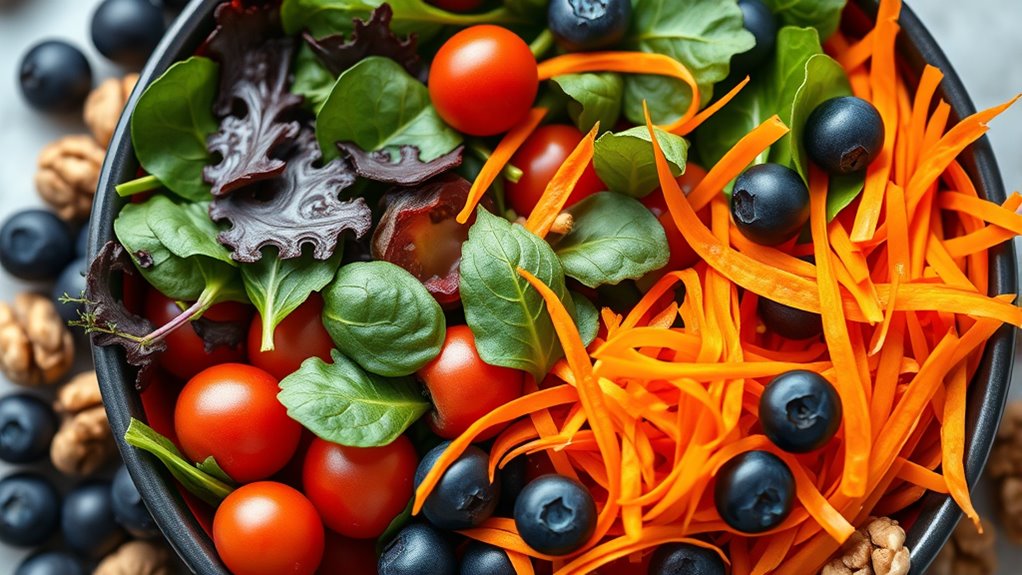
Your mood can be heavily influenced by what you eat, often in ways you might not realize. In recent years, the emerging field of nutritional psychiatry has shed light on how our diet impacts mental health. It’s not just about avoiding junk food or counting calories; it’s about understanding how certain nutrients support brain function and emotional well-being. When you choose nourishing foods, you give your brain the building blocks it needs to produce neurotransmitters like serotonin and dopamine, which regulate mood and feelings of happiness. Conversely, a diet lacking in essential nutrients can lead to feelings of fatigue, irritability, and even depression.
Many people turn to emotional eating as a way to cope with stress, anxiety, or sadness. While it might offer temporary comfort, it often creates a cycle that worsens your mood over time. Comfort foods—typically high in sugar, fat, and refined carbs—cause rapid spikes and crashes in blood sugar levels. These fluctuations can lead to feelings of lethargy, irritability, and difficulty concentrating, making emotional eating counterproductive for mental health. Recognizing when you’re eating out of emotion rather than hunger is a critical step toward breaking this cycle. When you’re aware of emotional eating triggers, you can start replacing those habits with healthier coping strategies, such as mindfulness, exercise, or talking to someone you trust. Incorporating nutritional balance into your daily routine can help stabilize mood swings and promote emotional resilience.
The foods you consume also influence inflammation in your body, which has been linked to depression and anxiety. Diets rich in processed foods, sugar, and trans fats tend to promote inflammation, while whole, unprocessed foods—like fruits, vegetables, lean proteins, and healthy fats—can reduce it. This anti-inflammatory effect supports better brain health and mood stability. Incorporating omega-3 fatty acids found in fatty fish, walnuts, and flaxseeds is especially beneficial. These nutrients help protect brain cells and improve communication between neurons, making you feel more balanced and focused. Additionally, understanding postpartum recovery and the associated nutritional needs can support mental well-being during challenging times. Moreover, adopting a balanced diet that emphasizes nutrient-dense foods can help sustain long-term mental health and resilience. Recognizing the role of nutrient balance can further empower you to make choices that promote emotional stability and overall well-being.
Furthermore, a balanced diet that emphasizes nutrient-dense foods can help regulate your mood over the long term, providing sustained mental clarity and emotional resilience. Small dietary changes, such as reducing refined carbohydrates and increasing intake of healthy fats, can significantly improve mood stability. Ultimately, your diet plays a vital role in shaping your mental state. By understanding the principles of nutritional psychiatry, you can make conscious food choices that elevate your mood and reduce emotional eating. Small changes—adding more colorful vegetables, choosing whole grains instead of refined carbs, and being mindful of emotional triggers—can have a profound impact on how you feel each day. Recognizing the power of food in influencing your mental health empowers you to take control and foster a healthier, more balanced emotional life.

Tasty Bite Kashmir Spinach, Ready to Eat, 10 Ounce, Microwavable Entrée in Light Curry Sauce, Vegetarian
Indian Kashmir Spinach: Sautéed fresh spinach in a light curry sauce with cubes of creamy paneer cheese; A...
As an affiliate, we earn on qualifying purchases.
Frequently Asked Questions
Can Specific Foods Cure Mental Health Disorders?
You can’t rely on specific foods as nutritional cures for mental health disorders, but dietary solutions can support your overall well-being. While no single food cures conditions like depression or anxiety, eating a balanced diet rich in omega-3s, vitamins, and minerals may help improve your mood. Focus on consistent, healthy eating habits to complement your treatment plan, rather than expecting quick fixes from particular foods.
How Quickly Can Diet Changes Impact Mood?
You can notice mood improvements within days of changing your diet. Studies show fasting benefits can lead to reduced mood fluctuations, often seen in just a week. When you adopt healthier eating habits, your brain responds quickly, stabilizing your mood and energy levels. Keep in mind, consistent diet changes help sustain these benefits, so stick with it to see long-term mental health improvements.
Are Supplement Vitamins Effective for Mental Health?
Supplement vitamins can be effective for mental health if they’re well-absorbed, but their efficacy varies based on individual needs and quality. You’ll want to guarantee proper vitamin absorption, which depends on form and timing. While supplements can help address deficiencies, they shouldn’t replace a balanced diet. Consult a healthcare professional to determine if specific supplements are right for you, and always choose reputable brands for ideal supplement efficacy.
Is Sugar Intake Linked to Anxiety Levels?
Yes, sugar intake is linked to anxiety levels. When you experience sugar cravings, it can act as an anxiety trigger, causing your blood sugar levels to spike and crash. This fluctuation may lead to feelings of unease or nervousness. By reducing your sugar consumption, you can help stabilize your mood and lessen anxiety triggers, making it easier to manage stress and maintain mental well-being.
Do Meal Timing and Frequency Affect Mood Stability?
Ironically, skipping meals or eating at irregular times can actually make your mood rollercoaster worse. When you mess with meal timing and meal frequency, your blood sugar levels spike and crash, leaving you irritable and anxious. Consistent meal schedules help stabilize your mood by providing steady energy. So, sticking to regular meal timing and maintaining balanced meal frequency can really keep your emotional state more steady and predictable.

TASTYBITE Organic Three Bean Madras Lentils, 10 OZ
No hydrogenated fats or high fructose corn syrup allowed in any food
As an affiliate, we earn on qualifying purchases.
Conclusion
Remember, your diet is like the fuel for your mind’s engine. Just as filling your tank with clean, high-quality fuel keeps your car running smoothly, eating nourishing foods can boost your mood and mental clarity. Imagine a friend who started eating more greens and felt their stress melt away—proof that small choices can shift your mental landscape. So, choose wisely; your brain’s happiness depends on the fuel you give it every day.

Tasty Bite Organic Brown Rice, 8.8 Ounce, Ready to Eat, Microwavable, Vegan, Gluten-Free
Organic Brown Rice: Nutty, organic brown rice fully cooked and ready to heat up; Serve with stir fry...
As an affiliate, we earn on qualifying purchases.

Tasty Bite Organic Jodhpur Lentils, 10 Ounce, Ready to Eat, Microwavable Entree, Vegan
Organic Indian Jodhpur Lentils Entree: Yellow lentils slow cooked to creamy perfection with savory undertones of garlic, cumin,...
As an affiliate, we earn on qualifying purchases.