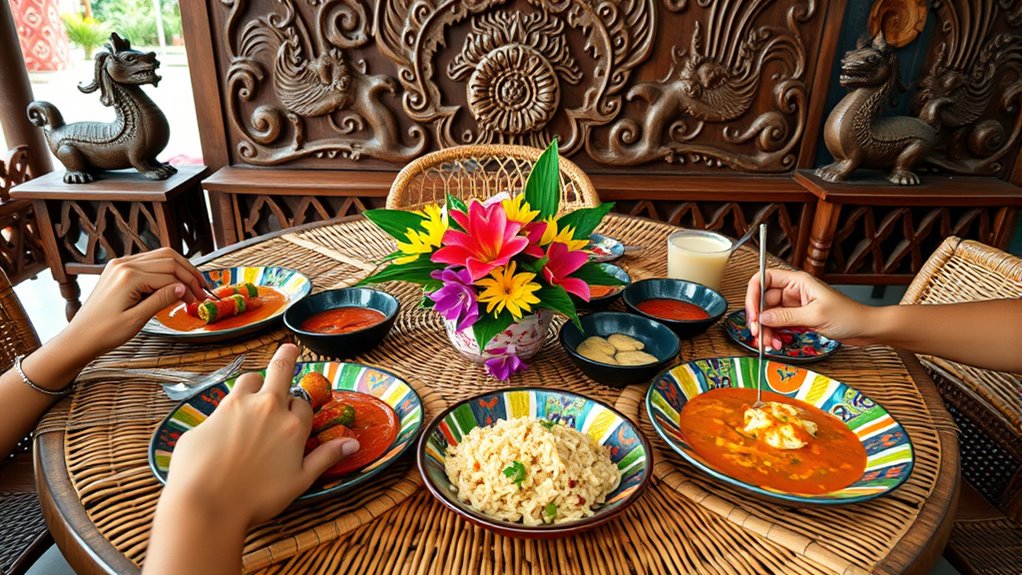

In Indonesian dining customs, you show respect and hospitality through careful food presentation and shared meals. Dishes are arranged with vibrant colors and neat layouts to invite enjoyment and symbolize harmony. Using your hands or utensils properly demonstrates tradition and attentiveness to guests. Celebrating social unity, these customs highlight appreciation and reverence for food and company. By understanding these practices, you’ll uncover more about Indonesia’s rich cultural principles that shape their dining experiences.
Listen free for 30 days with Audible
Thousands of audiobooks and originals — cancel anytime.
As an affiliate, we earn on qualifying purchases.
Key Takeaways
- Indonesian table etiquette emphasizes respectful food presentation and communal sharing, reflecting cultural values of harmony and hospitality.
- Proper serving and arrangement of dishes demonstrate care and reverence for guests and the meal.
- Use of specific utensils or hands varies by region, with emphasis on cleanliness and etiquette.
- Guests are expected to wait for the host’s signal before beginning to eat.
- Appreciating the visual appeal of dishes and complimenting the meal is considered polite and respectful.
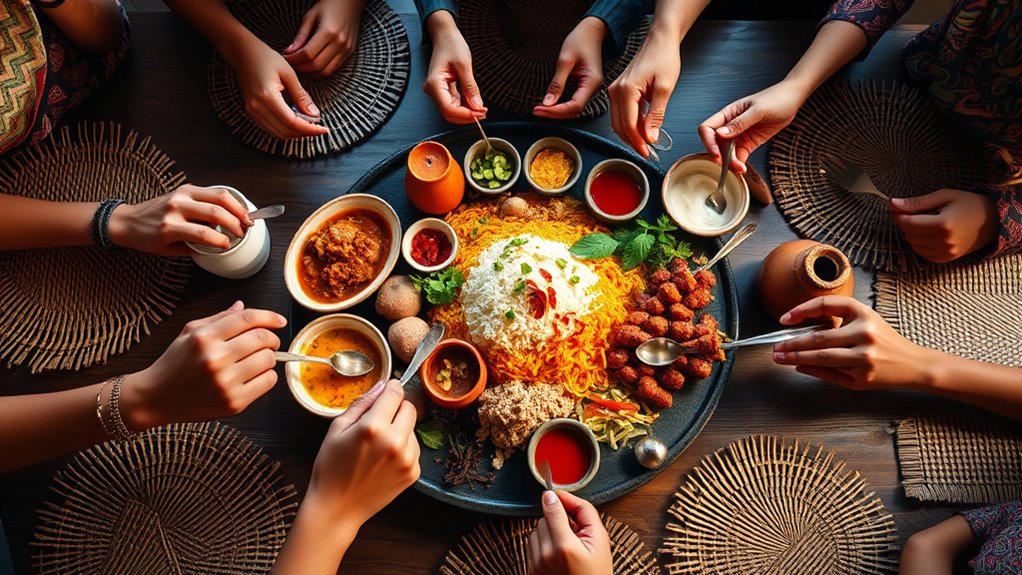
Dining customs vary widely around the world, reflecting cultural values, traditions, and social norms. When you visit Indonesia, you’ll quickly notice that food presentation plays a significant role in the dining experience. Indonesians take pride in arranging dishes with care, often highlighting vibrant colors and appealing layouts to show respect for the food and guests. Tables are typically adorned with a variety of dishes, each meticulously prepared and presented to invite sharing and enjoyment. The way food is presented isn’t just about aesthetics; it communicates hospitality and reverence for the meal. As you participate in Indonesian dining, you’ll come to appreciate how this emphasis on food presentation enhances the communal spirit of sharing meals. Additionally, the significance of food presentation in Indonesian culture reflects broader values of respect and harmony during social gatherings.
As an affiliate, we earn on qualifying purchases.
Frequently Asked Questions
Are There Specific Dishes Associated With Indonesian Dining Etiquette?
Yes, there are specific dishes associated with Indonesian dining etiquette. Traditional dishes like nasi goreng, satay, and rendang often play a central role in meals, especially during ceremonies and gatherings. Ceremonial foods such as ketupat and various spicy sambals are also important, reflecting respect and cultural significance. You’ll find these dishes served with shared hands or utensils, emphasizing community and respect during Indonesian meals.
How Do I Correctly Use the Utensils During an Indonesian Meal?
Did you know that around 70% of Indonesians prefer eating with their hands, yet proper utensil handling remains important? During an Indonesian meal, use a spoon for rice and a fork to push food onto it, avoiding stabbing or pointing. Follow cultural dining gestures like using your right hand and showing respect by not sticking utensils upright in rice. These practices demonstrate your understanding and appreciation of Indonesian dining customs.
Is It Customary to Share Food in Indonesian Dining Culture?
Yes, sharing plates and communal eating are common in Indonesian dining culture. You typically gather around a central table with friends or family, passing dishes and using your hands to serve yourself from shared bowls. This practice emphasizes togetherness and hospitality. When you eat, follow local customs by using your right hand and respecting the communal nature of the meal, making your dining experience warm and culturally immersive.
What Is the Significance of Saying “Selamat Makan” Before Eating?
Saying “selamat makan” before eating is like opening a door to respect and unity. It’s a polite expression that holds deep cultural significance, signaling your good wishes and gratitude for the meal. This simple phrase fosters a warm connection among diners, showing appreciation and politeness. By saying it, you honor Indonesian customs, making the dining experience not just about food but about shared respect and harmony at the table.
Are There Any Taboo Behaviors to Avoid at Indonesian Dining Tables?
At Indonesian dining tables, you should avoid behaviors like pointing with your chopsticks, using your left hand for eating, or making loud noises, as they’re considered disrespectful. Maintain respectful communication and observe dress code etiquette by dressing modestly. These actions show your respect for local customs and help you blend in. Being mindful of such taboos demonstrates your understanding and appreciation of Indonesian culture during shared meals.
As an affiliate, we earn on qualifying purchases.
Conclusion
By embracing Indonesian table etiquette, you’re opening a door to deeper cultural understanding. Imagine sharing a meal where each gesture is like adding a brushstroke to a vibrant painting—your respect and awareness bring the scene to life. Just last year, I watched a friend navigate a traditional meal with genuine curiosity, turning a simple dinner into a memorable cultural exchange. Remember, every shared bite is a step toward building meaningful connections across diverse traditions.
As an affiliate, we earn on qualifying purchases.
As an affiliate, we earn on qualifying purchases.
Flea & tick season Picks
flea and tick prevention
As an affiliate, we earn on qualifying purchases.