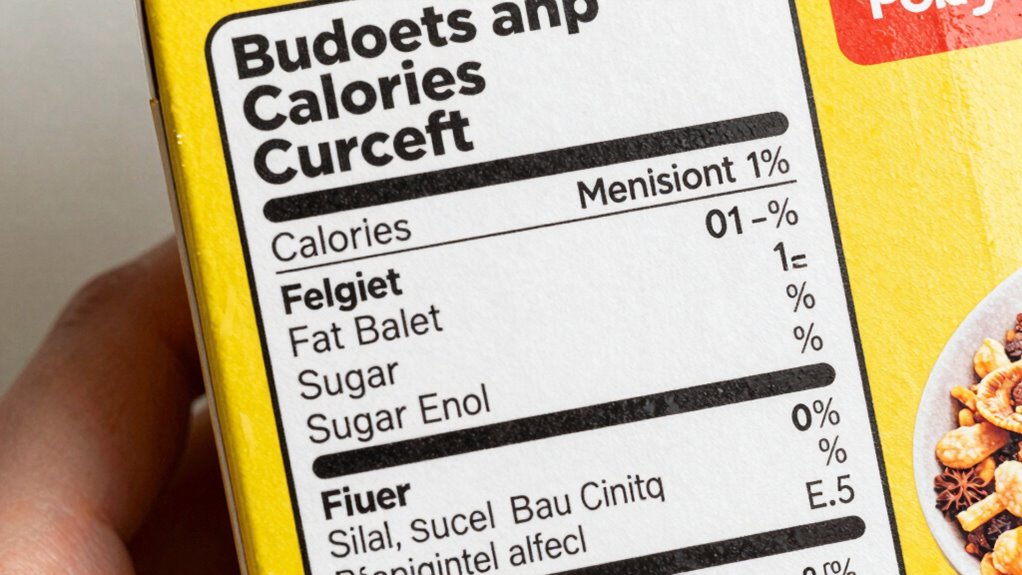

To improve your cooking choices, start by checking the serving size and nutrient content per serving—this helps you control portions and calorie intake. Focus on ingredients listed; prioritize whole grains, lean proteins, and minimize added sugars and unhealthy fats. Use the nutrition facts to assess calories, sodium, and fats, and look for healthier ingredient swaps. Mastering these steps enables smarter shopping and meal prep, so stay with us to explore even more ways to optimize your meals.
Listen free for 30 days with Audible
Thousands of audiobooks and originals — cancel anytime.
As an affiliate, we earn on qualifying purchases.
Key Takeaways
- Check the serving size to accurately assess calorie and nutrient intake per portion.
- Review the ingredient list to identify healthier options and spot added sugars or unhealthy fats.
- Focus on nutrients like saturated fat, sodium, and added sugars to choose more nutritious ingredients.
- Use label information to select lower-calorie, nutrient-dense foods for better meal planning.
- Look for ingredient swaps, such as whole grains or fresh herbs, to improve recipe healthfulness.

Have you ever wondered what those numbers and terms on food packaging really mean? Reading nutrition labels can seem overwhelming at first, but once you understand how to decode them, you’ll make smarter choices in the kitchen. One key aspect is knowing how to use ingredient substitutions and portion control to enhance your meals without overdoing it. Labels provide information on serving sizes, calories, and nutrient content per serving, helping you determine if what you’re about to eat aligns with your health goals. For example, if a product lists a large serving size, you might want to consider reducing your portion to avoid consuming excess calories or sugar. Portion control isn’t just about restricting; it’s about being aware of how much you’re actually consuming and adjusting your intake accordingly. If a snack pack contains multiple servings, dividing it into smaller portions can help manage calories and prevent overeating.
Understanding serving sizes and ingredient swaps helps you eat smarter and healthier every day.
When examining ingredients, look for the list’s order. The first few ingredients are present in the highest amounts. If you see added sugars or unhealthy fats at the top, contemplate making ingredient substitutions to improve nutritional quality. Swapping out refined ingredients for whole grains or natural sweeteners can make a significant difference. For example, replace white bread with whole grain bread or choose Greek yogurt over flavored varieties with added sugar. These small ingredient substitutions can boost fiber, vitamins, and minerals while reducing empty calories.
Pay attention to the nutrition facts panel, especially the calories per serving, to gauge how a food fits into your daily intake. Keep an eye on nutrients like saturated fat, sodium, and added sugars. If a product is high in these, think about how you can modify your meal with ingredient substitutions—using herbs instead of salt or choosing lean protein sources—to make healthier choices. Balancing your meals with lower-calorie options and nutrient-dense ingredients helps you stay on track. Additionally, understanding concepts like free floating in backyard design can inspire you to create a healthy, relaxing outdoor space that encourages active living and wellness.
Ultimately, reading labels isn’t about obsessing over every detail but about developing awareness. Use this knowledge to control your portion sizes and select ingredient substitutions that elevate your cooking. By doing so, you empower yourself to make better choices each time you shop and prepare food, leading to a healthier lifestyle. Remember, small changes—like swapping ingredients or adjusting portions—add up over time and can transform your overall well-being. Learning to read nutrition labels is a practical step toward achieving your health and cooking goals, giving you the confidence to make informed decisions in the grocery store and kitchen alike.
Frequently Asked Questions
How Often Should I Check Expiration Dates on Packaged Foods?
You should check expiration dates on packaged foods every time you do food storage or before you use them. This helps guarantee label accuracy and keeps you aware of food safety. Regularly inspecting these dates prevents consuming spoiled items and reduces waste. Make it part of your routine, especially for perishable or long-term storage foods, so you always know what’s safe to eat and can plan your meals accordingly.
Are Organic Labels on Nutrition Labels Reliable Indicators of Health?
Organic labels on nutrition labels can be fairly reliable if they feature proper organic certification. Look for certifying agency logos to guarantee authenticity. Keep in mind, though, that label accuracy varies, and “organic” doesn’t always mean healthier or more nutritious. You should still read the ingredients and nutrition facts carefully, using the label as a guide rather than a sole indicator of health.
How Do Serving Sizes Affect the Nutritional Information I See?
Serving sizes are the gateway to understanding your food’s story, like reading a map before a journey. They shape the numbers you see on labels, making them a mirror of portion sizes. Small changes in serving size can dramatically alter the nutritional picture, so don’t trust label accuracy blindly. Always compare portion sizes to your actual serving to make smarter choices and keep your health on the right track.
Can Nutrition Labels Help Me Manage Food Allergies Effectively?
Nutrition labels can help you manage food allergies effectively by guiding you to identify allergy-friendly ingredients. Always read labels carefully using label reading strategies, such as checking for allergen warnings and ingredient lists. Look for symbols or claims like “free from” or “allergy-friendly,” and note potential cross-contamination risks. By staying vigilant and understanding label cues, you can make safer food choices and avoid allergic reactions.
What Are Hidden Sugars in Food Products to Watch Out For?
Hidden sugar sources can lurk in many foods, so you should watch out for added sweeteners like high fructose corn syrup, cane sugar, and dextrose on labels. These are often disguised under unfamiliar names, making it tricky to spot them. Always check the ingredients list carefully, especially in processed foods, beverages, and condiments. Being vigilant helps you cut back on unnecessary sugar and make healthier choices.
Conclusion
By learning to read nutrition labels, you empower yourself to make healthier cooking choices. Remember, nearly 60% of Americans overlook serving sizes, which can lead to overeating. So, take a moment to check the label carefully—pay attention to serving size, calories, and nutrients. Small, informed changes in your shopping habits can considerably improve your diet and overall health. Start today, and you’ll be amazed at how much better your meals can become!
Labor Day sales Picks
labor day deals
As an affiliate, we earn on qualifying purchases.