
TL;DR

Get kitchen staples and gadgets delivered free with Prime
- Fast, free delivery on millions of items
- Prime Video, Amazon Music and more included
- Member-only deals all year
Good Housekeeping’s Home Care and Cleaning Lab recommends treating ink stains promptly, with rubbing alcohol among its suggested methods for fresh ballpoint ink. The report also describes ammonia and acetone-based nail polish remover as options for some stains, while stressing fabric-safe use and checking that the stain is gone before drying.
Good Housekeeping’s Home Care and Cleaning Lab has outlined ways to treat ink stains on clothing, recommending that people act quickly and use methods suited to the ink and fabric. Its guidance identifies rubbing alcohol as a useful option for fresh ballpoint ink and warns readers to keep treated garments out of the dryer until the stain is gone.
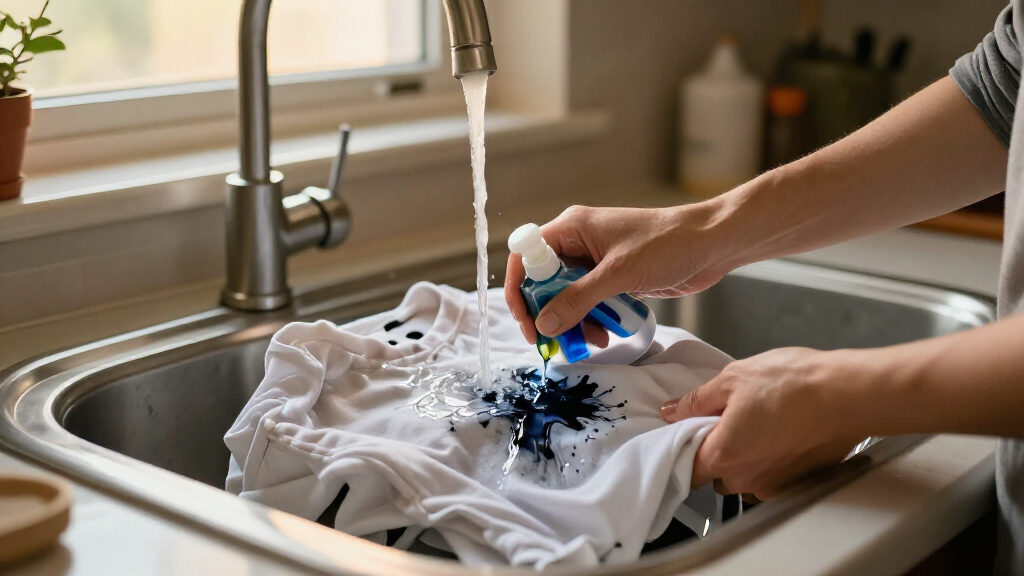
For a small, fresh stain, the report says to put a paper towel beneath the marked area and apply rubbing alcohol with an eyedropper. Blot with a clean paper towel, repeating the process while ink continues to transfer. For a larger stained area, it describes immersing that part of the garment in alcohol for 15 minutes, then blotting. Rinse with cool water, apply a pre-wash stain remover and launder using the hottest setting safe for the fabric.
The report says rubbing alcohol works best on fresh ink, particularly the oil-based pigments in ballpoint pens, and may also help with permanent marker. It is flammable, so it should be kept away from flames. Garments should be washed thoroughly after treatment, and the care label should guide any bleach or temperature choice.
For ballpoint or felt-tip ink, the report describes soaking clothing in hot water with bleach-free liquid detergent and ammonia. The stain can be rubbed gently and left to soak for 30 minutes to an hour; stubborn marks may be soaked overnight, with occasional rubbing. Another option for fresh stains is to dab a few drops of acetone-based nail polish remover onto a cloth or cotton round and blot without rubbing. The source cautions against soaking clothes in acetone, a powerful solvent. Rinse and wash after treatment.
Why Drying Can Set the Stain
Ink can spread or become harder to remove if a garment is handled carelessly, and putting a still-stained item in the dryer can make the problem more difficult to address. The report’s practical takeaway is to blot rather than rub, rinse and launder after treatment, then inspect the fabric before applying heat. That check can prevent a stain-removal attempt from ending with a mark that is harder to treat.
The advice also highlights that household solvents are not interchangeable or risk-free. Alcohol is flammable, while acetone can affect fabric or dyes. Testing a product on a hidden area first and following garment-care instructions can help reduce the risk of damage. The article offers methods, not a guarantee: results depend on the ink, fabric and age of the stain.
rubbing alcohol for ink stain removal
As an affiliate, we earn on qualifying purchases.
As an affiliate, we earn on qualifying purchases.
Choosing a Method for the Ink
The Good Housekeeping report distinguishes among treatment options rather than presenting one method as suitable for every stain. It links rubbing alcohol most closely to fresh ballpoint ink, describes ammonia for ballpoint or felt-tip ink, and suggests acetone-based nail polish remover as a quick treatment for fresh marks. It also says dried stains may still respond to treatment, though they can require repeated attempts or a commercial stain remover.
The report notes that hairspray became a familiar home remedy because older formulas contained alcohol. Some current sprays contain less alcohol, it says, and hairspray can leave sticky residue. It also mentions vinegar, toothpaste and hand sanitizer among other remedies people try, but the supplied source text does not provide a complete assessment of their effectiveness. No single approach is presented as guaranteed for all fabrics or ink types.
“Ink stains are easiest to remove when they’re fresh.”
— Good Housekeeping Institute Home Care and Cleaning Lab, as summarized in the report
nail polish remover acetone for fabric stains
As an affiliate, we earn on qualifying purchases.
As an affiliate, we earn on qualifying purchases.
Results Depend on Fabric and Ink
The supplied report does not identify a method that works for every fabric, ink formulation or stain. It does not give a success rate or a tested comparison among the three treatments, so readers should not assume one is universally best. The source also does not provide full details about the safety of every DIY remedy it mentions.
How a garment responds may depend on its care instructions and whether the stain has already dried or been heat-treated. The report advises testing a commercial stain remover in a hidden spot before applying it more widely. If a solvent causes color change or fabric damage during that test, the source does not recommend proceeding on the visible stain.
As an affiliate, we earn on qualifying purchases.
Check the Garment Before Drying
After treating an ink mark, rinse and wash the garment according to its care label, then inspect the stained area before using a dryer. If ink remains, the report advises repeating an appropriate treatment or trying a commercial stain remover after first testing it on a hidden section. The article gives no follow-up testing results or product-specific recommendations in the supplied material, so the next step depends on the remaining stain and the garment’s fabric.
As an affiliate, we earn on qualifying purchases.
Key Questions
What is the recommended first approach for fresh ballpoint ink?
The report recommends blotting with rubbing alcohol, using a paper towel beneath the stain to catch transferred ink. Rinse, apply a pre-wash stain remover and launder at a fabric-safe temperature.
Can a dried ink stain still come out?
According to the report, a dried stain may still be removable, but it can take repeated treatment or a commercial stain remover. Results are not guaranteed for every fabric or ink.
Can I put the garment in the dryer after treating it?
Wait until you have checked that the stain is gone. The report warns against drying a garment with visible ink remaining; follow the care label for washing and drying instructions.
Is nail polish remover safe to soak clothes in?
No. The report specifically cautions that acetone is a powerful solvent and says not to submerge clothing in it. Dab a small amount onto a cloth or cotton round, blot gently, then rinse.
Source: rss
Halloween Picks
halloween
As an affiliate, we earn on qualifying purchases.