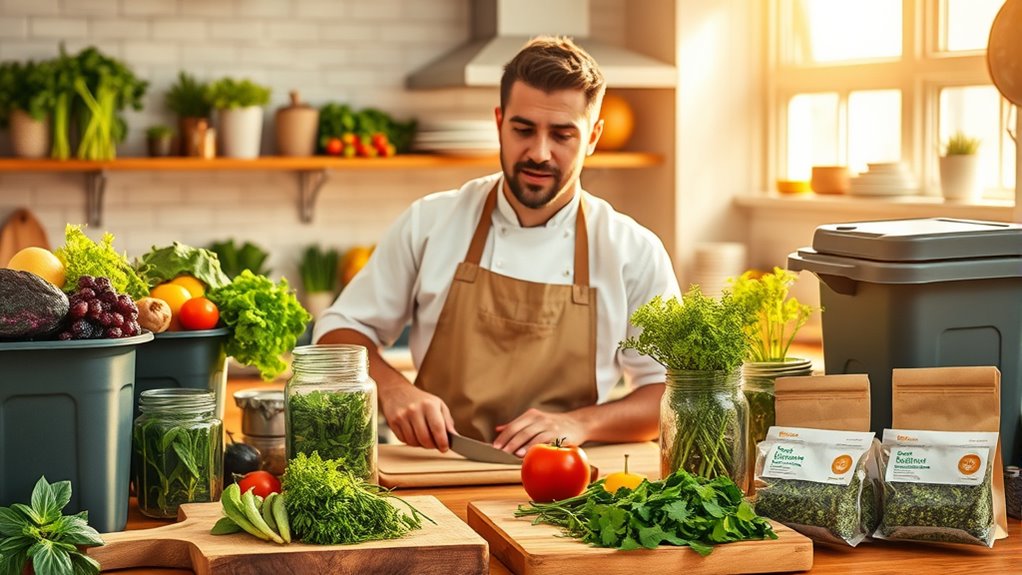

The rise of zero-waste cooking shows how chefs are transforming scraps into gourmet dishes, inspiring innovation and sustainability in kitchens worldwide. By focusing on preserving food, using local ingredients, and rethinking waste, they minimize environmental impact while saving money. Chefs often turn peels, stems, and leftovers into creative meals, helping you see waste as a valuable resource. Continue exploring to discover how these inspiring stories can change your approach to cooking and sustainability.
Open a free Amazon Business account
Business pricing, bulk buying and tax-exempt orders.
As an affiliate, we earn on qualifying purchases.
Key Takeaways
- Chefs are transforming scraps like peels and stems into gourmet ingredients, showcasing waste as a creative resource.
- Zero-waste cooking emphasizes sustainable, locally sourced ingredients and innovative preservation methods.
- Stories from chefs highlight how mindful food use reduces environmental impact and inspires sustainable practices.
- Many chefs incorporate techniques like pickling and fermenting to extend ingredient life and minimize waste.
- The movement fosters a shift towards responsible kitchen habits, promoting both culinary creativity and environmental consciousness.
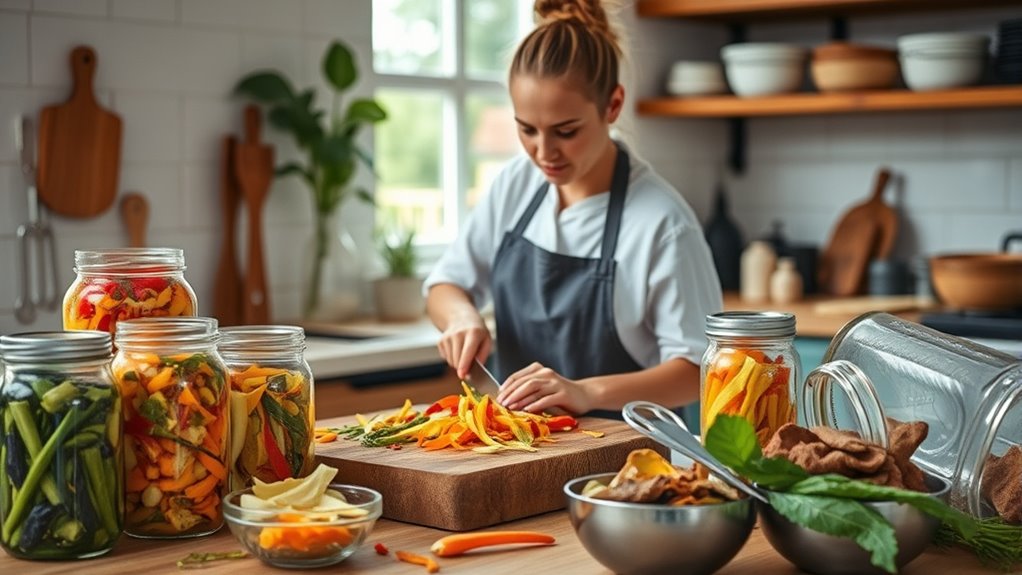
Zero-waste cooking is a practical approach that helps you reduce food waste and minimize your environmental impact. By making mindful choices in the kitchen, you can turn scraps and leftovers into delicious meals, all while supporting sustainable ingredients. This method encourages you to think creatively about food preservation—finding ways to extend the life of produce, dairy, and even leftovers, so nothing goes to waste. When you prioritize food preservation, you not only cut down on unnecessary purchases but also lessen the burden on landfills and reduce your carbon footprint.
Zero-waste cooking reduces waste, saves money, and supports sustainability through mindful food preservation.
In zero-waste cooking, using sustainable ingredients is key. You choose locally sourced, organic, and seasonal produce whenever possible, which supports local farmers and reduces the environmental costs of transportation. These ingredients often come with less packaging, making it easier for you to avoid excess waste. As you learn to work with what’s in season, you develop a deeper connection to your local ecosystem and become more conscious of your food choices. This shift not only benefits the environment but also enhances the flavor and nutritional value of your meals.
Food preservation techniques play a significant role in this culinary approach. You might pickle vegetables, ferment fruits, or dry herbs to extend their usability. Freezing leftovers in reusable containers keeps ingredients fresh longer, allowing you to enjoy them days or even weeks later. Proper storage methods—like vacuum-sealing or using airtight jars—further prevent spoilage. Additionally, choosing the right home theater projector technology can improve your viewing experience at home, making your space more enjoyable while reducing the need for frequent replacements. By mastering these techniques, you’re effectively creating a stockpile of preserved foods that reduce the need for frequent shopping trips and minimize waste.
Many inspiring chefs have adopted zero-waste principles, sharing stories of how they transformed ordinary scraps into gourmet dishes. They often emphasize the importance of using every part of an ingredient—stems, peels, cores—that would typically be discarded. These chefs demonstrate that waste can be reimagined as a resource, proving that zero-waste cooking isn’t just sustainable but also creative and rewarding. Their tales motivate you to rethink your own kitchen habits, inspiring you to experiment with food preservation methods and sustainable ingredients.
Ultimately, zero-waste cooking empowers you to make a meaningful impact through simple, daily actions. It’s about more than just reducing waste; it’s about fostering a mindful relationship with your food. By choosing sustainable ingredients and mastering preservation techniques, you turn your kitchen into a space of innovation and responsibility. As you embrace this approach, you join a growing movement of cooks and chefs dedicated to protecting the planet—one meal at a time.

Nebraska Star Beef Prestige Angus Ground Beef, 80/20 Blend, 1 lb, 20-Pack
- Premium Angus Ground Beef: 80/20 lean blend from Angus cattle
- USDA Choice Quality: Made from USDA Choice beef cuts
- Versatile Cooking Use: Suitable for grilling, baking, and frying
As an affiliate, we earn on qualifying purchases.
Frequently Asked Questions
How Can Beginners Start Practicing Zero-Waste Cooking Effectively?
To start practicing zero-waste cooking, you should focus on smart meal planning to minimize leftovers and waste. Use every part of ingredients by learning proper preservation techniques like freezing or pickling, which extend their shelf life. Shop with reusable bags and containers, and get creative with leftovers to reduce trash. These simple steps help you build sustainable habits while making the most of your ingredients.
What Are Common Misconceptions About Zero-Waste Cooking?
You might think zero-waste cooking is complicated or time-consuming, but that’s a food waste myth. Many believe it’s about perfect recycling, which is a sustainability misconception. In reality, it’s about reducing waste through simple actions like planning meals and composting. Don’t let these myths hold you back—embrace small, manageable changes to improve sustainability and cut down on unnecessary food waste in your kitchen.
How Does Zero-Waste Cooking Impact Overall Food Costs?
Zero-waste cooking markedly impacts your food costs by promoting food waste reduction and utilizing every ingredient. You save money through cost savings strategies like composting scraps and creatively repurposing leftovers. By minimizing waste, you cut down on unnecessary purchases and maximize ingredient use, leading to lower overall expenses. Embracing zero-waste principles not only benefits your budget but also encourages more sustainable and mindful eating habits.
What Tools or Equipment Are Essential for Zero-Waste Kitchens?
To run a zero-waste kitchen, you need essential tools like reusable storage containers to keep ingredients fresh and organized. Composting bins are crucial for recycling food scraps and reducing waste. You should also invest in sharp knives, versatile utensils, and multi-purpose appliances to minimize waste during prep. These tools help you streamline your process, cut costs, and stay eco-friendly while cooking efficiently.
Are There Specific Cuisines That Lend Themselves Better to Zero-Waste Methods?
Did you know that plant-based cuisines are often more adaptable to zero-waste methods? You’ll find they naturally utilize every part of vegetables and legumes, reducing waste. Similarly, sustainable seafood-focused dishes can be optimized for minimal waste by using parts typically discarded. These cuisines lend themselves well to zero-waste cooking because they emphasize whole ingredients and resourcefulness, making them ideal choices to embrace eco-friendly culinary practices.

Grumpy Butcher Wagyu Hamburger Patties, 8 Jumbo 1/2-lb, 4 lb total
- Size: Eight 8 oz Wagyu patties
- Type: American Wagyu beef with marbling
- Preparation: Ready-to-grill with black pepper seasoning
As an affiliate, we earn on qualifying purchases.
Conclusion
As you embrace zero-waste cooking, you become a master gardener tending to your culinary landscape, transforming scraps into treasures. Every discarded peel or leftover finds new life, weaving a tapestry of sustainability beneath your fingertips. This movement isn’t just a trend; it’s a revolution that turns your kitchen into a sanctuary of innovation and care. By choosing mindful cooking, you’re not just saving ingredients—you’re nurturing the planet, one delicious, waste-free meal at a time.
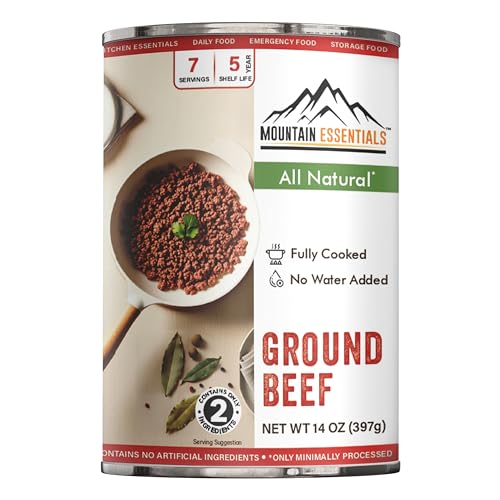
MOUNTAIN ESSENTIALS Fully Cooked Ready to Eat Ground Beef 14 oz – 11g Protein per Serving (7 Servings per Can) – All Natural, No Water Added – Recipe Ready for Quick Meals, Emergency Food, Daily Survival – No Preservatives – Pack of 1
- Premium Quality Beef: Top-quality, minimally processed, preservative-free
- Ready to Eat: Heat and add to various dishes easily
- No Water Added: Pure beef with authentic flavor
As an affiliate, we earn on qualifying purchases.

Aged Angus Top Sirloin and Ground Beef Patties by Nebraska Star Beef - All Natural Hand Cut and Trimmed and Includes Seasoning - Gourmet Package Delivered to Your Door
- Premium Angus Beef Combo: Hand-cut, aged, hormone-free beef
- Ideal Gift Option: Perfect for holidays and birthdays
- Versatile Meal Use: Great for grilling or oven cooking
As an affiliate, we earn on qualifying purchases.
Summer Picks
summer essentials
As an affiliate, we earn on qualifying purchases.