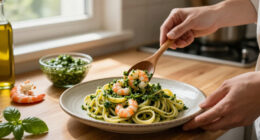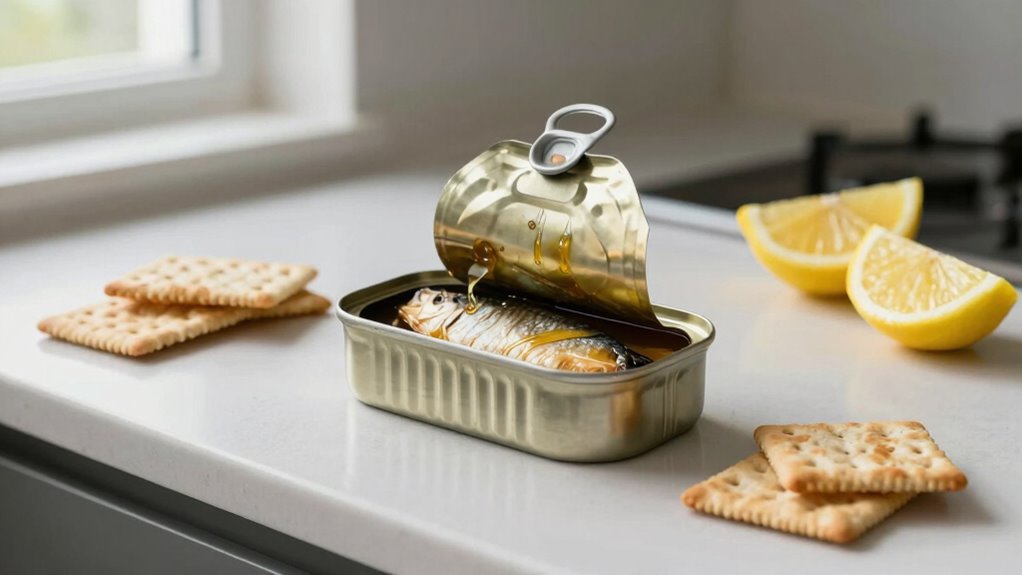

Tinned fish has become cool again because it’s no longer just a simple pantry staple but a gourmet ingredient your kitchen can elevate with artisanal preparations and modern flavors. Consumers appreciate its authenticity, nostalgia, and versatile use in dishes like salads, pasta, and tapas. Focus on sustainable sourcing also boosts its appeal. If you keep exploring, you’ll discover how this trend combines tradition with culinary innovation and responsible eating.

Get kitchen staples and gadgets delivered free — and shop member deals
- Fast, free delivery on millions of items
- Access to Prime Big Deal Days deals on October 6–7
- Prime Video, Amazon Music and more included
Key Takeaways
- Modern culinary innovation elevates canned fish from simple comfort food to gourmet ingredient.
- Consumers seek authentic, responsible sourcing aligned with sustainability and environmental consciousness.
- Nostalgic appeal and cultural significance connect traditional flavors with contemporary dining trends.
- Improved product quality and artisanal preparations enhance flavor and versatility for diverse dishes.
- Convenience and culinary flexibility make tinned fish an easy, stylish choice for busy, modern lifestyles.
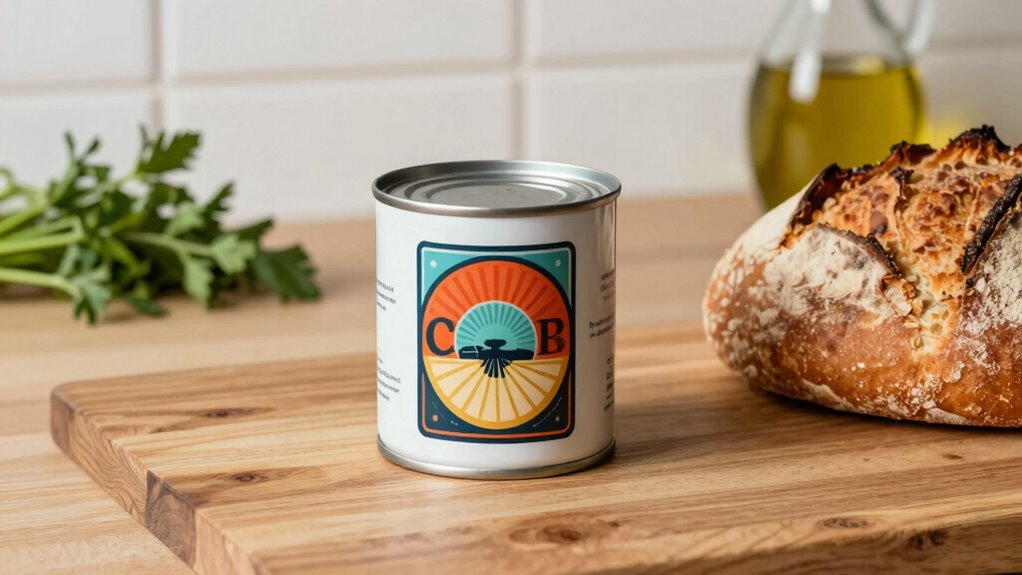
Once considered a simple pantry staple, tinned fish has made a surprising comeback as a trendy gourmet ingredient. You might have remembered it as a quick lunch option or something your grandparents kept on hand, but now, it’s taking center stage in modern kitchens. This shift isn’t just about convenience; it’s driven by a genuine appreciation for sustainability and a nostalgic revival of classic flavors. More consumers are now seeking out tinned fish because they want high-quality, responsibly sourced ingredients that tie them to tradition while embracing contemporary culinary trends.
Sustainable sourcing plays a noteworthy role in this resurgence. You’re increasingly aware of the environmental impact of your food choices, and tinned fish brands are responding by prioritizing responsible fishing practices. Many companies now emphasize sustainable fisheries, ensuring fish populations remain healthy and ecosystems stay balanced. This transparency appeals to you, knowing that enjoying tinned fish doesn’t come at the expense of the ocean’s health. It’s a way to indulge in delicious seafood while supporting responsible practices, which aligns with your values of environmental consciousness. With sustainable fishing practices, consumers can enjoy seafood that’s both delicious and environmentally friendly.
At the same time, there’s a nostalgic revival happening that pulls at your sense of tradition and comfort. Tinned fish evokes memories of simpler times, of family meals and seaside vacations. It’s like a culinary time capsule that connects you to the past, yet it’s being reimagined with modern flavors and presentation. Chefs and home cooks alike are experimenting with artisanal preparations, elevating canned sardines, tuna, mackerel, and anchovies into gourmet ingredients. This blend of history and innovation makes tinned fish both familiar and exciting, appealing to your desire for authenticity and new culinary experiences. Additionally, the improved product quality offered by many brands has made it more appealing for gourmet applications. The rise of artisanal techniques has contributed significantly to the elevated status of canned seafood in gourmet circles. You’re also noticing that the convenience of canned fish fits perfectly into your busy lifestyle. It’s easy to store, quick to prepare, and versatile enough for everything from salads and sandwiches to pasta dishes and tapas. The quality has improved considerably, with many brands offering options packed in olive oil or natural juices, enhancing flavor without added preservatives. The ability to customize recipes with canned seafood makes it an even more adaptable ingredient for your culinary creativity.
All these factors—sustainable sourcing, nostalgic revival, convenience, and quality—have combined to transform tinned fish from an ordinary pantry item into a sought-after gourmet ingredient. You’re now part of a movement that values responsible eating, tradition, and culinary innovation. Tinned fish’s comeback isn’t just a fleeting trend; it’s a reflection of your desire for conscious, flavorful, and adaptable eating choices in today’s food landscape.
As an affiliate, we earn on qualifying purchases.
Frequently Asked Questions
How Long Can Tinned Fish Be Stored Before It Spoils?
You can typically store tinned fish for 3 to 5 years, thanks to its long shelf life. The canning process seals the fish tightly, preventing bacteria and spoilage. Keep the tins in a cool, dry place away from direct sunlight, and check for any signs of damage or bulging before consuming. Proper storage extends freshness, so always follow expiration dates and manufacturer recommendations to enjoy your tinned fish safely.
Are There Health Benefits to Eating Tinned Fish Regularly?
Eating tinned fish regularly offers notable health benefits. You get essential Nutritional advantages like high-quality protein, vitamins, and minerals. Plus, Omega 3 benefits support heart health, reduce inflammation, and boost brain function. Incorporating tinned fish into your diet is convenient and affordable, making it easier to enjoy these health perks consistently. Just make certain you choose varieties with low added salt or preservatives for maximum benefits.
What Are Some Creative Ways to Incorporate Tinned Fish Into Meals?
You can get creative with canned seafood by making fish salads, spreading it on toast, or mixing it into pasta for added flavor. Use fish preservation techniques to craft flavorful spreads or dip, blending in herbs and spices. Incorporate canned seafood into grain bowls or tacos for quick, nutritious meals. These versatile ideas highlight how you can easily enjoy canned seafood in various dishes, making your meals both tasty and convenient.
Is Tinned Fish More Sustainable Than Fresh Fish?
Think of tinned fish as the superhero of sustainable seafood — it often uses eco-friendly packaging and supports sustainable fishing practices. Compared to fresh fish, which can involve energy-intensive transport and overfishing, canned options usually have a smaller environmental footprint. By choosing tinned fish, you help reduce waste and promote responsible fishing, making it a smarter, greener choice for your plate and the planet.
How Does the Flavor of Tinned Fish Compare to Fresh Fish?
The flavor profile of tinned fish is often richer and more concentrated than fresh fish, thanks to the canning process that intensifies its natural flavors. You’ll notice texture differences too; tinned fish tends to be softer and more delicate, making it ideal for spreads or salads. While fresh fish offers a lighter, more delicate taste, tinned fish provides a savory, umami experience that’s perfect for quick, flavorful meals.
As an affiliate, we earn on qualifying purchases.
Conclusion
So, next time you see a tin of fish, don’t dismiss it as outdated. Its resurgence isn’t just about nostalgia; it’s about quality, sustainability, and flavor. Sure, some might think canned fish lacks freshness, but with modern techniques, it often surpasses fresh in taste and convenience. Embracing tinned fish means choosing a versatile, eco-friendly option that’s perfect for quick meals or gourmet creations. Give it a shot—you might just find your new favorite ingredient.
As an affiliate, we earn on qualifying purchases.
As an affiliate, we earn on qualifying purchases.
NFL season / tailgating Picks
team gear
As an affiliate, we earn on qualifying purchases.