
TL;DR

Get kitchen staples and gadgets delivered free with Prime
- Fast, free delivery on millions of items
- Prime Video, Amazon Music and more included
- Member-only deals all year
Beaujolais Nouveau grew from a local harvest tradition into an annual international release, with a fixed date, racing deliveries and elaborate publicity. The account comes from a VinePair article sponsored by Georges Duboeuf, so its promotional claims should be read in that context. The source does not report a new announcement or provide current-year release details.
A sponsored VinePair report describes Beaujolais Nouveau as an early model for the timed, high-profile product launch: the young Gamay wine became an international annual event through a fixed release date, fast deliveries and theatrical promotion. The account traces a shift from a local harvest custom to a coordinated release celebrated in cities around the world.
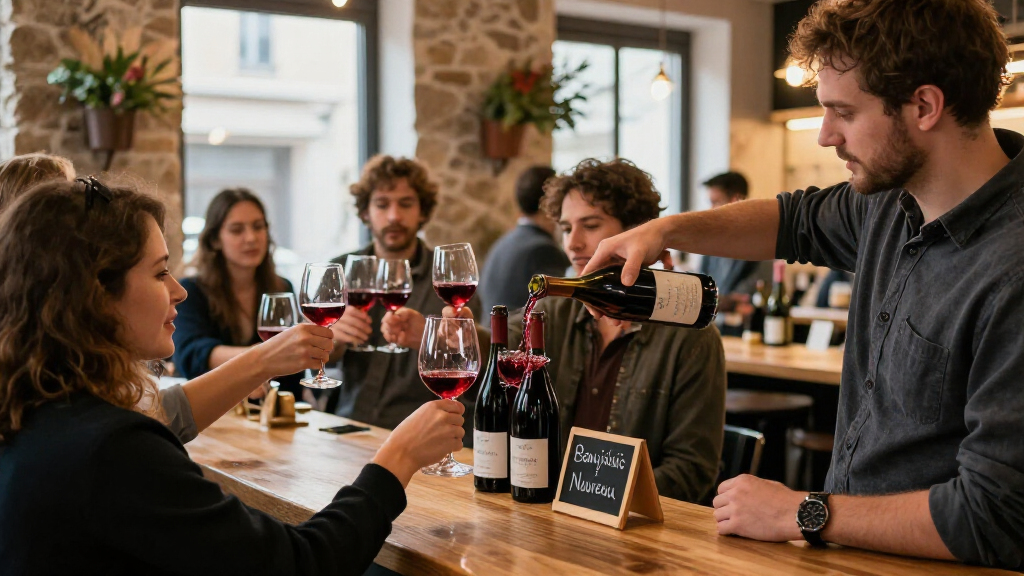
Beaujolais Nouveau is made from Gamay grapes grown in France’s Beaujolais region and is released each year on the third Thursday of November. The wine is made to be consumed soon after harvest rather than aged for years. According to the report, the tradition began locally, then expanded in the 1950s and 1960s as wine merchants and couriers competed to deliver the first bottles from Beaujolais to Paris restaurants and bistros.
The release date was standardized in 1985 by France’s Institut National de l’Origine et de la Qualité, or INAO, at 12:01 a.m. on the third Thursday in November, the article says. That common launch time gave drinkers in different markets a shared occasion. The source describes celebrations extending from Japan to New York, though it does not give attendance or sales figures.
Georges Duboeuf, who founded his négociant house in 1964, helped promote the wine beyond its home region. The report recounts publicity stunts including bottles flown internationally, a 1988 convoy departure led by actor James Coburn on horseback, and a tuxedoed waiter parachuting into Paris with a bottle. It also points to the house’s flowered labels and annual artist collaborations as ways the brand keeps the release visually recognizable.
How a Harvest Wine Became an Event
The story matters because it shows that the mechanics now associated with product “drops” — a fixed launch moment, a limited window of attention and memorable promotion — existed in wine marketing well before social media. In Beaujolais Nouveau’s case, the calendar and the rush to deliver fresh bottles helped turn a seasonal wine into an occasion that retailers, restaurants and consumers could share.
The model also depends on the product itself. The report says the wine is made for quick release and immediate drinking, not long cellaring. Its annual timing links the marketing campaign directly to the harvest, while the November release places it shortly before the U.S. Thanksgiving holiday. The source suggests that freshness and food compatibility help explain its seasonal appeal; it does not establish how popular the wine is today or quantify its commercial impact.
Products Worth Considering

Cuisinart 7-in-1 Air Fryer Toaster Oven Combo, 1800W, TOA-55

Instant Pot RIO Wide 7.5-Quart 7-in-1 Electric Pressure Cooker

Weber Spirit E-325 3-Burner Gas Grill with Sear Zone
As an affiliate, we earn on qualifying purchases.
From Local Custom to Fixed Release
The early custom centered on drinking a wine made only weeks after the grapes were picked. The report says competition to get bottles to Paris in the 1950s and 1960s made speed part of the tradition. The standardized release hour in 1985 formalized that race as a coordinated annual launch rather than leaving the timing to individual merchants.
According to the VinePair account, the grapes are hand-harvested and the wine can move from vine to bottle in roughly six to eight weeks, using carbonic maceration. The resulting style is described as light-bodied, fruit-forward and relatively low in tannin, with raspberry and cherry notes; some drinkers also detect banana or bubblegum. These are tasting descriptions reported by the source, not guarantees for every bottle or vintage.
Duboeuf’s role is central to the article’s account. It describes him as a promoter who built relationships with growers and chefs and popularized the slogan “The Beaujolais Nouveau has arrived!” The article is sponsored by Georges Duboeuf and promotes the producer’s bottle, so its emphasis on the brand’s influence and product appeal should be understood as coming from a commercial feature, not an independent market study.
“The Beaujolais Nouveau has arrived!”
— Georges Duboeuf, as quoted in the VinePair report’s account of his slogan
What the Account Does Not Establish
The source does not provide current sales figures, market share, consumer research or evidence comparing Beaujolais Nouveau’s reach with modern product launches. Its description of the wine as an early version of a viral release is an interpretation of its marketing history, not a measurable claim that it was the first or most successful example.
The article also does not give details about a specific upcoming vintage, this year’s production, prices or availability by location. Its retailer list and product references are part of a sponsored feature and may not reflect current stock. Tasting notes and style can vary by producer and vintage.
The Next November Release
The annual release is scheduled for the third Thursday of November. Consumers looking for a particular bottle should check with local retailers for current stock and vintage information; the source lists independent wine shops, Whole Foods Market, Trader Joe’s and Total Wine & More for Georges Duboeuf’s wine but does not confirm availability at any individual store.
For drinkers, the next release renews the same format: a young wine tied to the harvest, arriving on a synchronized date. The provided report does not announce a change to that schedule or identify a new campaign, so any details about the next vintage’s production or promotion remain unconfirmed here.
Key Questions
What is Beaujolais Nouveau?
It is a young red wine made from Gamay grapes grown in France’s Beaujolais region and released soon after harvest. The VinePair report describes it as light-bodied and fruit-forward, intended for near-term drinking rather than extended aging.
When is Beaujolais Nouveau released?
It is released annually on the third Thursday of November. The report says the release time was standardized in 1985 to 12:01 a.m.
Why is it compared with modern product drops?
The comparison comes from its fixed launch time, competition to deliver bottles quickly and use of publicity stunts to build anticipation. Calling it wine’s “original viral release” is an interpretive framing, not a quantified finding in the source.
Does the report confirm where the wine is available now?
No. It names several U.S. retailers for Georges Duboeuf Beaujolais Nouveau, but the article is sponsored and does not verify current inventory or availability at specific locations. Check with a local retailer for the latest information.
Source: vinepair.com