
Heirloom foods are capturing your attention because they offer richer flavors and connect you to cultural traditions. As more people seek sustainable practices, supporting biodiversity and local farmers becomes important. These foods often taste better and are grown with care, helping preserve unique varieties and ecosystems. If you want to understand why heirloom foods are shaping the future of food culture, there’s much more to explore below.
Key Takeaways
- Consumers seek authentic flavors and cultural heritage linked to heirloom varieties.
- Support for biodiversity and preservation of unique, traditional crops drives popularity.
- Heirloom foods offer richer, more complex flavors compared to mass-produced options.
- Sustainable farming practices associated with heirlooms promote ecological health and resilience.
- Growing awareness of environmental and cultural preservation sustains their modern appeal.
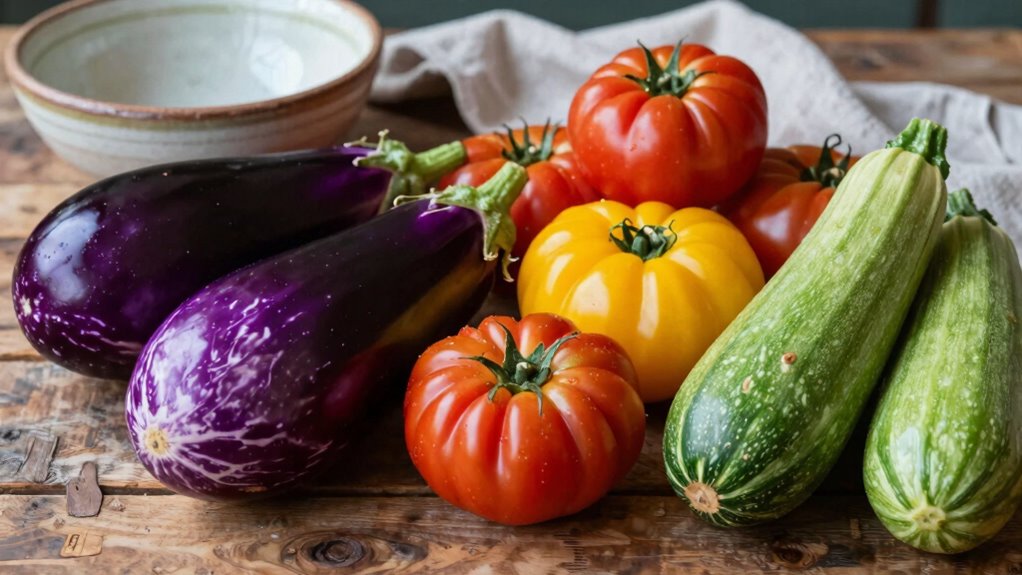
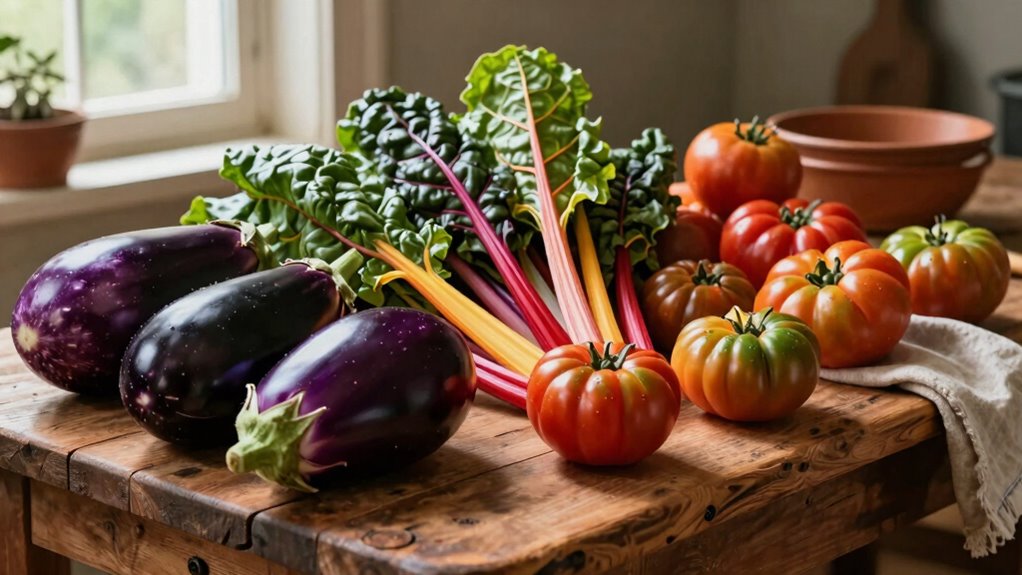
In recent years, heirloom foods have gained renewed attention as consumers seek out flavors and varieties that traditional agriculture often overlooks. You’re drawn to the stories behind these foods—the history, the craftsmanship, the uniqueness of each variety. Heirloom foods aren’t just about taste; they represent a connection to the past and a commitment to preserving biodiversity. Central to this movement is seed preservation, which guarantees that rare and traditional varieties survive for future generations. You might find yourself seeking out heirloom seeds at local markets or seed exchanges, knowing that each seed holds the legacy of heritage farming practices. These practices emphasize growing food in ways that respect natural cycles and local ecosystems, often relying on time-tested methods passed down through generations. seed preservation plays a crucial role in maintaining the genetic diversity that sustains these unique varieties. By engaging in seed preservation, you actively participate in maintaining genetic diversity that commercial farming sometimes neglects. Instead of relying on mass-produced seeds engineered for uniformity and durability, you’re choosing to support varieties that have evolved naturally over decades or even centuries. This practice helps safeguard flavors and nutritional qualities that are often lost in modern hybrid or GMO crops. Heritage farming, which is closely tied to seed preservation, emphasizes sustainable methods and a deep understanding of local soil, climate, and crop needs. When you support heritage farms, you’re advocating for agricultural resilience and a richer, more varied food landscape. It’s about reconnecting with traditional techniques, like saving seeds from season to season, that foster a sense of stewardship and self-sufficiency. Your interest in heirloom foods aligns with a broader desire to diversify what’s available on your plate. You recognize that these foods aren’t just nostalgic; they often taste better and offer more complex flavors than their mass-produced counterparts. As you explore farmers’ markets or community-supported agriculture programs, you may notice that heirloom varieties are often grown with care, emphasizing quality over quantity. This approach sustains heritage farming practices, which prioritize local seed saving and crop diversity, rather than monoculture. Additionally, biodiversity is essential for resilient ecosystems and long-term food security. Supporting these practices helps foster agricultural resilience, ensuring that local communities are better equipped to adapt to environmental changes. Incorporating traditional farming techniques can also enhance the ecological balance of local environments, promoting healthier ecosystems. Embracing seed saving techniques is vital for maintaining these diverse varieties and safeguarding the future of heirloom foods. Your choice to support heirloom foods and their associated practices helps keep these age-old traditions alive, ensuring that future generations can experience the rich flavors and cultural heritage they embody. In doing so, you’re not only enjoying better-tasting food but also contributing to a more sustainable and diverse food system.

55 Vegetable Seeds Variety Pack – 35,600+ Non-GMO Heirloom Seeds for Planting Vegetables and Fruits in Individual Seed Packets, Home Garden Seeds for Hydroponic, Indoor and Outdoors Gardening
- Variety of 55 Vegetable Seeds: Includes popular heirloom seeds for diverse vegetables
- Non-GMO and Heirloom Seeds: Pure, non-GMO seeds for healthy gardening
- Over 35,600 Seeds Included: Large quantity for extensive planting needs
As an affiliate, we earn on qualifying purchases.
As an affiliate, we earn on qualifying purchases.
Frequently Asked Questions
How Do Heirloom Foods Impact Local Biodiversity?
Heirloom foods positively impact local biodiversity by supporting traditional farming methods that preserve unique plant varieties. You help maintain genetic diversity, which strengthens ecosystems and makes crops more resilient to pests and climate change. When you choose heirloom foods, you’re encouraging the cultivation of diverse, native plants instead of uniform, commercial varieties. This diversity helps sustain local wildlife and keeps agricultural landscapes vibrant and sustainable for future generations.
Are Heirloom Seeds More Resistant to Pests and Diseases?
Think of heirloom seeds as a resilient garden army. They often boast greater genetic diversity, which enhances pest resistance and resilience against diseases. Unlike mass-produced varieties, these seeds adapt better to local pests and environmental challenges. By choosing heirloom, you’re strengthening your garden’s natural defenses, making your plants more resistant and sustainable. This genetic richness not only protects your crops but also preserves an essential legacy for future generations.
What Are the Cost Differences Between Heirloom and Commercial Foods?
You’ll find that heirloom foods often cost more than commercial options due to their smaller scale, labor-intensive cultivation, and limited supply. The cost comparison shows heirlooms usually have higher prices, but many believe the nutritional differences justify the expense, as heirloom varieties often retain richer flavors and nutrients. While you’ll pay more upfront, you gain in quality, flavor, and biodiversity, making heirlooms a worthwhile investment for passionate food lovers.
How Can Consumers Verify the Authenticity of Heirloom Products?
To verify the authenticity of heirloom products, you should look for clear certification methods like organic or heritage labels from trusted organizations. Ask vendors about their sourcing and cultivation practices, as transparency is key. Research the specific heirloom variety to guarantee it matches the description. You can also request provenance documentation or third-party verification to confirm the product’s authenticity, guaranteeing you’re getting genuine heirloom foods.
Do Heirloom Foods Have a Longer Shelf Life Than Modern Varieties?
Heirloom foods generally don’t have a longer shelf life than modern varieties because they’re often less bred for shelf stability. However, their flavor preservation and nutrient density are superior, making them worth consuming sooner. You’ll notice richer flavors and more nutrients, but you should store them properly and consume them promptly to enjoy their full benefits. Their freshness and quality matter more than longevity when it comes to heirlooms.
55 Vegetable Seeds Variety Pack – 35,600+ Non-GMO Heirloom Seeds for Planting Vegetables and Fruits in Individual Seed Packets, Home Garden Seeds for Hydroponic, Indoor and Outdoors Gardening
- Variety of 55 Vegetable Seeds: Includes popular heirloom seeds for diverse vegetables
- Non-GMO and Heirloom Seeds: Pure, non-GMO seeds for healthy gardening
- Over 35,600 Seeds Included: Large quantity for extensive planting needs
As an affiliate, we earn on qualifying purchases.
As an affiliate, we earn on qualifying purchases.
Conclusion
So, don’t dismiss the charm of heirloom foods—they’re more than mere morsels of history. Their unique flavors foster fresher feasts, and their preservation promotes plant diversity. By choosing heirloom, you’re supporting sustainable, soulful farming and savoring stories in every bite. Keep curiosity kindled, and let heirloom foods help you reconnect with nature’s nourishing nuances. Ultimately, these time-tested treasures tease your taste buds and teach you the true taste of tradition.

Douorgan Seed Storage Box, Portable Seed Saving Box, Sturdy Seed Organizer Kit Seed Envelopes Funnel Label, Seed Container for Flower Plants Vegetable Seed, M-60 Slots
- Lightproof Seed Storage: Keeps seeds safe and protected from light
- Secure Bottle Holders: Tight sponge slots prevent mess during travel
- Twist-off Bottle Lids: Ensures seeds won't fall out or open accidentally
As an affiliate, we earn on qualifying purchases.
As an affiliate, we earn on qualifying purchases.

Sereniseed Certified Organic Tomato Seeds (10-Pack) – Non GMO, Open Pollinated – Cherokee Purple, Chocolate Cherry, Green Zebra, Brandywine Pink, Black Krim and More – Tomato Seeds for Planting
- Certification: USDA Certified Organic by Oregon Tilth
- Varieties Included: 10 tomato varieties for planting
- Seed Freshness: Packed fresh for current and next year
As an affiliate, we earn on qualifying purchases.
As an affiliate, we earn on qualifying purchases.