Before building a better knife routine, focus on mastering safety basics like cutting away from your body, keeping fingers clear of blades, and storing knives securely. Learn proper handling techniques and develop a regular maintenance schedule to keep your blades sharp and effective. Practicing sharpening skills with the right tools also boosts safety and efficiency. If you follow these fundamentals, you’ll gain confidence and improve your skills—there’s plenty more to discover for a safer, more sustainable approach.
Listen free for 30 days with Audible
Thousands of audiobooks and originals — cancel anytime.
As an affiliate, we earn on qualifying purchases.
Key Takeaways
- Assess the condition of your knives and identify when they need sharpening or replacement.
- Prioritize proper handling techniques to prevent accidents and promote safety.
- Incorporate regular maintenance and sharpening into your routine for optimal performance.
- Use stable cutting surfaces and focus on cutting away from your body.
- Develop a consistent schedule to enhance safety, efficiency, and tool longevity.

Have you ever wondered how to make your knife routine more efficient and enjoyable? The key lies in understanding essential safety practices and sharpening techniques. Knife safety is the foundation of any good routine. If you’re careless or inconsistent, accidents can happen, and a dull knife can be even more dangerous than a sharp one because it requires more force and can slip. Always handle your knives with respect—cut away from your body, keep your fingers clear of the blade, and store knives securely when not in use. Use a stable cutting surface, and avoid distractions while working. Taking these precautions not only prevents injuries but also boosts your confidence as you work. Proper blade maintenance is essential for ensuring your knives remain safe and effective over time. Maintaining your knives properly also supports biodiversity by reducing waste and the need for frequent replacements, contributing to more sustainable practices. Regularly inspecting your knives for signs of wear can help you address issues early and extend their lifespan. Incorporating safe handling techniques into your routine can further enhance your overall safety and efficiency.
Prioritize safety by handling knives carefully, cutting away from your body, and storing blades securely to prevent accidents.
Sharpening techniques are equally crucial. A dull knife isn’t just frustrating; it’s unsafe, because it requires more pressure and can slip easily. To build a better knife routine, you need to develop a consistent sharpening practice. Start with the right tools—whether it’s a whetstone, honing rod, or electric sharpener—and learn the proper angles for your blades. For most kitchen knives, maintaining a 15-20 degree angle is ideal. When sharpening, focus on even strokes, applying consistent pressure, and ensuring both sides of the blade receive equal attention. Over time, this develops a sharp, balanced edge that cuts effortlessly and reduces the risk of slips. A good sharpening routine also minimizes food waste by ensuring precise cuts, which is beneficial for sustainable living.
Incorporating regular sharpening into your routine keeps your knives in top shape, saving you time and effort. It also helps you recognize when a blade needs more than just honing, prompting you to sharpen correctly rather than resorting to quick fixes or neglect. Remember, safety doesn’t end at handling; it extends to maintaining your tools properly. Keeping your knives sharp not only improves safety but also makes your prep work more precise and enjoyable. You’ll notice that a well-maintained, sharp knife makes chopping, slicing, and dicing smoother and more accurate. Developing a consistent maintenance routine can also help you detect when blades need professional sharpening or replacement.
Building a better knife routine starts with these fundamentals. Prioritize knife safety by handling blades carefully and storing them properly. Invest time in learning and practicing sharpening techniques to keep your knives sharp and effective. When you combine these elements, your routine becomes more efficient, safer, and a lot more enjoyable. It’s about creating a mindful, consistent approach that respects your tools and your safety, transforming everyday tasks into a seamless and satisfying experience. Emphasizing sustainable practices in your kitchen can also positively impact the environment by reducing resource consumption and waste.
As an affiliate, we earn on qualifying purchases.
Frequently Asked Questions
What Types of Knives Should Beginners Start With?
As a beginner, start with a versatile chef’s knife and a paring knife. These are great for practicing proper knife handling and mastering basic cuts. Choose knives with comfortable handles and good balance. Always store your knives safely in a knife block or on a magnetic strip to prevent accidents and keep blades sharp. Focusing on these essentials helps you build confidence and develop good habits early on.
How Often Should I Sharpen My Knives?
You should sharpen your knives regularly, ideally every 1-2 weeks, depending on use. Proper knife storage prevents dullness, so store knives safely to maintain sharpness longer. When sharpening, use the right techniques, like honing with a steel for daily maintenance and occasional sharpening with a whetstone or electric sharpener. Consistent care keeps your knives performing well, ensuring safety and efficiency in your kitchen.
What Safety Precautions Are Essential During Knife Use?
You should always wear protective gear like cut-resistant gloves and guarantee proper knife storage to prevent accidents. Keep your knives sharp, and handle them carefully, avoiding distractions. When using knives, cut away from your body and focus on your task. Store knives securely in a knife block or sheath to prevent injuries. Being cautious and organized minimizes risks and keeps your kitchen safe for everyone.
Can I Use Household Tools for Knife Maintenance?
You can use household tools for knife maintenance, but be cautious—about 60% of DIY hacks lead to common mistakes that can damage your blades. Sharp objects like scissors or kitchen abrasives might seem convenient, yet they often cause uneven edges or rust. Always prioritize proper sharpening tools designed for knives to guarantee safety and longevity. Using the right equipment helps you avoid mistakes and keeps your blades in top condition.
How Do I Choose the Right Knife for Specific Tasks?
You should choose a knife based on its ergonomics and blade materials suited for specific tasks. Look for a handle that feels comfortable and provides a secure grip to reduce fatigue. For the blade, consider materials like high-carbon stainless steel for durability and ease of maintenance, or softer steels for easier sharpening. Matching the knife’s design and materials to your tasks guarantees better control, safety, and efficiency in your routine.
As an affiliate, we earn on qualifying purchases.
Conclusion
Now that you know the essentials, are you ready to refine your knife routine and elevate your skills? Remember, consistency and attention to detail make all the difference. By practicing intentionally and embracing proper techniques, you’ll not only improve your efficiency but also enjoy the process more. So, why settle for a mediocre routine when you have the power to build something better? Start today, and watch your craftsmanship sharpen with every cut.
As an affiliate, we earn on qualifying purchases.
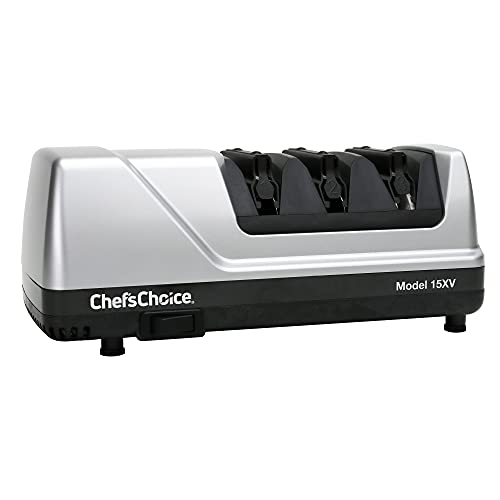
Chef’sChoice 15XV EdgeSelect Professional Electric Knife Sharpener with 100-Percent Diamond Abrasives and Precision Angle Guides for Straight Edge and Serrated Knives, 3-Stage, Gray
- Edge Conversion: Converts factory edges to Trizor XV
- Diamond Abrasives: 100% diamond abrasives for sharpening
- User-Friendly Design: Flexible guides and simple on/off switch
As an affiliate, we earn on qualifying purchases.
As an affiliate, we earn on qualifying purchases.
College move-in / dorm season Picks
dorm essentials
As an affiliate, we earn on qualifying purchases.