
TL;DR

Get kitchen staples and gadgets delivered free with Prime
- Fast, free delivery on millions of items
- Prime Video, Amazon Music and more included
- Member-only deals all year
A recent Kitchn report shares a simple way to add garam masala to buttered noodles: bloom about 1/4 teaspoon in melted butter for 10 seconds, then toss with hot pasta, pasta water and Parmesan. The method is a cooking tip, not a reported study or a claim of a measured health or taste effect.
The Kitchn has published a tip for giving buttered noodles a warmer, more aromatic flavor: briefly bloom about 1/4 teaspoon of garam masala in melted butter before adding hot pasta and Parmesan. The report presents the method as a personal kitchen recommendation, not as a tested comparison or a claim that the spice improves nutrition.
The article’s writer says the idea came from a brother whose buttered noodles seemed more aromatic than the writer’s usual butter-and-cheese pasta. When asked about the difference, he said he added garam masala to melted butter. The writer then describes using the spice as an easy variation on a familiar weeknight dish.
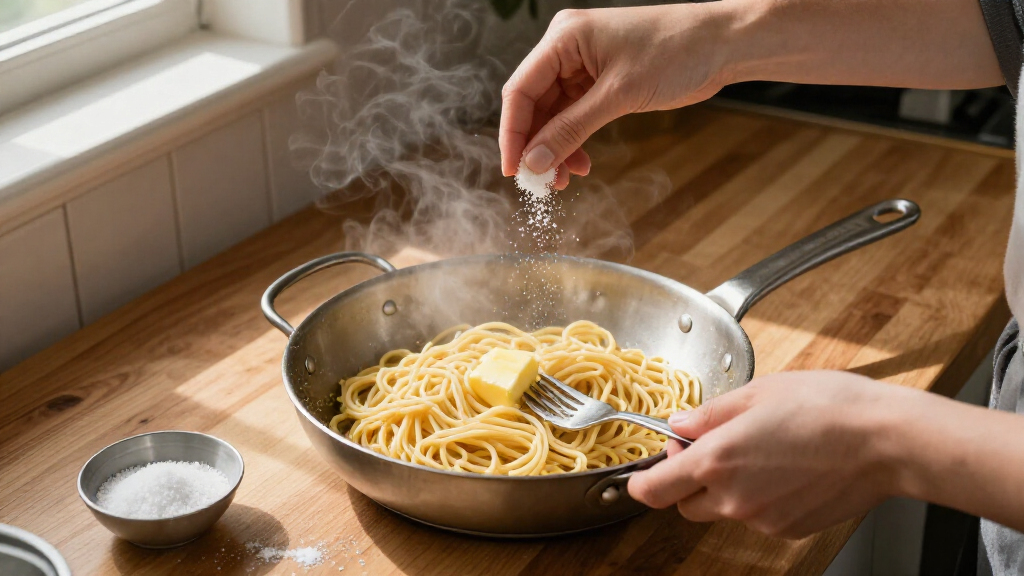
The suggested amounts are two tablespoons of unsalted butter, a generous pinch of garam masala—about 1/4 teaspoon—and eight ounces of freshly boiled pasta. The spice is stirred into the butter over medium-low heat for roughly 10 seconds, until fragrant. The pasta goes into the skillet with a splash of reserved cooking water; the pan is removed from the heat before folding in 1/4 cup freshly grated Parmesan.
The source advises keeping the heat low because finely ground spices can burn quickly in hot butter. It says diners who want a stronger spice flavor can increase the amount to 1/2 teaspoon. The pasta is intended to be served hot. The recipe contains dairy from butter and Parmesan; the article does not provide substitutions or detailed allergen guidance.
A Small Change to Weeknight Pasta
The suggestion is relevant to readers looking for a quick way to vary a basic pasta meal without changing its main ingredients or adding a lengthy cooking step. The spice is added during the butter stage, so the method fits into the preparation of noodles that are already being boiled. The source frames the result as a cozy, warming variation, particularly suited to fall meals.
Garam masala is a blend rather than a single spice, and the report describes it as containing warm, sweet spices such as cinnamon, clove, nutmeg and cardamom. A small amount can change the dish’s aroma and flavor profile while butter, pasta and cheese remain central. That is a culinary suggestion, not evidence that every blend has the same ingredients or that all readers will prefer the result.
The practical detail is in the timing: a brief bloom in warm butter is meant to release the spices’ aroma, while low heat and a short cooking period reduce the risk of scorching. For cooks trying the idea, the difference between fragrant and burnt seasoning may depend on the stove, pan and butter temperature, so the article’s timing is guidance rather than a guaranteed result.
Products Worth Considering

Cuisinart TOA-70NAS Air Fryer Toaster Oven, 1800W, 8-in-1, Stainless Steel

Breville Bambino Espresso Machine, Brushed Stainless Steel

Instant Pot RIO Wide 7.5-Quart 7-in-1 Electric Pressure Cooker
As an affiliate, we earn on qualifying purchases.
How the Spice Enters the Sauce
The Kitchn report contrasts the tip with a basic butter-and-cheese pasta dish. Its writer describes buttered fettuccine as a regular easy dinner and says the brother’s version had a more pronounced, comforting aroma. The reported discovery is a household cooking trick shared by a family member, rather than a new product, restaurant launch or formal recipe test.
The method uses reserved pasta water alongside butter and grated cheese. The source says to add a splash as the hot noodles are tossed in the pan, then remove the skillet from the heat before adding Parmesan. The article describes the cheese as helping form a silky coating, but it does not specify an exact amount of pasta water, a particular pasta shape, or a standardized result.
The original report also carries a standard disclosure that The Kitchn may earn a commission if readers buy products through links. No product recommendation is central to this cooking tip, and the provided material does not report sales, reader testing or independent verification.
“He swaps the standard plain butter for melted butter with a pinch of garam masala powder.”
— The Kitchn writer, describing the brother’s method
What the Cooking Tip Does Not Establish
The source provides a personal recommendation, not a controlled tasting or comparison. It does not report how many people tried the noodles, whether the dish was tested against a version without garam masala, or whether readers generally prefer the added spice. Descriptions such as “cozy” and “aromatic” reflect the writer’s account rather than measured findings.
The report does not give a precise quantity for the reserved pasta water, specify the ingredients or proportions of a particular garam masala blend, or set out alternatives for people avoiding dairy. It also does not provide nutrition information. Readers should check the label on their spice blend and Parmesan if they have dietary restrictions; the recipe as described includes milk products.
How Readers Can Try the Method
The source gives no follow-up test, scheduled update or further reporting. Readers who want to try the idea can start with the stated 1/4 teaspoon, keep the butter over medium-low heat and add the hot noodles soon after the spice becomes fragrant. The article suggests moving up to 1/2 teaspoon for a bolder flavor, while cautioning against overheating the spice.
Because garam masala blends and kitchen equipment vary, the finished flavor may differ from the writer’s description. The provided report does not say whether The Kitchn plans to publish reader feedback or additional testing, so any broader response to the tip remains unknown.
Key Questions
What is the suggested amount of garam masala?
The Kitchn recommends starting with about 1/4 teaspoon for eight ounces of pasta. It says cooks seeking a stronger flavor can use up to 1/2 teaspoon.
When should the garam masala go into the pan?
Stir it into melted butter over medium-low heat and let it bloom for about 10 seconds, until fragrant. Add the hot pasta promptly; the report warns that the finely ground spices can burn quickly.
What else goes into the noodles?
The described method uses two tablespoons of unsalted butter, eight ounces of hot cooked pasta, a splash of reserved pasta water and 1/4 cup of freshly grated Parmesan.
Does the report show that garam masala makes noodles better?
No. It shares a personal cooking tip and the writer’s impression of the flavor. The material does not describe a controlled taste test or establish that the result is better for everyone.
Are there dietary considerations?
The recipe includes butter and Parmesan, both dairy products. The report does not provide substitutions or nutrition details, so people with allergies or dietary restrictions should check ingredient labels and choose alternatives suited to their needs.
Source: thekitchn.com