
TL;DR

Get kitchen staples and gadgets delivered free with Prime
- Fast, free delivery on millions of items
- Prime Video, Amazon Music and more included
- Member-only deals all year
A Good Housekeeping report based on interviews with design experts describes five kitchen trends for 2027: darker colors, layered materials, durable choices, integrated cooking technology and kitchens planned as the starting point for the wider home. The report presents these as directions designers are seeing, not as quantified industry-wide findings.
A Good Housekeeping report drawing on interviews with kitchen and interior design experts identifies five directions it says are taking hold in 2027: bolder color, more layered finishes, longer-lasting materials and products, technology built into cooking, and kitchens planned as the organizing point for the home. The report offers designers’ observations rather than survey data or sales figures, so it does not establish how widely homeowners are adopting each trend.
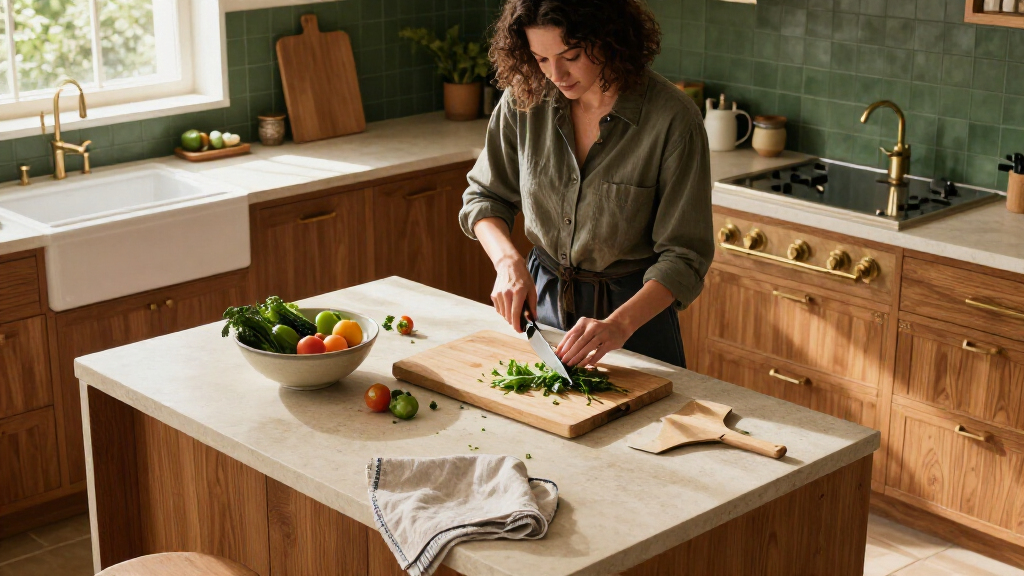
The first two trends concern how kitchens look and work. Designers interviewed by the magazine describe a move away from stark white rooms toward darker, more distinctive palettes, as well as away from sets of matching finishes. Instead, clients are combining cabinet styles and materials, including warm wood, stone and metal. The report also notes interest in practical features such as built-in cutting boards and workstation sinks, designed to support food preparation while contributing to the room’s appearance.
The other three trends focus on durability, cooking tools and planning. Designer Mick De Giulio says homeowners are considering authentic materials and enduring craftsmanship, including real stone and wood, alongside appliances selected for performance. Leyden Lewis describes technology such as ovens with interior cameras, guided or automated recipes, and combination steam and speed ovens. The final trend treats the kitchen not as a room added late in a project, but as an early reference point for a home’s materials, layout and connections to nearby spaces.
How Kitchens Shape the Whole Home
Together, the trends point to a kitchen being treated as both a working space and a central part of a home’s design. The emphasis on useful features and cooking performance matters to people who prepare meals regularly, while material choices and links to adjoining rooms can affect how an open-plan home looks and functions.
The report also describes a potential trade-off for homeowners: investing more upfront in craftsmanship, durable finishes or higher-performing appliances in the hope they remain useful and appealing as needs change. That is a design rationale reported by De Giulio, not a guarantee of lower costs over time. Buyers would still need to weigh price, maintenance and their own cooking habits against the expected lifespan of a product or material.
Products Worth Considering

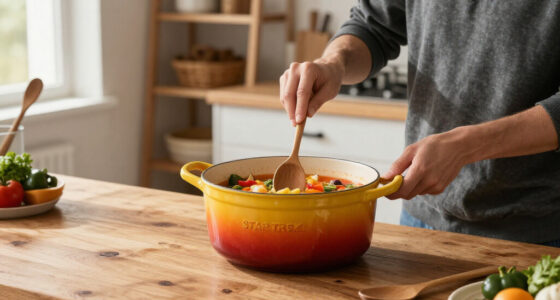
Le Creuset Signature 6.5-Quart Deep Round Dutch Oven with Light Gold Crucible Knob, Enameled Cast Iron, Bleu Riviera

Ninja Crispi Glass Air Fryer (Stone) – 4‑in‑1

Instant Pot Vortex Plus 10-Quart 7-in-1 Air Fryer Oven
As an affiliate, we earn on qualifying purchases.
Five Directions From Design Interviews
The report frames these ideas as 2027 kitchen design trends and attributes them to conversations with practitioners, including Kristin Harrison, Leyden Lewis and Mick De Giulio. Their comments connect the shifts to a desire for spaces that feel more personalized, support cooking and entertaining, and remain relevant as household routines change.
In that framing, a layered kitchen is not simply a decorative choice: mixed finishes and working elements are meant to make the room usable while giving it an individual character. Likewise, “futureproofing” describes a preference for materials and appliances intended to last, while integrated technology is presented as a way to expand home cooking options without making the kitchen feel dominated by devices.
““The safe bet has always been white or cream, but there is a yearning for something that looks much more customized now.””
— Kristin Harrison, Miele Master and founder of Georgia & Hunt Design House, as quoted by Good Housekeeping
How Broad Is Adoption?
The supplied report does not provide survey results, market data or adoption rates to show how many homeowners are choosing these designs or how quickly the trends are spreading. Its descriptions are based on expert interviews, and the experts’ client experiences may not represent all budgets, regions or types of housing.
It is also unclear which specific colors, finishes or appliance models will become common, or whether the proposed long-term value of higher-cost materials and equipment will be borne out for individual households. The report describes design preferences and intentions; it does not compare product lifespans, prices or performance across brands.
Choices Homeowners Can Track
The report does not announce a formal industry forecast or name a next research milestone. For readers planning a renovation, the practical next step is to compare these design directions with budget, cooking routines, maintenance needs and the home’s layout. That can mean checking appliance specifications, sampling materials in the room’s lighting, and deciding whether mixed finishes and integrated devices suit daily use.
Whether the five directions gain wider adoption will become clearer through future projects, product launches and market reporting. Until comparable data are available, the report is best read as a snapshot of what the interviewed designers say they are seeing—not a measure of the entire kitchen market.
Key Questions
What are the five kitchen trends named in the report?
The report lists bolder color palettes, layered finishes, durable materials and craftsmanship, integrated cooking technology, and planning the kitchen as a starting point for the wider home.
Does the report show that most homeowners are adopting these trends?
No. It is based on interviews with design experts and does not provide survey results, sales data or a measure of how common the trends are.
What does integrated kitchen technology mean here?
Examples cited by designer Leyden Lewis include ovens with interior cameras, guided or automated recipes, and combination steam and speed ovens. The report says designers may incorporate them so the technology does not dominate the room’s appearance.
Does choosing durable materials guarantee long-term savings?
No. The report describes an intention to invest in materials and products that may remain useful and appealing longer. It does not provide cost comparisons or guarantee that higher upfront spending will save money for every homeowner.
Source: goodhousekeeping.com