
TL;DR
The USDA has issued a food safety alert for chicken products sold in nine states due to contamination concerns. The alert involves potential health risks and recalls, but the specific contamination details are still emerging. This development impacts consumers, retailers, and public health efforts.
The United States Department of Agriculture (USDA) has issued a public health alert concerning chicken products sold across nine states. The alert was issued on March 15, 2024, after detection of potential contamination that could pose health risks to consumers. This is the first confirmed step to prevent exposure to possibly unsafe chicken, prompting recalls and heightened safety measures.
The USDA’s Food Safety and Inspection Service (FSIS) announced the alert following laboratory tests indicating the presence of Salmonella bacteria in certain chicken products. The affected states include California, Texas, Florida, Illinois, Ohio, Pennsylvania, Georgia, North Carolina, and Michigan. The specific brands and batch numbers involved have not yet been fully disclosed, but the USDA has advised consumers to check their purchases and avoid consuming the implicated products.
According to the USDA, the contaminated chicken was distributed through various retail outlets, including supermarkets and local grocery stores. The agency has initiated a recall of the affected products, and retailers have been instructed to remove these from shelves. No reports of illness have yet been confirmed, but health officials warn that Salmonella exposure can cause severe gastrointestinal illness, especially in vulnerable populations.
Why the Chicken Safety Alert Matters for Consumers
This alert highlights ongoing food safety concerns related to poultry products in the U.S., emphasizing the importance of proper handling and cooking. Salmonella contamination can lead to serious health issues, particularly in children, the elderly, and immunocompromised individuals. The recall aims to prevent potential outbreaks and protect public health.
For consumers, this underscores the need to verify product labels, adhere to safe cooking temperatures (165°F for poultry), and stay informed about recalls through official channels. It also raises questions about supply chain safety and the effectiveness of existing inspection processes.
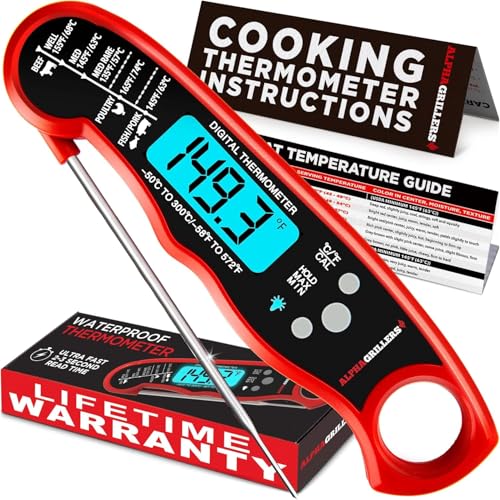
Alpha Grillers Meat Thermometer Digital – Instant Read Food Thermometer for Cooking & Grilling – Professional Kitchen Birthday Gifts for Men, Him, Dad, Husband, Boyfriend
Instant Read Food Thermometer | Our instant read thermometer features a temperature probe and advanced, highly accurate technology…
As an affiliate, we earn on qualifying purchases.
As an affiliate, we earn on qualifying purchases.
Background on Food Safety Incidents in Poultry Products
Food safety concerns related to chicken and poultry products are not new in the U.S. The USDA and FDA regularly monitor for pathogens like Salmonella and Campylobacter. Previous outbreaks have led to recalls and increased inspections, but contamination incidents still occur periodically. In 2022, similar alerts prompted recalls of chicken products in multiple states due to bacterial contamination.
This recent alert follows a pattern of ongoing challenges in poultry safety, with the USDA intensifying testing and oversight efforts amid rising consumer demand for safe, locally sourced food. The current incident is part of broader efforts to reduce foodborne illnesses linked to raw poultry.
“We are actively investigating the source of contamination and working with retailers to remove affected products from shelves to ensure consumer safety.”
— USDA Food Safety and Inspection Service

SPLF 6 Pack Reusable Gallon Freezer Bags Dishwasher Safe, BPA FREE Reusable Food Storage Bags, Extra Thick Leakproof Silicone Free 1 Gallon Bags for Marinate Meat, Cereal, Sandwich, Snack, Travel Item
Food Grade Material: Choose SPLF brand for Truly food-grade reusable storage bags. Made of extra thick food-grade Peva…
As an affiliate, we earn on qualifying purchases.
As an affiliate, we earn on qualifying purchases.
Details Still Unclear on Contamination Scope and Source
It is not yet clear exactly which brands or batches of chicken are affected, nor the source of contamination. The USDA has not disclosed specific supplier information or the extent of distribution. Investigations are ongoing, and more details are expected in the coming days.
Additionally, it remains uncertain whether there have been any reported illnesses linked to the contaminated chicken, as no official cases have been confirmed yet.

Salmonella Test Kit for Foods, Food Processing Areas, All Surfaces, Environments, Solids and Liquids (Pack of 1)
Swab any sample, and test for Salmonella contamination.
As an affiliate, we earn on qualifying purchases.
As an affiliate, we earn on qualifying purchases.
Consumers are advised to check their chicken products against the USDA’s recall notices and avoid consuming any products identified as affected. Retailers will continue removing contaminated products from shelves, and further details on the scope of the recall are expected soon.
The USDA and health officials will monitor for any reports of illness and conduct further testing to identify contamination sources. Additional public warnings or recalls may follow depending on investigation results.
Alpha Grillers Meat Thermometer Digital – Instant Read Food Thermometer for Cooking & Grilling – Professional Kitchen Birthday Gifts for Men, Him, Dad, Husband, Boyfriend
Instant Read Food Thermometer | Our instant read thermometer features a temperature probe and advanced, highly accurate technology…
As an affiliate, we earn on qualifying purchases.
As an affiliate, we earn on qualifying purchases.
Key Questions
Which chicken brands are affected by the USDA alert?
The USDA has not yet disclosed specific brands or batch numbers involved in the current alert. Consumers should check USDA recall notices regularly for updates.
What should I do if I have purchased chicken from the affected areas?
Check your chicken products against USDA recall notices, and if affected, return them to the store or dispose of them safely. Cook poultry to an internal temperature of 165°F to kill bacteria.
Are there any reported illnesses related to this alert?
As of now, no confirmed cases have been linked to the contaminated chicken. Health officials are monitoring the situation.
How can I ensure my chicken is safe to eat?
Always cook chicken to an internal temperature of 165°F, wash hands and surfaces thoroughly, and avoid cross-contamination. Stay informed about recalls through official USDA updates.
Source: google-trends