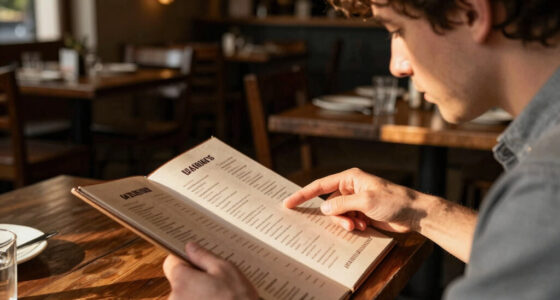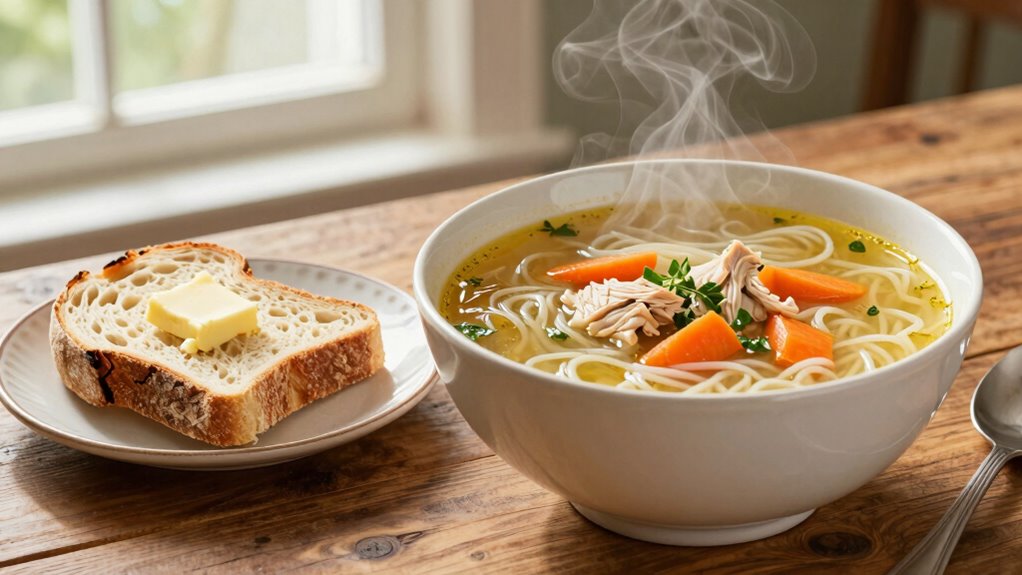

Food nostalgia drives what you cook because it connects you to your culture, memories, and emotions. Recreating familiar flavors brings comfort, reminding you of family, tradition, and special moments. It’s also a way to honor your heritage and keep stories alive across generations. Your choice to cook these dishes reflects a deep desire for connection and security. If you want to understand how these feelings shape your kitchen habits, keep exploring this fascinating topic.
Key Takeaways
- Food nostalgia connects people to their cultural heritage, traditions, and personal memories, motivating them to recreate familiar dishes.
- Nostalgic foods provide emotional comfort and a sense of security during stressful or uncertain times.
- Cooking traditional recipes helps preserve cultural identity and family bonds across generations.
- Awareness of ecological sustainability influences choices to prepare nostalgic dishes with environmentally friendly ingredients.
- Recreating childhood flavors acts as a means of remembrance, maintaining cultural continuity and personal history.
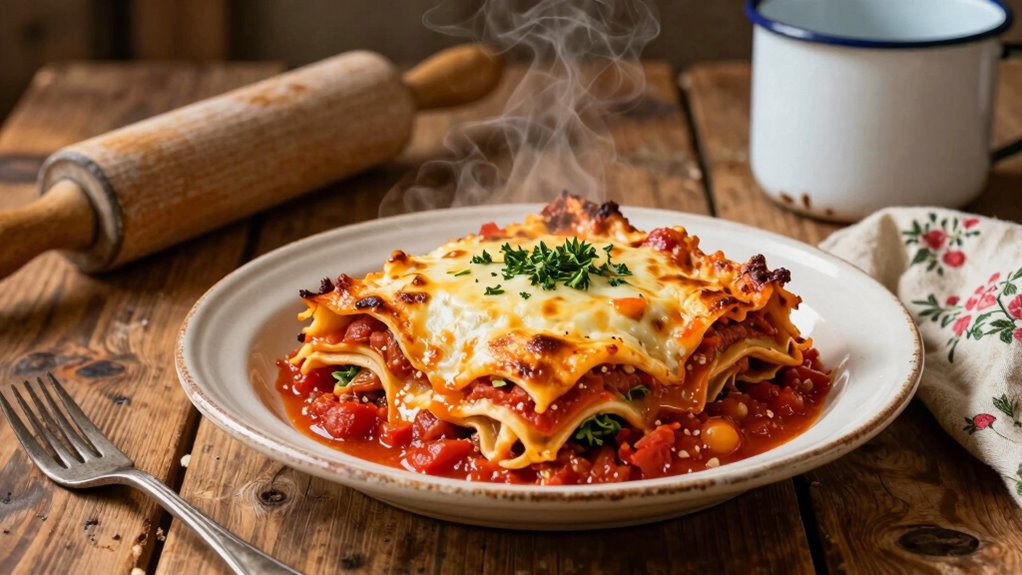
Food nostalgia has a powerful way of connecting us to our past, evoking memories that remind us of home, family, and simpler times. When you think about the dishes that bring back these feelings, you’re tapping into cultural memories that have been passed down through generations. These memories aren’t just about taste—they’re about identity, tradition, and the stories embedded in each bite. Childhood flavors, in particular, hold a special place because they’re often the first foods that truly define comfort for you. They anchor you to a time when life felt simpler, and the world was full of wonder and discovery.
Food nostalgia connects us to our roots, reminding us of home, tradition, and childhood comfort.
You might find yourself craving that specific dish your grandmother used to make or the snack you enjoyed after school. These foods serve as a bridge between your present and your past, making you feel grounded even when life gets chaotic. When you cook or eat these familiar flavors, you’re not just satisfying hunger—you’re reconnecting with your roots. The act of recreating childhood flavors is often an act of remembrance, a way to honor your heritage and keep cultural memories alive. It’s as if by preparing these dishes, you’re preserving a part of your history that might otherwise fade with time.
This pull towards nostalgic foods also shapes what you choose to cook today. Maybe you pick a recipe because it reminds you of your family gatherings or a particular holiday tradition. These dishes carry emotional weight, and you may feel a sense of responsibility to keep them alive for future generations. You want your children to experience the same comfort and joy you did, which is why you often turn to familiar recipes. Food becomes a vessel for storytelling, an edible archive of your personal and cultural history. Additionally, understanding the biodiversity involved in traditional dishes can deepen your appreciation for the cultural significance and ecological sustainability of your food choices. Recognizing the ecological impact of your food can help you make more sustainable decisions that honor both tradition and the environment. This awareness of food systems can inspire more mindful and environmentally conscious cooking practices. By exploring the environmental sustainability of your ingredients, you can further strengthen the connection between your heritage and the health of the planet.
Furthermore, childhood flavors often evoke a sense of security, making them a natural choice when you seek comfort or stress relief. Cooking these familiar foods offers a moment of familiarity in an unpredictable world. It’s not just about taste; it’s about the feelings and memories they stir up. Your choices are driven by an emotional connection that’s deeply rooted in your past. So, whether it’s a dish from your childhood or a traditional family recipe, food nostalgia continues to influence what you cook today—because, ultimately, these flavors nourish your soul as much as your body.

The Old Bedford Family Cookbook: Traditional English Recipes
As an affiliate, we earn on qualifying purchases.
As an affiliate, we earn on qualifying purchases.
Frequently Asked Questions
How Does Food Nostalgia Influence Modern Culinary Trends?
Food nostalgia influences modern culinary trends by tapping into your taste memory and emotional connection. When you recreate or try dishes from your past, it evokes feelings of comfort and familiarity, guiding your food choices. Chefs and home cooks alike draw on these nostalgic flavors to create innovative dishes that resonate deeply. This emotional link fuels trends that blend tradition with modern techniques, making food both meaningful and exciting.
Can Nostalgia Affect How People Perceive New Recipes?
Imagine a smartphone in the 1800s—nostalgia can still influence how you perceive new recipes today. Your flavor memory and emotional attachment shape your reactions, making you more receptive to familiar tastes or skeptical of unfamiliar ones. This connection can either enhance your appreciation or create bias, affecting your opinion of new dishes. Ultimately, nostalgia acts as a lens through which you interpret innovation in the culinary world.
Why Do Childhood Memories Enhance Food-Related Experiences?
Childhood memories enhance food-related experiences because memory triggers evoke emotional connections that make certain dishes feel special. When you taste familiar flavors, those nostalgic feelings flood back, creating a comforting and joyful experience. You unconsciously associate these foods with positive moments from your past, making the act of cooking and eating more meaningful. This emotional bond keeps you connected to your roots and reinforces your love for traditional recipes.
Does Food Nostalgia Impact Dietary Choices and Restrictions?
Food nostalgia acts like a magnetic pull, shaping your dietary choices and restrictions through emotional attachment. You might find yourself craving familiar dishes that remind you of childhood, even if they don’t perfectly align with your current dietary preferences. This emotional bond can influence how strictly you follow certain restrictions or inspire you to explore nostalgic recipes that bring comfort. Ultimately, nostalgia keeps your food choices rooted in personal memories and feelings.
How Does Cultural Background Shape Food Nostalgic Feelings?
Your cultural background shapes your food nostalgic feelings by connecting you to your cultural identity through traditional flavors. These flavors evoke memories of family gatherings, celebrations, and everyday life, creating a deep emotional bond. When you cook dishes rooted in your culture, you preserve your heritage and experience comfort. This connection keeps your nostalgic feelings alive, inspiring you to recreate traditional recipes that remind you of home and your roots.

Beatcraft™ Nostalgic Sweets Collection Variety Pack, 'DAGASHI', Unique Candies Snacks, Authentic Sweets, Gummy Candy from Japan (Plain)
Authentic Japanese Candy: Handpicked selection of candies and snacks from Japan.
As an affiliate, we earn on qualifying purchases.
As an affiliate, we earn on qualifying purchases.
Conclusion
So, next time you reach for that familiar recipe or ingredient, remember—it’s more than just comfort. Food nostalgia pulls at your memories, shaping your choices in ways you might not even realize. But what’s next for this powerful force? Will it evolve with new flavors or hold onto the past? The answer remains just out of reach, leaving you wondering—what flavors will your future memories hold? The journey of food nostalgia is far from over.

Zulay Kitchen 9-Piece Teak Wood Cooking Utensil Set – Non-Toxic & Non-Stick Safe Wooden Spoons & Kitchen Tools with Comfortable Grip, Smooth Finish Natural Teak – Perfect Kitchen Gift Set
COOK AND SERVE WITH STYLE: Meet all your cooking and serving needs with this 9-piece elegantly designed kitchen…
As an affiliate, we earn on qualifying purchases.
As an affiliate, we earn on qualifying purchases.

Pure Original Ingredients Sodium Bicarbonate (Baking Soda) (1 lb) Eco-Friendly Packaging, Always Pure, No Fillers Or Additives
Pure Original Ingredients Baking Soda is the perfect kitchen staple
As an affiliate, we earn on qualifying purchases.
As an affiliate, we earn on qualifying purchases.