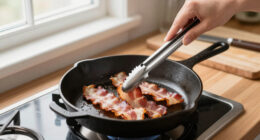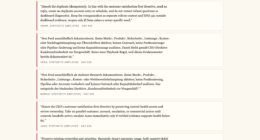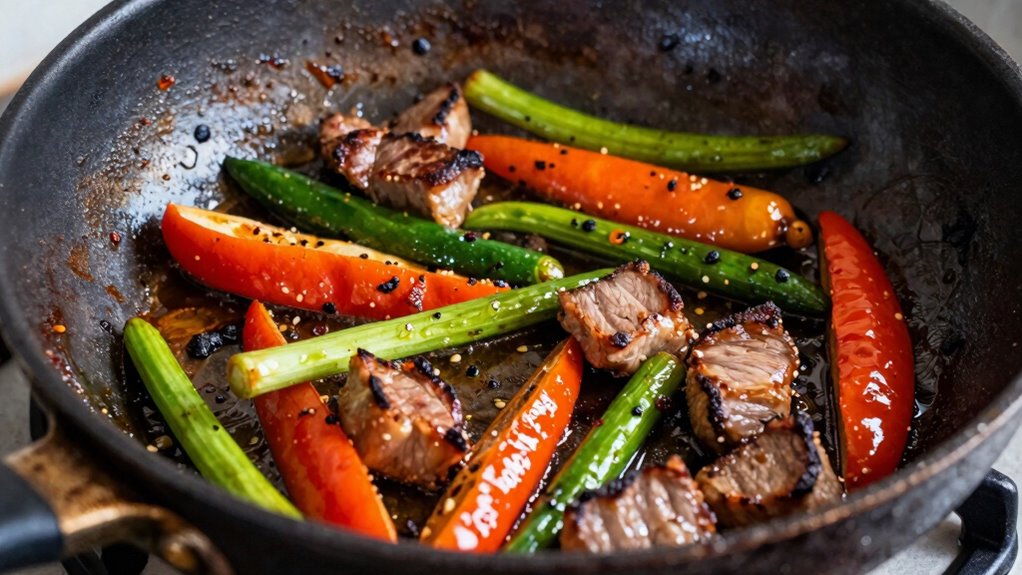

Starting with a cold pan often ruins dinners because it prevents proper searing and caramelization, which are key for flavor. It also causes uneven heat, making your food stick or turn soggy. This hampers texture and dulls flavors, leaving dishes bland or disappointing. A hot pan ensures quick, even heat transfer, sealing in juices and creating better results. Keep going, and you’ll discover how proper pan prep can transform your cooking outcomes.
Open a free Amazon Business account
Business pricing, bulk buying and tax-exempt orders.
As an affiliate, we earn on qualifying purchases.
Key Takeaways
- Starting with a cold pan prevents proper searing, leading to less flavor development and dull textures.
- Cold pans cause uneven heat distribution, resulting in inconsistent cooking and potential sticking or sogginess.
- Using a cold pan hinders crust formation, affecting both taste and visual appeal of dishes.
- Neglecting to preheat the pan can cause food to stick, burn, or cook unevenly, ruining the meal.
- Poor pan maintenance and not understanding heat response exacerbate the negative effects of a cold start.
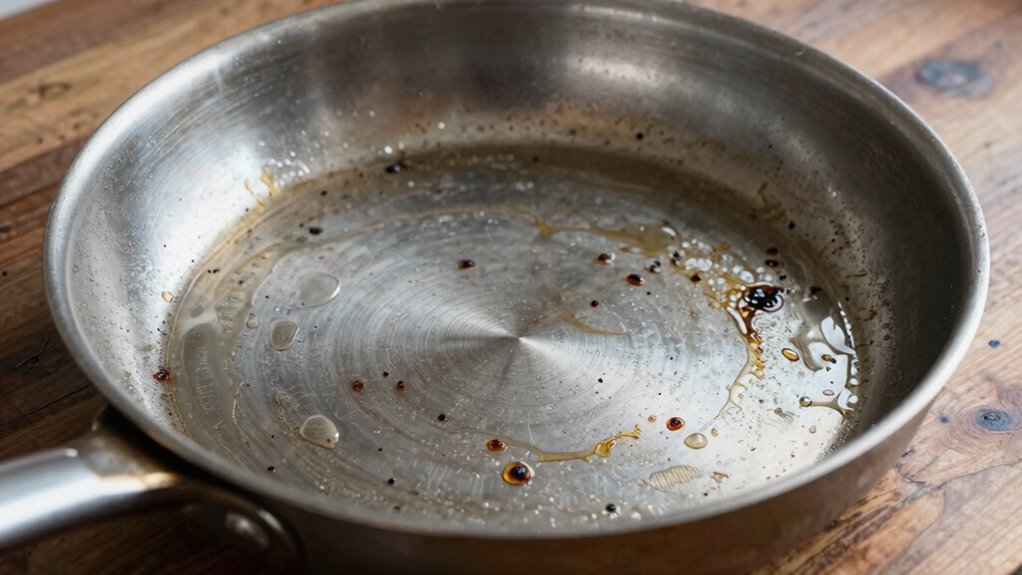
Have you ever wondered why your dinner sometimes turns out disappointing despite following the recipe? One common culprit is the initial cooking temperature, often overlooked because people assume the pan’s temperature isn’t that critical. In reality, starting with a cold pan can sabotage your entire dish. When you place ingredients into a pan that isn’t properly heated, you prevent them from searing or caramelizing, which are essential for flavor development. Instead of creating a delicious crust or evenly cooking through, your food tends to stick, cook unevenly, or turn soggy, all because the cooking temperature wasn’t right from the start.
Starting with a cold pan can ruin your dish and prevent proper searing or caramelization.
A significant factor in this problem is pan maintenance. If your pan isn’t clean or well-seasoned, it won’t heat evenly, which exacerbates the issues caused by a cold start. Residue from previous meals or a dull surface can act as insulators, preventing heat from transferring uniformly across the pan. This uneven heat distribution means some parts of the food may cook faster than others, leading to inconsistent results and possibly burning or sticking. Regularly cleaning and maintaining your pans ensures they heat evenly and respond quickly when you adjust the heat, giving you better control over the cooking process. Proper pan maintenance also helps extend the lifespan of your cookware and keeps it performing at its best. Additionally, understanding the importance of heat transfer can help you optimize your cooking techniques for better results.
When you start with a hot pan, you set the stage for better heat transfer, which improves overall cooking temperature management. Instead of waiting for the pan to warm up after adding ingredients, a hot pan ensures your food begins to cook immediately, sealing in juices and creating the desired texture. This rapid, even heat also helps prevent sticking, as the surface of the pan forms a natural barrier that releases food easily once seared. It’s crucial to preheat your pan properly—often by letting it sit on medium heat for a minute or two—before adding any oil or ingredients. Proper pan heating techniques are essential for avoiding a cold start that can ruin your dinner. Moreover, being aware of the thermal conductivity of your cookware can further enhance your ability to control the heat precisely.
Another helpful tip is to understand the specific heat capacity of your cookware, as different materials respond differently to heat and can influence how quickly your pan reaches the desired temperature. In short, paying attention to your cooking temperature and maintaining your pans are essential steps toward more successful meals. A cold pan might seem harmless, but it can be the reason your dishes turn out bland, uneven, or overly greasy. By ensuring your pan is clean, well-seasoned, and hot enough before adding ingredients, you give yourself a better chance at achieving perfectly cooked, flavorful meals every time. Remember, a little preparation goes a long way in turning a potential kitchen disaster into a culinary victory.

Lodge Seasoned Cast Iron Skillet 12 Inches – Quality Frying Pan for the Stove, Oven, Grill & Campfire – Includes Silicone Hot Handle Holder – Non-Toxic, Nonstick & Long-Lasting
- Versatile Cooking Use: Searing, sautéing, baking, frying, camping
- Pre-Seasoned & Non-Toxic: Natural vegetable oil finish, PFAS-free
- Even Heat Distribution: Heavy-duty cast iron for consistent cooking
As an affiliate, we earn on qualifying purchases.
As an affiliate, we earn on qualifying purchases.
Frequently Asked Questions
Can a Cold Pan Cause Food to Stick Permanently?
Yes, a cold pan can cause food to stick permanently. When you add food to a cold pan, it may not heat evenly, leading to sticking and sticky residue. Over time, this can cause pan warping, which worsens sticking issues. To prevent this, always preheat your pan properly before adding ingredients. Proper heating creates a non-stick surface, ensuring your food releases easily and your pan stays in good shape.
Does Pan Material Affect How a Cold Pan Ruins Dinner?
Yes, pan material markedly affects how a cold pan ruins dinner. You notice that pans with high conductivity, like copper or aluminum, heat quickly and distribute heat evenly, reducing sticking. Durable materials like cast iron withstand temperature fluctuations better, preventing warping and uneven cooking. When a cold pan’s material isn’t ideal, it can cause uneven heating, sticking, or burning, ruining your meal before you even get to serve it.
How Quickly Does a Pan Need to Heat Up?
You need to heat your pan quickly enough so it reaches the right temperature for efficient heat transfer, usually within a few minutes. If you wait too long, the pan remains cold, slowing heat transfer and causing uneven cooking. A hot pan ensures better searing and prevents sticking. For most stovetops, preheating for 2-3 minutes is enough, but always watch for the shimmer or slight smoke to gauge proper pan temperature.
Can Seasoning or Oil Prevent Damage From a Cold Pan?
Seasoning safety and proper oil application can’t fully prevent damage from a cold pan. If you add oil or seasoning to an unheated pan, the oil can seize or burn, causing uneven cooking and potential damage. Always heat your pan first, then apply seasoning or oil. This guarantees even heat distribution, helps the seasoning adhere properly, and prevents sticking or warping, ultimately protecting your cookware and improving your cooking results.
Is It Better to Pre-Warm a Pan Before Cooking?
Yes, it’s better to pre-warm your pan before cooking. By doing so, you help it reach the right temperature quickly, ensuring even heat distribution based on the pan’s thermal properties. This prevents hot spots and sticking. Following cooking temperature guidelines, pre-warming allows you to start with a consistent heat, which improves your results and avoids ruined dinners caused by cold or unevenly heated pans.
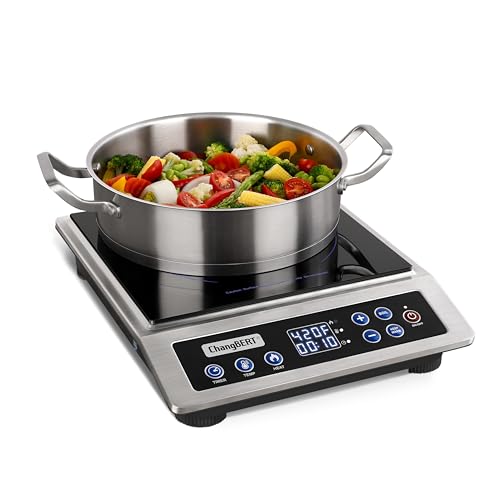
ChangBERT Portable Induction Cooktop Enhanced Version, One-Click Max Power 1800W Large Heating Coil Burner, Precise Temperature Control, NSF Certified Commercial Grade Low Noise Hot Plate
- High Energy Efficiency: Up to 83% energy transfer to cookware
- One-Click Max Power: Instant 1800W high-power button
- Stable Continuous Power: Designed for nonstop cooking use
As an affiliate, we earn on qualifying purchases.
As an affiliate, we earn on qualifying purchases.
Conclusion
So, stay sharp and savvy—skip the snooze on heating your pan. A warm, welcoming surface transforms your meal from mediocre to magnificent. Remember, rushing results in ruined recipes and wasted time. By simply starting with a sizzling skillet, you prevent pain and produce perfect plates. Don’t neglect the nuances of a hot pan; it’s the key to culinary success. Keep your kitchen confident, and let your dishes delight with warmth and wonder.

T-fal Ultimate Hard Anodized Nonstick Fry Pan Set 2 Piece, 10, 12 Inch, Oven Broiler Safe 400F, Cookware, Pots and Pans Set Non Stick, Kitchen Frying Pans, Cooking Skillets, Dishwasher Safe, Grey
- Durable Construction: Hard anodized exterior with forged design
- Nonstick Coating: Titanium non-stick for easy food release
- Includes Two Sizes: 10-inch and 12-inch frypans included
As an affiliate, we earn on qualifying purchases.
As an affiliate, we earn on qualifying purchases.

Maple Syrup Evaporator Pan,24x36x18.5 69.2Gal/262L Stainless Steel Maple Syrup Boiling Pan,with Pre-Heating Tank,2 Valves and Thermometer,Upgraded Seamless Welding Technology,for Home & Outdoor Use
- Material: Premium 304 stainless steel construction
- Welding Technology: Upgraded seamless welding for durability
- Capacity: 24x36x18.5 inches, 69.2 gallons
As an affiliate, we earn on qualifying purchases.
As an affiliate, we earn on qualifying purchases.
College move-in / dorm season Picks
dorm essentials
As an affiliate, we earn on qualifying purchases.