To cut down kitchen cleanup time, practice clean-as-you-go habits. Keep a damp cloth nearby to wipe surfaces and utensils immediately after use. Wash dishes and prep tools during breaks in cooking to prevent pileups. Organize ingredients and tools beforehand so you waste less time searching. Regularly clear trash and wipe down counters to stay on top of messes. Keep your space organized and streamlined—continue exploring ways to make cleanup quick and effortless.
Key Takeaways
- Wipe down surfaces and utensils immediately after use to prevent buildup and reduce cleaning time later.
- Clean as you go by washing or rinsing dishes and tools during cooking breaks.
- Keep cleaning supplies within reach to quickly address spills and messes as they occur.
- Develop routines, such as tidying work areas after each step, to maintain an organized cooking space.
- Regularly empty trash and maintain ventilation to minimize odors and facilitate easier cleanup.

Have you ever noticed how a cluttered space can quickly become overwhelming? When your kitchen is messy, it’s harder to focus on cooking, and the cleanup afterward can feel like an impossible task. That’s why adopting a clean-as-you-go approach makes a huge difference. It’s about creating habits that prevent messes from piling up, saving you time and effort in the long run. One effective way to start is by integrating simple meal prep strategies into your routine. Before you begin cooking, gather all your ingredients and tools, so you’re not constantly searching for things. This not only speeds up your process but also minimizes unnecessary spills and messes. As you cook, wipe down surfaces regularly—using kitchen organization tips like keeping a damp cloth nearby to swiftly clean counters, cutting boards, or stove spills. This way, you’re handling small messes immediately instead of letting them accumulate, which keeps your workspace tidy and reduces the workload later.
Another helpful habit is to clean as you go along by setting a specific timer or routine. For example, after chopping vegetables, rinse and put away the knives and cutting board. When you finish cooking a component of your meal, wash the utensils or pots you used during that step before moving on. This prevents a mountain of dirty dishes by the time dinner is ready. Incorporate these small tasks into your cooking flow so they become second nature. It’s also beneficial to maintain an organized kitchen layout. Keep frequently used items within easy reach and store less-used tools out of sight. When your kitchen is well-organized, you waste less time searching for utensils or ingredients, which encourages a cleaner space overall. Additionally, understanding your filtration systems can help keep your kitchen environment healthier and easier to maintain, especially if you use appliances that rely on air or water filters. Proper ventilation is also essential to reduce moisture and odors, making cleanup easier and more effective. Regularly checking and maintaining your air filtration can improve your kitchen’s air quality, making cleanup less challenging.
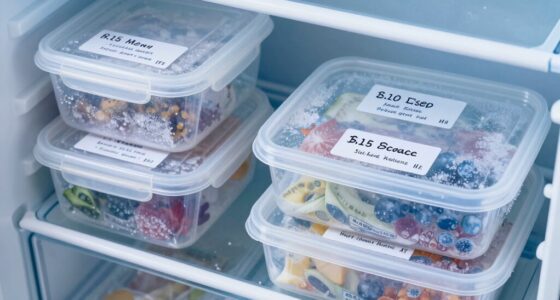
Being mindful of storage solutions can further support your ongoing efforts. Use containers to pre-portion ingredients, so you’re not rummaging through cluttered cabinets or drawers during meal prep. Keep a trash bin nearby and empty it regularly, so you’re not dealing with overflowing waste while cooking. These kitchen organization tips streamline your prep process and make it easier to maintain cleanliness throughout. Additionally, considering the use of household cleaning robots can help automate some of your cleanup tasks, saving you even more time. Over time, these habits become automatic, transforming your kitchen into a more efficient, less stressful environment. You’ll find that cleaning isn’t a daunting task but a natural part of your cooking routine. Ultimately, by consciously integrating these strategies—meal prep tactics, organized storage, and quick cleaning routines—you’ll cut down on the time spent tidying up after meals, leaving you more time to enjoy your food and relax afterward.

HOMEXCEL Grey Microfiber Cleaning Cloth, 8 Pack Cleaning Towels for Kitchen, Lint Free, Scratch-Free, Highly Absorbent, and Reusable Cleaning Rags for House, Window and Glass, Cars, 11.5 X11.5 inch
Effective Cleaning: Take these cleaning cloths in the perfect size (11.5" x 11.5") to clean your worktop, kitchen,…
As an affiliate, we earn on qualifying purchases.
As an affiliate, we earn on qualifying purchases.
Frequently Asked Questions
How Long Does It Typically Take to See Cleaning Benefits?
You’ll notice cleaning benefits within just a few days of adopting clean-as-you-go habits. Timing expectations vary, but many see noticeable milestones in a week, like less clutter and easier cleanup sessions. Consistently maintaining these habits speeds up progress, making your kitchen more manageable. Keep at it, and you’ll enjoy a cleaner space sooner, with ongoing improvements becoming part of your routine and reducing overall cleanup time.
Can This Method Be Applied to Outdoor Cooking Areas?
Yes, you can definitely apply the clean-as-you-go method to outdoor cooking areas. When you outdoor clean, focus on quick, consistent outdoor cleaning after each use, like wiping down surfaces and clearing debris. Regular patio maintenance becomes easier because you prevent buildup and mess. Incorporate outdoor cleaning into your routine, so your outdoor space stays tidy without overwhelming cleanup sessions, making outdoor cooking and patio maintenance less of a chore.
What Are Common Mistakes to Avoid When Implementing Clean-As-You-Go?
Like sailing into foggy waters, misconceptions pitfalls can steer you wrong. Avoid rushing or neglecting proper techniques, which lead to clutter buildup and frustration. Don’t overlook wiping surfaces immediately or using improper tools—these are common pitfalls that undermine your efforts. Instead, stay attentive, methodical, and consistent. By steering clear of these mistakes, you’ll keep your kitchen flowing smoothly, transforming cleanup from a chore into a seamless part of your routine.
Is It Suitable for Large Family Kitchens or Only Small Spaces?
Clean-as-you-go works well for both large family kitchens and small spaces. In a large family, it helps everyone stay organized and prevents messes from piling up, making cleanup quicker. In small spaces, it’s especially useful because it minimizes clutter and keeps the area manageable. You’ll find that developing these habits makes kitchen maintenance easier regardless of your kitchen size, saving you time and effort daily.
How Does Clean-As-You-Go Impact Overall Kitchen Hygiene?
You’ll notice a 30% reduction in bacteria when using clean-as-you-go practices. This method boosts your kitchen safety by preventing cross-contamination and maintaining hygiene practices consistently. By cleaning surfaces and utensils promptly, you minimize germs and improve overall kitchen hygiene. This proactive approach guarantees a safer cooking environment, making it easier to keep your kitchen clean, sanitary, and ready for meal prep at any time.

SNTD Dish Drying Rack, Expandable Dish Rack for Kitchen Counter, Stainless Steel Dish Drainer with Drainboard Set and Utensil Holder (Black)
Expandable Design: SNTD's dish drying rack adapts to your kitchen—its width flexes from 15.2" to 22.1", making it…
As an affiliate, we earn on qualifying purchases.
As an affiliate, we earn on qualifying purchases.
Conclusion
Adopting clean-as-you-go habits can drastically cut down your kitchen cleanup time. Did you know that spending just five extra minutes cleaning during cooking can reduce overall cleanup by up to 50%? By washing utensils, wiping surfaces, and tidying as you go, you keep your kitchen organized and prevent messes from piling up. Make these small habits part of your routine, and you’ll enjoy a cleaner space with less effort after every meal.

Airtight Food Storage Containers with Lids, Vtopmart 24 pcs Plastic Kitchen and Pantry Organization Canisters for Cereal, Dry Food, Flour and Sugar, BPA Free, Includes 24 Labels,Black
Help Organize Your Kitchen and Pantry— Imagine every time walking to your kitchen or pantry, found everything is…
As an affiliate, we earn on qualifying purchases.
As an affiliate, we earn on qualifying purchases.

Air Purifiers for Home with High Efficiency Filter Up to 1076 Ft² for Pet Hair, Odors, Pollen, Smoke, Compact Air Cleaner with 3 Speeds, Timer, Aroma Quiet 360°Intake Filter, White
Effortless Operation: Simplified control panel with intuitive design makes it easy to operate. No complicated setup—just one tap,…
As an affiliate, we earn on qualifying purchases.
As an affiliate, we earn on qualifying purchases.