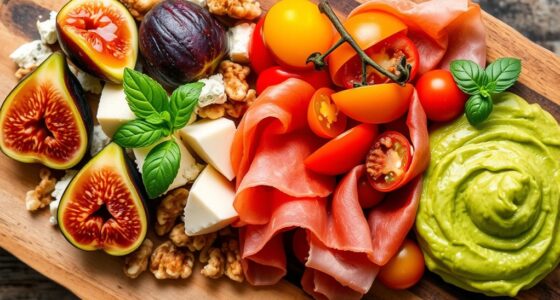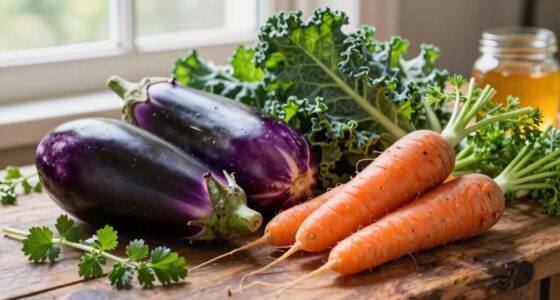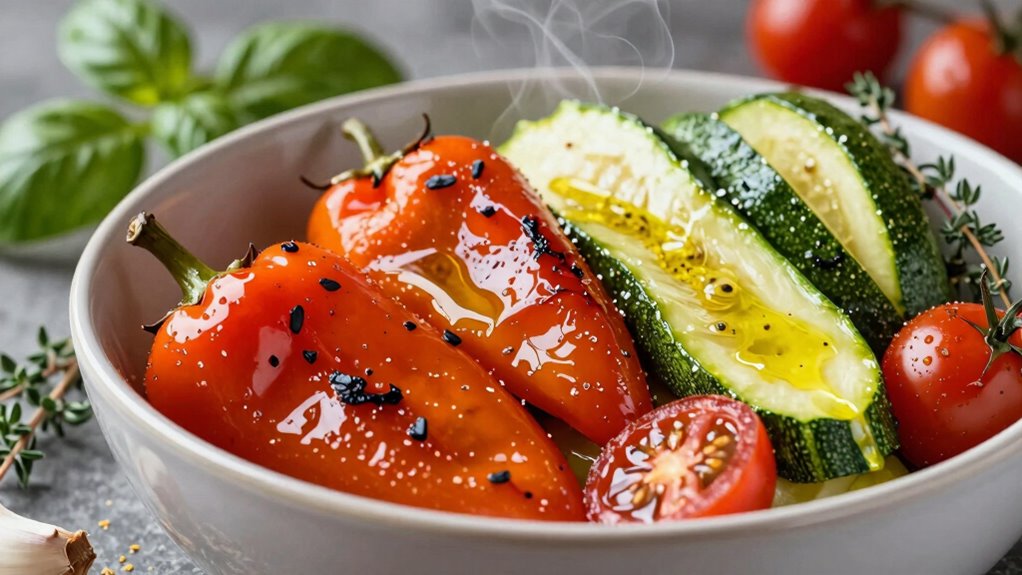

To season food without salt, focus on fresh herbs like basil, cilantro, and parsley, along with spices such as cumin or paprika to add depth. Brighten dishes with citrus juice or vinegar for acidity and flavor. Incorporate garlic, onion, or umami-rich ingredients like nutritional yeast or fermented sauces to enhance savoriness. Using smoked spices and textures like toasted nuts can also boost taste without sodium. Keep exploring these ideas to discover more flavorful, heart-healthy seasonings.
Key Takeaways
- Use fresh herbs, spices, and citrus to add vibrant flavor without sodium.
- Incorporate vinegar and acid-based ingredients to brighten dishes and mimic saltiness.
- Enhance umami with garlic, onion, nutritional yeast, or fermented condiments for depth.
- Select high-quality ingredients and add texture with toasted nuts or crispy vegetables for richness.
- Experiment with flavor combinations, balancing aroma, acidity, and texture for satisfying, heart-healthy meals.
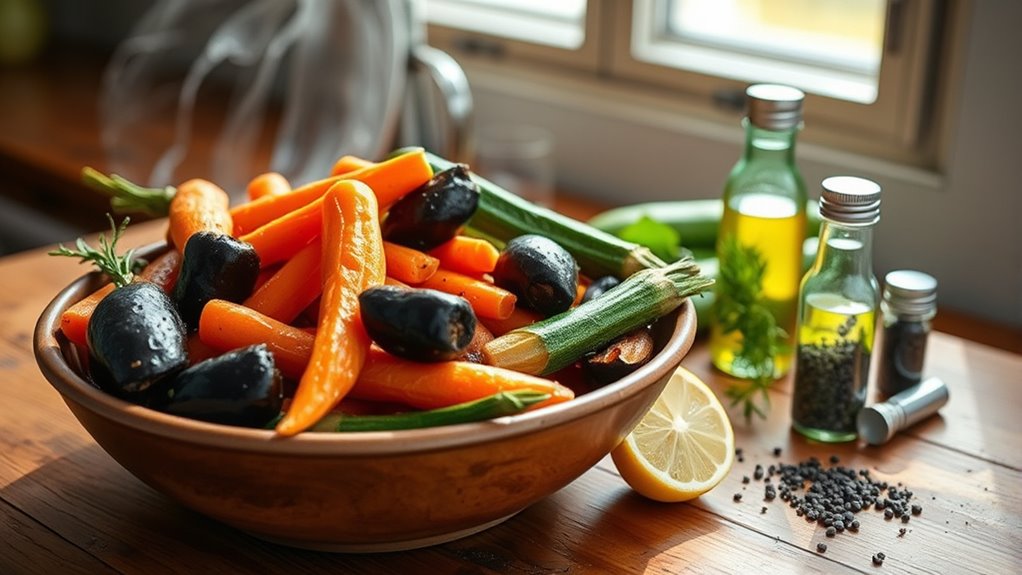
Have you ever wondered if you can make your food flavorful without using salt? The good news is, you absolutely can, and it’s healthier for your heart and overall well-being. When you’re trying to cut back on salt, exploring salt alternatives and flavor enhancers becomes essential. These options can transform your dishes, making them exciting without relying on sodium.
Start by experimenting with herbs and spices. Fresh herbs like basil, cilantro, parsley, and thyme add vibrant, fresh notes that can elevate any dish. Dried herbs work too, but fresh ones tend to deliver a more pronounced flavor. Spices such as cumin, paprika, turmeric, and cinnamon can add depth and warmth, making your food more appealing without salt. Don’t be afraid to combine different herbs and spices — layering flavors creates complexity that keeps your palate interested.
Vinegars and citrus juices serve as excellent salt substitutes because they add brightness and acidity that can mimic the tanginess salt provides. A splash of lemon juice, lime, or apple cider vinegar can enhance the overall flavor profile of your meal. These acids wake up your taste buds, making dishes feel more vibrant without needing salt. Using citrus zest can also add an aromatic punch that boosts flavor without extra sodium.
Incorporating flavor enhancers can make a significant difference. For example, garlic and onion, whether fresh, roasted, or powdered, bring savory, umami qualities that make food taste richer. Nutritional yeast is another fantastic option for adding a cheesy, umami flavor, especially in vegetarian dishes. You can also try incorporating fermented ingredients like soy sauce alternatives, tamari, or miso in small quantities; just be mindful of their sodium content and opt for low-sodium versions when possible. These ingredients intensify the flavor, making your dishes taste more complex and satisfying.
Additionally, choosing high-quality ingredients can naturally elevate the flavor of your meals, reducing the need for added salt. Lastly, texture plays a vital role. Toasted nuts, seeds, or crispy vegetables add crunch and contrast, making each bite more enjoyable. Using smoked paprika or chipotle powder can introduce a smoky dimension that compensates for the absence of salt. Remember, seasoning food without salt is about balancing flavors. Taste as you go, adjusting with your preferred salt alternatives and flavor enhancers until you achieve the right harmony.
With a little creativity and knowledge of salt alternatives and flavor enhancers, you can craft meals that are both delicious and heart-healthy. Your palate will thank you, and your body will benefit from reduced sodium intake. So go ahead, experiment, and discover new ways to season your food that satisfy your senses and support your health.
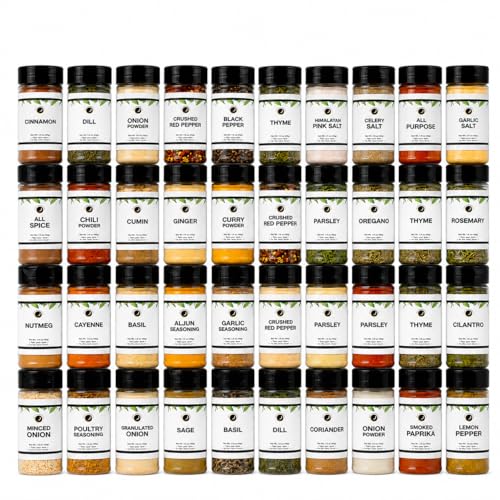
Ultimate Pantry Seasoning, Herb, Spice and Seasoned Salt Set | 40 Count | Premium All Natural | Everything Your Spice Rack Needs! | Create Unique Flavors at Home!
The ULTIMATE culinary spice set includes: ALL PURPOSE, ALLSPICE, BASIL, BLACK PEPPER, CAYENNE, CELERY SALT, CHILI, CHIVES, CILANTRO,…
As an affiliate, we earn on qualifying purchases.
As an affiliate, we earn on qualifying purchases.
Frequently Asked Questions
Can Herbs Replace All the Flavor Salt Provides?
Herbs can substantially replace the flavor salt provides, but they might not match all of its potency. With careful use, you can enhance flavor complexity and create a satisfying taste experience. Experiment with fresh herbs like basil, thyme, or oregano, and combine them for depth. While herbs won’t replicate salt’s exact effect, they add vibrant, natural flavor, helping you enjoy flavorful dishes without excess sodium.
Are There Any Risks With Using Certain Spice Blends?
You should watch out for spice blends because some could hide spice allergies or contain additives that stir up trouble. Think of spice blends as a colorful tapestry—each thread matters. If you’re sensitive, check labels carefully, or you might unknowingly invite reactions. While they add flavor, certain additives can pose risks, especially if you have allergies. Stay vigilant, read labels, and choose pure, natural spices to keep your culinary journey safe and delicious.
How Can I Make My Dishes More Appealing Without Salt?
To make your dishes more appealing without salt, focus on umami boosters like mushrooms, sun-dried tomatoes, or nutritional yeast. Add citrus enhancements such as lemon or lime juice to brighten flavors and create a fresh taste. Use herbs like basil, oregano, or thyme to add complexity, and incorporate aromatic spices like cumin or paprika. These techniques will enhance flavor naturally, making your meals satisfying and flavorful without relying on salt.
What Are Some Common Mistakes When Seasoning Without Salt?
You should watch out for over seasoning pitfalls, which can overpower your dish’s natural flavors. Avoid adding too many herbs or spices at once; instead, use flavor balancing techniques like tasting frequently and adjusting gradually. Remember, less is often more. Over-seasoning can mask the food’s true taste and make it less enjoyable. Focus on layering flavors thoughtfully to enhance without overwhelming, creating a well-rounded, satisfying dish.
Do Flavor Preferences Change Over Time When Reducing Salt?
Yes, your flavor preferences do change over time as your taste buds adapt. When you reduce salt, you’ll notice flavor preference shifts, making less salty foods taste more satisfying. Your taste buds become more sensitive, allowing you to appreciate natural flavors and herbs better. This adaptation encourages healthier eating habits, and eventually, you’ll find that you enjoy the true essence of food without relying on salt for flavor.

Salt-Free Spice Blends: Practical Seasonings for Everyday Cooking and World Flavors
As an affiliate, we earn on qualifying purchases.
As an affiliate, we earn on qualifying purchases.
Conclusion
So, why rely solely on salt when you can enhance your dishes with vibrant herbs, spices, and other flavorful ingredients? By experimenting with lemon juice, garlic, pepper, or fresh herbs, you’ll discover a whole new world of heart-healthy tastes. Isn’t it rewarding to enjoy delicious, satisfying meals without sacrificing your health? Start seasoning creatively today, and watch your food come alive with bold, natural flavors that everyone will love.

Italia Garden Italian Lemon Juice, Not From Concentrate, Real, Perfect for Cooking, Drinks, Marinades & More, Pure Citrus Flavor with Convenient Squeeze Bottle, 16 oz, 3-Pack
Fresh Italian Lemon Story: Enjoy the pure taste of lemon juice made from Italian lemons, created for anyone…
As an affiliate, we earn on qualifying purchases.
As an affiliate, we earn on qualifying purchases.

Sodium Inosinate and Guanylate – I+G (45 gram)
POWERFUL UMAMI BOOST: Blend of disodium inosinate & guanylate enhances savory flavors in meats, soups, and snacks without…
As an affiliate, we earn on qualifying purchases.
As an affiliate, we earn on qualifying purchases.