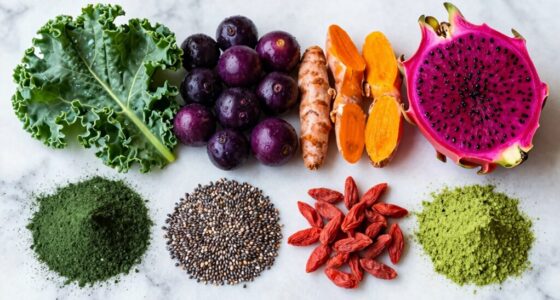

Choosing between plant protein and meat depends on your health goals, ethics, and environment. Plant-based options like beans and lentils are lower in saturated fat, rich in fiber, and more sustainable, which benefits your heart and the planet. Meat offers complete proteins and quick energy but can pose health risks if overconsumed. Exploring the differences further can help you make informed choices aligned with your lifestyle and values. Keep exploring to see how each option fits your needs.
Open a free Amazon Business account
Business pricing, bulk buying and tax-exempt orders.
As an affiliate, we earn on qualifying purchases.
Key Takeaways
- Plant proteins are generally lower in saturated fat and cholesterol, supporting heart health compared to meat.
- Meat offers complete proteins with all essential amino acids, which are vital for muscle building.
- Plant-based foods have a lower environmental impact, making them a more sustainable choice.
- Combining various plant sources can provide all necessary amino acids, making them nutritionally comparable to meat.
- For overall health, moderation and balanced intake of both plant proteins and meat are recommended.
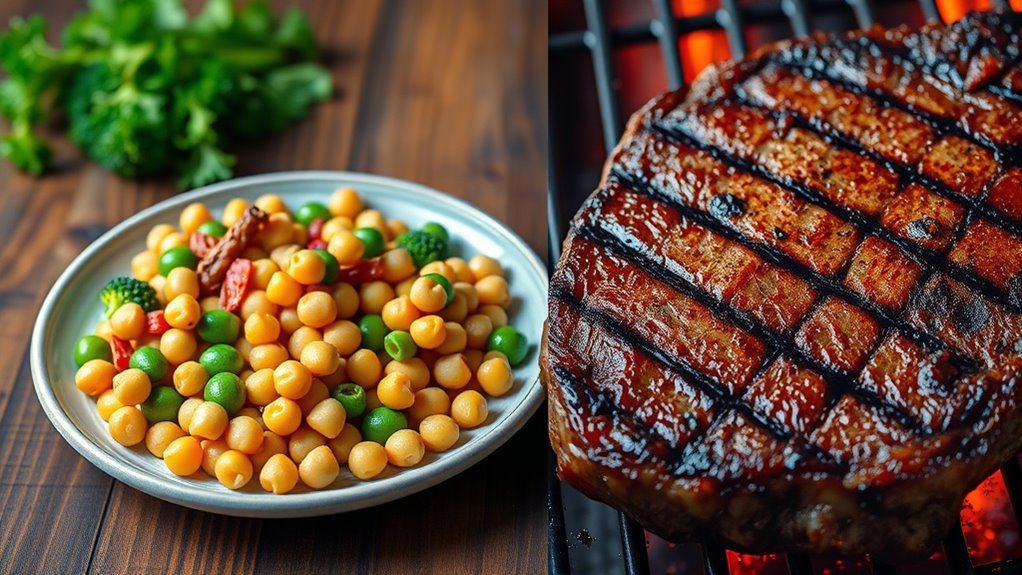
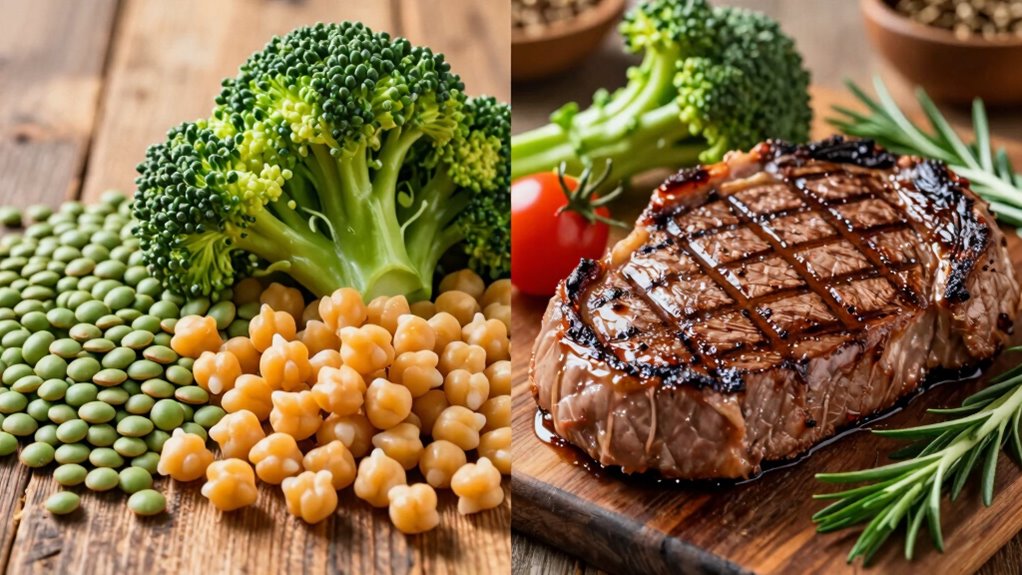
Have you ever wondered how plant protein stacks up against meat? When you’re choosing what to include in your diet, it’s important to consider not just personal health but also the broader effects on the environment and your dietary preferences. Plant proteins, like beans, lentils, tofu, and tempeh, generally have a lower environmental impact compared to meat. Producing plant-based foods requires less land, water, and energy, and it it results in fewer greenhouse gas emissions. If you’re trying to reduce your carbon footprint or live more sustainably, shifting toward plant proteins can be a significant step. Many people find that plant-based options align well with their dietary preferences, especially if they’re vegetarian, vegan, or simply looking to cut back on animal products. These foods often become a core part of a lifestyle that values ethical considerations and environmental responsibility.
From a health perspective, plant proteins tend to be lower in saturated fat and cholesterol, which can benefit your heart health over time. They’re also rich in fiber, vitamins, and antioxidants, which support digestion and immune function. Incorporating more plant-based proteins might help you manage weight more effectively, as these foods are often less calorie-dense than meat. Conversely, meat provides high-quality complete proteins with all essential amino acids, making it a convenient option for those who prioritize muscle building or need a quick, dense source of protein. However, the health risks associated with excessive meat consumption, such as increased chances of cardiovascular disease and certain cancers, have led many to explore plant-based alternatives.
Your dietary preferences play a big role in your choice between plant protein and meat. If you prefer a plant-centered diet, you might focus on variety—combining legumes, grains, nuts, and seeds to ensure you get all essential amino acids. If you’re used to eating meat, you might consider gradually replacing some portions with plant-based options, which can ease the transition and offer new flavors and textures. Many find that plant proteins can be just as satisfying and versatile as meat, especially when prepared creatively. Additionally, some foods like certain seafood might be subject to religious dietary laws, emphasizing the importance of understanding halal guidelines when selecting ingredients. Ultimately, your decision hinges on balancing your health goals, ethical considerations, environmental impact, and personal tastes. While both can be part of a healthy diet, understanding their differences helps you make informed choices aligned with your values and lifestyle.

10 Gallon Aquarium Set Glass Fish Tank, Heater Self Cleaning System Filter with Media Bright Light Cleaning Tool, Leak-Proof Clear Rimless Betta Tropical Freshwater Fish
- Complete Aquarium Kit: Includes tank, heater, filter, light, and cleaning tools
- Ideal for Tropical Fish: Equipped with a reliable heater for warm water
- Crystal-Clear Viewing: Made from 4mm thick HD glass with high transparency
As an affiliate, we earn on qualifying purchases.
Frequently Asked Questions
How Does Plant Protein Impact Long-Term Heart Health?
Plant protein positively impacts your long-term heart health by providing cardiovascular benefits. Consuming plant-based sources helps lower LDL cholesterol and blood pressure, reducing your risk of heart disease over time. These long-term effects contribute to healthier arteries and a stronger heart. By choosing plant protein regularly, you support your cardiovascular system and promote overall well-being, making it a smart, heart-healthy dietary choice for the future.
Are Plant-Based Proteins Suitable for Athletes’ Muscle Recovery?
Powerful plant proteins perfectly promote your muscle recovery. You’ll find they support speedy protein absorption and efficient muscle synthesis, making them suitable for athletes. Plant-based proteins pack a punch in providing essential amino acids needed after workouts. With a variety of options like beans, lentils, and soy, you can fuel your fitness goals naturally. So yes, plant proteins can effectively assist your muscle recovery and help you perform at your peak.
What Are the Environmental Benefits of Choosing Plant Protein?
Choosing plant protein benefits the environment by supporting sustainable farming practices, which reduce land and water use. It also lowers your carbon footprint because plants produce fewer greenhouse gases than meat. When you opt for plant-based proteins, you’re helping to conserve resources and promote eco-friendly agriculture. This shift can markedly decrease environmental impact, making your diet more sustainable and contributing to a healthier planet for future generations.
Can Plant Proteins Provide Complete Amino Acid Profiles?
Did you know that about 70% of plant proteins can provide amino acid completeness when combined properly? Yes, plant protein diversity allows you to get all essential amino acids, but it often requires mixing sources like beans and grains. By diversifying your plant-based choices, you can meet your amino acid needs effectively. So, yes, plant proteins can indeed provide complete amino acid profiles through thoughtful combination and variety.
How Does Processing Affect the Nutritional Value of Plant-Based Meats?
Processing can reduce the nutritional value of plant-based meats, especially when additives and preservatives are involved. You might consume fewer nutrients if these products undergo extensive genetic modification or include artificial ingredients. Always check labels to avoid excessive preservatives and opt for minimally processed options. This way, you preserve more of the natural nutrients and avoid potential health risks associated with heavily processed foods.

Aqueon Aquarium Starter Kit with Smart Clean Filtration and LED Lighting, Freshwater and Saltwater Fish, Perfect for Tetras, Guppies, Platies, 10-Gallon
- Ideal for Beginners and Experts: Easy setup for all skill levels
- Complete 10-Gallon Aquarium Kit: Includes tank, lighting, filter, and accessories
- SmartClean Filtration System: Facilitates quick water changes and maintenance
As an affiliate, we earn on qualifying purchases.
Conclusion
So, is plant protein really healthier than meat? The truth is, both have their benefits, but plant-based options often come with fewer saturated fats and more fiber, which can boost your health. While some believe meat provides essential nutrients, studies show you can meet your nutritional needs with careful plant choices. Ultimately, choosing what’s best depends on your health goals and preferences—so don’t shy away from exploring both to find what truly works for you.
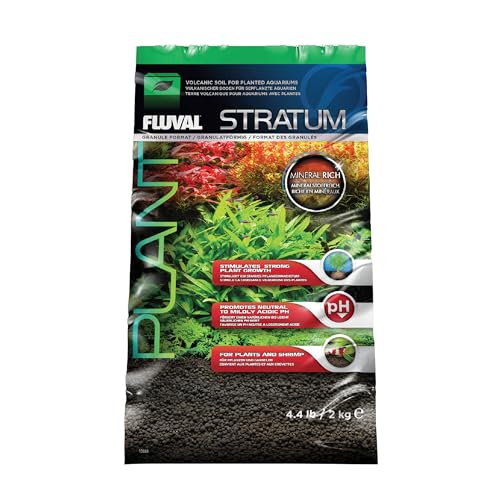
Fluval 12693 Plant and Shrimp Stratum for Freshwater Fish Tanks, 4.4 lbs.
- Rapid Beneficial Bacteria Growth: Porous structure promotes quick colonization
- Maintains Ideal pH Range: Supports neutral to slightly acidic pH
- Shelter for Baby Shrimp: Provides safe haven for newborns
As an affiliate, we earn on qualifying purchases.

Tetra LED 55 Gallon Complete Fish Tank Kit for Freshwater Fish
- Glass Aquarium Kit: Includes glass tank and LED hoods
- Energy-efficient LED Lighting: White LEDs create natural shimmer
- Complete Setup: All-in-one kit for easy setup
As an affiliate, we earn on qualifying purchases.
Summer Picks
summer essentials
As an affiliate, we earn on qualifying purchases.