
For buyers seeking the best prosciutto overall, the Martelli Prosciutto di Parma aged at least 18 months is my leading pick for its protected origin, long aging, and versatile whole-ham format. The 24-month Martelli is a stronger match for shoppers who want a more mature Parma option, while Columbus sliced prosciutto suits people who need a small, ready-to-serve pack. The main tradeoff is scale: whole hams offer more control over slicing and serving, but require substantial storage and handling, while sliced packs are easier to use but offer less flexibility. Aging, origin, and whether the ham is pressed or whole also shape the choice. Read on for the full breakdown and a guide to matching each format to your table.

Get kitchen staples and gadgets delivered free with Prime
- Fast, free delivery on millions of items
- Prime Video, Amazon Music and more included
- Member-only deals all year
Key Takeaways
- The 18-month Martelli Parma is the most balanced whole-ham pick in this lineup, pairing a recognized protected origin with a long aging period without going to the longest listed age.
- The 24-month Martelli Parma is the clearest premium step-up for buyers who specifically want longer-aged Prosciutto di Parma and can use a large boneless ham.
- Whole hams dominate the selection by weight: most are roughly 14 to 18 pounds, so their value depends on having a plan for slicing, storage, and serving.
- Ready-to-eat packs serve a different job: Columbus, Applegate, Salumi Italiani, and the one-pound Italian-style option suit smaller households or occasional use better than a whole ham.
- Origin and format matter as much as age: San Daniele D.O.P. offers a distinct protected-origin alternative, while Ferrarini is pressed and should not be treated as interchangeable with a traditional whole ham.
| Prosciutto di Parma PDO Whole Boneless Ham, Minimum 18 Months Aged, Martelli |  | Best Overall for Traditional Parma Prosciutto | Origin: Parma province, Italy | Designation: Prosciutto di Parma PDO | Form: Whole, boneless ham | VIEW LATEST PRICE | See Our Full Breakdown |
| Prosciutto di Parma PDO Whole Boneless Ham, Minimum 24 Months Aged, Martelli |  | Best Premium Pick for Longer Aging | Origin: Parma province, Italy | Designation: Prosciutto di Parma PDO | Form: Whole, boneless ham | VIEW LATEST PRICE | See Our Full Breakdown |
| Imported Italian Prosciutto, Aged 14 Months, Boneless Sliced, 4 Pounds |  | Best for Convenient Bulk Portions | Origin: Tuscany, Italy | Stated age: 14 months; description also says up to 18 months | Form: Boneless, sliced | VIEW LATEST PRICE | See Our Full Breakdown |
| Ferrarini Boneless Pressed Prosciutto, 14.5 lbs |  | Best for Easy Slicing in a Large Format | Brand: Ferrarini | Origin: Parma, Italy | Type: Boneless, pressed prosciutto | VIEW LATEST PRICE | See Our Full Breakdown |
| COLUMBUS Sliced Prosciutto Deli Meat, 3 oz |  | Best for Small Portions and Beginners | Product type: Air-dried prosciutto | Net weight: 3 oz | Form: Sliced deli meat | VIEW LATEST PRICE | See Our Full Breakdown |
| Prosciutto di San Daniele D.O.P. Boneless Whole Ham, Aged 18 Months, Approx. 17 lb |  | Best for San Daniele Provenance | Origin: San Daniele del Friuli, Italy | Certification: D.O.P. (Protected Designation of Origin) | Product type: Boneless whole pork leg ham | VIEW LATEST PRICE | See Our Full Breakdown |
| Salumi Italiani Italian Prosciutto, 4 oz |  | Best Ready-to-Serve Italian Import | Weight: 4 oz | Origin: Italy | Type: Air-cured ham | VIEW LATEST PRICE | See Our Full Breakdown |
| Negroni Italia Boneless Prosciutto, Dry-Cured, Aged 14 Months, 14 lb |  | Best Mid-Size Whole Leg | Brand: Negroni Italia | Weight: 14 lb | Aging: 14 months | VIEW LATEST PRICE | See Our Full Breakdown |
| Italian Style Prosciutto, Thin Sliced, 1 lb |  | Best Pantry-Friendly Sliced Option | Weight: 1 lb | Curing time: 12 months | Origin: Product of the USA | VIEW LATEST PRICE | See Our Full Breakdown |
| Applegate Naturals Sliced Prosciutto, 3 oz | 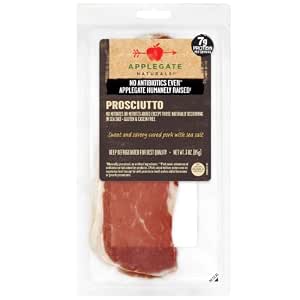 | Best for Ingredient-Conscious Shoppers | Weight: 3 oz | Form: Sliced | Antibiotics or added hormones: None | VIEW LATEST PRICE | See Our Full Breakdown |
| Martelli Boneless Prosciutto di Parma PDO, Minimum 400 Days Aged, Approx. 16 lb |  | Best for Classic Parma Flavor | Brand: Martelli | Product type: Boneless whole ham | Approximate weight: 16 lb | VIEW LATEST PRICE | See Our Full Breakdown |
| Italian Prosciutto “Colori e Sapori” – 14 Months Aged, 16 lb Whole Ham | Authentic Dry-Cured Prosciutto, Traditional Italian Flavor |  | Best for Bone-In Presentation | Brand: Colori e Sapori | Product type: Bone-in whole ham | Weight: 16 lb | VIEW LATEST PRICE | See Our Full Breakdown |
| prosciutto | Origin | Form |
|---|---|---|
| Prosciutto di Parma PDO Whole | Parma province, Italy | Whole, boneless ham |
| Prosciutto di Parma PDO Whole | Parma province, Italy | Whole, boneless ham |
| Imported Italian Prosciutto | Tuscany, Italy | Boneless, sliced |
| Ferrarini Boneless Pressed Pro | Parma, Italy | — |
| COLUMBUS Sliced Prosciutto Del | — | Sliced deli meat |
| Prosciutto di San Daniele D.O. | San Daniele del Friuli, Italy | — |
| Salumi Italiani Italian Prosci | Italy | — |
| Negroni Italia Boneless Prosci | Italy | Boneless whole leg |
| Italian Style Prosciutto | Product of the USA | — |
| Applegate Naturals Sliced Pros | — | Sliced |
| Martelli Boneless Prosciutto d | Parma, Italy | — |
| Italian Prosciutto “Colori e S | Italy | — |
More Details on Our Top Picks
Prosciutto di Parma PDO Whole Boneless Ham, Minimum 18 Months Aged, Martelli
I’d choose this 18-month Prosciutto di Parma as the balanced whole-ham pick: it pairs protected Parma origin with a clearly stated minimum aging period, without committing to the more extended cure of Martelli’s 24-month version. Its boneless form suits buyers who want to slice for boards, sandwiches, or cooking, though a whole ham calls for suitable slicing tools and a plan for using a substantial amount. The producer describes its flavor as rich and intense, but no detailed tasting notes or slice thickness are provided. Compared with the 4-pound sliced Tuscan prosciutto, this is a better fit for repeated entertaining or portioning at home, not quick, low-volume use. The main tradeoff is scale: at approximately 18 pounds, it is a large commitment for a small household.
Pros:- Protected Designation of Origin ties production to Parma province and its stated production standards.
- Minimum 18-month aging offers a defined cure without choosing the longer-aged 24-month alternative.
- Boneless whole-ham format can be portioned for boards, sandwiches, and cooking.
- The product description identifies it as gluten-free.
Cons:- Approximately 18 pounds is a large quantity to manage and use.
- A whole ham requires buyers to handle slicing and storage themselves.
- The description gives no specific guidance on slice thickness or detailed flavor profile.
Best for: Hosts and frequent prosciutto eaters who want a large, boneless Parma ham with a stated minimum aging period and flexibility to slice it for several uses.
Not ideal for: Small households, occasional users, or shoppers without a way to slice and store a whole ham; the approximately 18-pound format is far less convenient than packaged sliced prosciutto.
- Origin:Parma province, Italy
- Designation:Prosciutto di Parma PDO
- Form:Whole, boneless ham
- Approximate weight:18 lb
- Minimum aging:18 months
- Producer:Martelli
- Dietary information:Gluten-free, according to the product description
Our verdict“Choose this for a large-format, traditionally identified Parma ham; opt for the sliced Tuscan option if convenience and smaller portions matter more.”
Prosciutto di Parma PDO Whole Boneless Ham, Minimum 24 Months Aged, Martelli
This is the lineup’s clearest choice for buyers who specifically want a longer-aged Parma ham: Martelli states a minimum of 24 months, compared with 18 months for its related whole-ham option. Both are boneless, approximately 18-pound Prosciutto di Parma PDO hams, so the distinguishing factor is the stated aging period rather than format or origin. The producer describes this version as rich and intense, but the listing does not supply detailed tasting notes that would quantify how the extra aging changes its flavor or texture. I’d reserve this for experienced prosciutto buyers planning a substantial board or repeated serving. For smaller-scale use, the 4-pound sliced Tuscan option is far easier to portion. The tradeoff here is a large whole-ham commitment, with no convenience of pre-slicing.
Pros:- The stated minimum 24-month aging period is longer than the 18-month Martelli alternative.
- Parma PDO designation specifies the product’s regional origin.
- Boneless whole-ham format allows buyers to slice portions for different occasions.
- The product description identifies it as gluten-free.
Cons:- Approximately 18 pounds can be excessive for infrequent use or a small household.
- Requires buyers to arrange slicing and manage storage after opening.
- The listing does not detail how its flavor and texture differ from the 18-month version.
Best for: Experienced prosciutto buyers and hosts who want a large Parma PDO ham with a stated minimum 24-month aging period.
Not ideal for: Occasional users or buyers seeking ready-to-serve portions; this whole ham is approximately 18 pounds and requires slicing and storage.
- Origin:Parma province, Italy
- Designation:Prosciutto di Parma PDO
- Form:Whole, boneless ham
- Approximate weight:18 lb
- Minimum aging:24 months
- Producer:Martelli
- Dietary information:Gluten-free, according to the product description
Our verdict“Pick this over Martelli’s 18-month ham when the longer stated cure is your priority and you can make use of a whole ham.”
Imported Italian Prosciutto, Aged 14 Months, Boneless Sliced, 4 Pounds
Four pounds of prosciutto arrives in four separate one-pound vacuum-sealed bags, making this the practical middle ground between a small deli pack and a whole ham. That portioning is its main advantage over the 14.5-pound Ferrarini pressed prosciutto: buyers can open one bag at a time instead of immediately managing a much larger piece. The listing identifies the meat as imported from Tuscany, hand-selected, boneless, and sliced, with a stated 14-month age. However, its description also says curing may extend up to 18 months, so the aging information is less precise than the minimums given for Martelli’s Parma hams. The leg section may vary as well, which could affect the cut received. I’d choose it for ready-to-serve volume, not for buyers who need a whole-ham presentation or exact consistency.
Pros:- Four separate one-pound vacuum-sealed bags let buyers open portions as needed.
- Arrives boneless and sliced, avoiding the work of carving a whole ham.
- Imported from Tuscany and described as hand-selected and traditionally cured.
- Four-pound total quantity serves buyers who need more than a small deli pack.
Cons:- The listing gives conflicting aging information: 14 months and up to 18 months.
- The leg section may vary, so the cut is not guaranteed to be consistent.
- Four pounds may still be more than an occasional prosciutto eater needs.
Best for: Families, hosts, or meal planners who want several pounds of ready-sliced imported prosciutto divided into separately sealed portions.
Not ideal for: Buyers seeking a clearly specified aging duration, a consistent leg-section cut, or a whole-ham centerpiece.
- Origin:Tuscany, Italy
- Stated age:14 months; description also says up to 18 months
- Form:Boneless, sliced
- Total package weight:4 lb
- Packaging:Four 1-pound vacuum-sealed bags
- Cut:Top, middle, or lower leg section, depending on availability
- Preparation:Hand-selected and traditionally cured, according to the description
Our verdict“Choose this for portioned, ready-sliced volume; choose a Martelli Parma ham if a clearly stated minimum aging period and PDO origin matter more.”
Ferrarini Boneless Pressed Prosciutto, 14.5 lbs
Ferrarini’s distinction is its boneless, pressed shape, which the listing presents as convenient for slicing. That makes it a more straightforward choice for buyers who want a large piece for regular sandwich service than the whole, unpressed-style Parma hams from Martelli, though those Martelli options provide specific 18- or 24-month minimum aging and PDO status that Ferrarini’s description does not claim. The product is described as Parma-made, buttery, and balanced in saltiness, so it may suit buyers who prefer a softer, less sharply salty profile. Its approximately 14.5-pound size still requires substantial storage and ongoing use, and weight varies by piece. I’d treat this as a practical bulk format rather than a pick for shoppers who prioritize a stated cure length or a smaller ready-sliced pack like Columbus.
Pros:- Pressed, boneless form is described as convenient for slicing.
- Parma, Italy, is identified as its origin.
- The listed buttery texture and balanced saltiness offer a different profile from the rich, intense Martelli Parma descriptions.
- Versatile for sandwiches, charcuterie, and cooking.
Cons:- At approximately 14.5 pounds, it is a large commitment for modest or occasional use.
- The weight varies by piece.
- The supplied product details do not state an aging period or PDO designation.
Best for: Delis, sandwich-focused households, and frequent hosts who want a large Parma-made prosciutto in a pressed form intended for easier slicing.
Not ideal for: Small households or buyers who want a stated aging period, PDO designation, or a compact ready-sliced package.
- Brand:Ferrarini
- Origin:Parma, Italy
- Type:Boneless, pressed prosciutto
- Approximate weight:14.5 lb
- Weight variation:Varies per piece
- Import status:Imported
- Described texture and flavor:Buttery texture with balanced saltiness
Our verdict“Choose Ferrarini for a large, pressed Parma prosciutto geared toward easier slicing, but pick Martelli if specified aging and PDO status are your priorities.”
COLUMBUS Sliced Prosciutto Deli Meat, 3 oz
At 3 ounces, pre-sliced and ready to serve, Columbus is the easiest entry point here for buyers who want a small amount without dealing with a whole ham or several pounds of vacuum-packed slices. It is air-dried and seasoned with salt, with a lean, savory flavor described by the maker. That straightforward format suits a sandwich, a small charcuterie board, or a recipe that calls for a modest amount. Compared with the 4-pound Tuscan sliced prosciutto, Columbus is far easier to use up if prosciutto is an occasional purchase; the larger pack offers more volume and separate bags for repeat use. The tradeoff is limited quantity and less provenance detail: unlike the Martelli products, the listing does not identify a specific Italian region or aging period.
Pros:- Small 3-ounce pack is manageable for occasional use.
- Sliced format is ready to add to sandwiches, dishes, or a charcuterie board.
- Air-dried and seasoned with salt, according to the product description.
- Listed as gluten-free and free from MSG, artificial flavors, and artificial colors.
Cons:- The 3-ounce quantity is limited for group entertaining or frequent use.
- The provided details do not identify a specific region of origin or aging period.
- Contains pork, so it is unsuitable for buyers avoiding pork.
Best for: First-time buyers, solo eaters, and anyone who needs a small ready-sliced portion for a sandwich, recipe, or compact board.
Not ideal for: Hosts serving a crowd or buyers seeking a specified Italian origin, aging period, or large-format whole ham.
- Product type:Air-dried prosciutto
- Net weight:3 oz
- Form:Sliced deli meat
- Seasoning:Salt
- Dietary attribute:Gluten-free, according to the product data
- Additives information:Free from MSG and artificial flavors or colors, according to the product data
- Contains:Pork
Our verdict“Choose Columbus for a small, convenient portion; buy the Tuscan sliced pack or a whole ham when you need substantially more prosciutto.”
Prosciutto di San Daniele D.O.P. Boneless Whole Ham, Aged 18 Months, Approx. 17 lb
For buyers who want a whole prosciutto with a clearly defined regional pedigree, this San Daniele D.O.P. leg stands apart from the Italian-origin Negroni Italia whole leg: its protected designation ties production to San Daniele del Friuli, while its minimum 18-month aging gives it a longer cure than Negroni’s 14 months. The boneless format is easier to portion than a bone-in ham, and the large leg can supply thin slices for boards, sandwiches, and appetizers over repeated servings. The tradeoff is scale: at approximately 17 pounds, it calls for suitable slicing equipment, storage room, and a plan for using it. I would choose it for a gathering or a household that serves prosciutto often, not for someone seeking a small, ready-to-eat pack.
Pros:- D.O.P. designation specifies production in San Daniele del Friuli.
- Minimum 18-month aging exceeds the 14-month cure listed for Negroni Italia.
- Boneless whole-leg format supports slicing to suit different serving occasions.
- Useful across charcuterie boards, sandwiches, and appetizers.
Cons:- Approximately 17 pounds is a substantial commitment for a small household.
- A whole leg requires slicing equipment and room for storage.
- Vacuum-sealed whole ham is less immediately convenient than pre-sliced options such as Salumi Italiani.
Best for: Hosts and frequent prosciutto eaters who want a large, boneless ham with San Daniele D.O.P. provenance and have space to store and slice it.
Not ideal for: Small households or occasional snackers who lack a slicer, storage space, or a way to use a 17-pound leg.
- Origin:San Daniele del Friuli, Italy
- Certification:D.O.P. (Protected Designation of Origin)
- Product type:Boneless whole pork leg ham
- Curing:Dry-cured with sea salt
- Aging:Minimum 18 months
- Approximate weight:17 lb
- Packaging:Vacuum sealed
Our verdict“Choose this San Daniele D.O.P. leg if regional provenance and a long-aged whole ham matter more to you than compact storage and ready-sliced convenience.”
Salumi Italiani Italian Prosciutto, 4 oz
This 4-ounce, paper-thin sliced pack is the convenient alternative to whole legs such as the San Daniele D.O.P. ham, which asks buyers to provide slicing gear and storage. Imported from Italy and made by a fourth-generation cured-meat company, it suits a small appetizer plate or a snack without committing to a large piece of ham. The suggested pairings—cantaloupe and Parmigiano Reggiano—also make it easy to serve with little preparation. Its compact size is a strength for occasional use, but a drawback if you are feeding a group or building several substantial boards. The supplied details do not specify an aging period or a protected regional designation, so buyers prioritizing those points may prefer the San Daniele or Negroni whole-leg options.
Pros:- Imported from Italy.
- Pre-sliced paper-thin for immediate serving.
- Small 4-ounce pack suits snacks and modest appetizer portions.
- Producer has a fourth-generation family history in cured meats dating to 1925.
Cons:- Four ounces may not stretch far for a gathering or repeated meals.
- The supplied product details do not state an aging period.
- No protected regional designation is specified, unlike the San Daniele D.O.P. whole ham.
Best for: Occasional prosciutto eaters who want an imported, paper-thin sliced pack for a small snack or simple appetizer.
Not ideal for: Hosts serving a crowd or buyers who want a specified aging period or D.O.P. regional certification.
- Weight:4 oz
- Origin:Italy
- Type:Air-cured ham
- Preparation:Pre-sliced, paper-thin
- Producer history:Fourth-generation family company making cured meats since 1925
Our verdict“Pick Salumi Italiani for a small, ready-to-serve Italian prosciutto portion rather than a large whole ham or a specifically aged regional specialty.”
Negroni Italia Boneless Prosciutto, Dry-Cured, Aged 14 Months, 14 lb
At 14 pounds, this boneless whole leg is a more manageable large-format choice than the approximately 17-pound San Daniele D.O.P. ham, while still giving frequent prosciutto eaters plenty to slice. Its 14-month dry cure is specified, and the producer says each leg is treated individually to support consistency. That makes it a practical pick for buyers focused on a whole Italian prosciutto without paying—through sheer volume in their kitchen—the same storage commitment as the larger San Daniele. The tradeoff is that it has a shorter stated aging period and no D.O.P. certification listed. Compared with Salumi Italiani’s ready-sliced 4-ounce pack, Negroni demands a slicer, space, and a plan for using a large leg; it rewards regular serving rather than occasional snacking.
Pros:- Boneless whole-leg format is suited to slicing portions as needed.
- Specified 14-month dry-curing period.
- Each leg is treated individually to support consistent quality and flavor.
- At 14 pounds, it is smaller than the approximately 17-pound San Daniele option.
Cons:- A 14-pound leg still requires substantial storage and regular use.
- The listed aging period is shorter than the 18-month San Daniele D.O.P. ham.
- No D.O.P. certification is specified in the product details.
Best for: Frequent prosciutto eaters who want a boneless Italian whole leg but prefer a somewhat smaller format than the 17-pound San Daniele ham.
Not ideal for: Occasional consumers or buyers without slicing equipment and space for a 14-pound leg.
- Brand:Negroni Italia
- Weight:14 lb
- Aging:14 months
- Form:Boneless whole leg
- Curing:Dry-cured
- Origin:Italy
Our verdict“Choose Negroni Italia if you want an Italian boneless whole leg in a somewhat smaller format than the San Daniele ham and can slice and store it.”
Italian Style Prosciutto, Thin Sliced, 1 lb
This one-pound thin-sliced pack fills the gap between Salumi Italiani’s small 4-ounce portion and the whole legs that require slicing equipment. Its shelf-stable-until-opened packaging also avoids the cold-pack shipping needs described for many sliced meats, which can make advance planning easier. The ham is made in the USA by artisan salumists using Parma-style methods, hand-selected pork, and a 12-month dry cure; its stated buttery, velvety, and nutty profile suits boards, pizza, and sandwiches. That style and convenience come with a provenance tradeoff: it is not an imported Italian prosciutto like Salumi Italiani or the Negroni whole leg. Once opened, it must be refrigerated, and the product is less suited to buyers seeking a protected Italian regional designation.
Pros:- One-pound format offers more than the 4-ounce Salumi Italiani pack.
- Thin-sliced and ready to use on boards, pizzas, and sandwiches.
- Shelf-stable until opened and ships without dry ice or ice packs.
- Hand-selected pork is dry-cured for 12 months using Italian-style methods.
Cons:- Made in the USA rather than imported from Italy.
- Requires refrigeration after opening.
- No D.O.P. regional certification is specified.
Best for: Home cooks who want a larger supply of thin-sliced prosciutto for boards and meals, plus shelf-stable storage before opening.
Not ideal for: Buyers seeking an imported Italian ham or D.O.P. provenance, or anyone who cannot refrigerate the product after opening.
- Weight:1 lb
- Curing time:12 months
- Origin:Product of the USA
- Storage:Shelf-stable until opened; refrigerate after opening
- Shipping:No dry ice or ice packs required
- Preparation:Thin sliced
- Crafting method:Hand-trimmed and made by artisan salumists using traditional Parma methods
Our verdict“Choose this pack for a practical, larger supply of ready-sliced Italian-style prosciutto, but choose an imported option if origin is your priority.”
Applegate Naturals Sliced Prosciutto, 3 oz
Applegate’s clearest distinction is its stated ingredient and animal-raising criteria, not a specified regional origin or aging period. The 3-ounce sliced pack is easy to use for a small meal or board, and the product is described as made without antibiotics, added hormones, chemical nitrites or nitrates, artificial ingredients, or GMO ingredients. It also fits several dietary preferences, including gluten-free and sugar-free. That makes it a more targeted choice than the imported Salumi Italiani pack, whose supplied details emphasize Italian origin and paper-thin slicing rather than these production claims. The tradeoff is limited information for buyers comparing traditional curing: no curing duration or origin is provided here. Like other small packs, it is not the right format for serving a crowd.
Pros:- Made without antibiotics or added hormones.
- Made without chemical nitrites or nitrates.
- Free from artificial ingredients and GMO ingredients, according to the product details.
- Listed as Whole30 approved, gluten-free, sugar-free, dairy-free, and casein-free.
Cons:- At 3 ounces, the pack is suited to limited servings rather than a crowd.
- The supplied details do not specify origin or aging duration.
- Buyers seeking an imported Italian product may prefer Salumi Italiani.
Best for: Ingredient-conscious shoppers seeking a small sliced prosciutto pack with stated animal-raising and ingredient standards.
Not ideal for: Buyers who prioritize Italian origin, D.O.P. certification, or a specified aging period, or who need prosciutto for a large gathering.
- Weight:3 oz
- Form:Sliced
- Antibiotics or added hormones:None
- Chemical nitrites or nitrates:None
- Artificial or GMO ingredients:None
- Dietary attributes:Whole30 approved, gluten-free, sugar-free, dairy-free, and casein-free
- Animal welfare:Humanely raised
Our verdict“Pick Applegate Naturals for its stated ingredient and animal-welfare attributes, not for regional Italian provenance or a documented aging period.”
Martelli Boneless Prosciutto di Parma PDO, Minimum 400 Days Aged, Approx. 16 lb
Martelli’s Prosciutto di Parma PDO is the pick for buyers who want a large, boneless ham with a clearly defined regional origin. Its minimum 400-day aging and described tender texture and delicate sweetness suit thin slices for antipasti, cheese boards, or melon. Compared with the Colori e Sapori 14-month bone-in ham, this option is boneless and carries the Parma PDO designation, making it easier to portion and giving shoppers a specific origin standard to look for. It is also less aged than the roundup’s Martelli 18- and 24-month hams, so it may suit people who prefer a milder profile over a longer-aged one. The main tradeoff is scale: at about 16 pounds, it calls for carving space, storage, and a plan to use the ham over time.
Pros:- Parma, Italy origin with Protected Designation of Origin status
- Aged for at least 400 days for a tender texture and delicate sweetness
- Boneless format is more convenient to carve and portion than the bone-in Colori e Sapori ham
- Gluten-free
Cons:- Large whole-ham format requires substantial storage and carving space
- Less aged than the Martelli 18- and 24-month options in the roundup
- Requires buyers to slice and manage a whole ham rather than open a ready-sliced pack
Best for: Hosts, restaurants, and serious charcuterie fans seeking a boneless, Parma PDO ham for repeated slicing and serving
Not ideal for: Small households or occasional prosciutto eaters who lack space to store and use a roughly 16-pound whole ham
- Brand:Martelli
- Product type:Boneless whole ham
- Approximate weight:16 lb
- Origin:Parma, Italy
- Designation:Protected Designation of Origin (PDO/DOP)
- Minimum aging:400 days
- Gluten:Gluten-free
Our verdict“Choose this boneless Parma PDO ham if you want a large, versatile whole ham with a milder aged profile and have room to store it.”
Italian Prosciutto “Colori e Sapori” – 14 Months Aged, 16 lb Whole Ham | Authentic Dry-Cured Prosciutto, Traditional Italian Flavor
Colori e Sapori’s 16-pound bone-in ham suits buyers who value carving a whole prosciutto at home or serving it at an event. The description specifies traditional dry-curing with pork and sea salt, followed by 14 months of aging, for a tender texture and savory-sweet flavor. Unlike the Martelli Prosciutto di Parma PDO, this ham is bone-in and the provided details do not name a protected regional designation; its appeal is the traditional carving format rather than a stated Parma origin credential. That presentation can make it a natural centerpiece for gatherings, while the bone makes handling and slicing less straightforward than with a boneless ham. Its broad uses—from antipasti to sandwiches and pasta—add flexibility, but a whole 16-pound ham is a substantial commitment for anyone who serves prosciutto only occasionally.
Pros:- Bone-in whole-ham presentation suits fresh carving and event service
- Aged for 14 months using traditional dry-curing methods
- Made with pork and sea salt, according to the product description
- Can be served with antipasti, cheeses, sandwiches, or pasta
Cons:- Bone-in format is less convenient to carve and portion than Martelli’s boneless Parma ham
- At 16 pounds, it demands significant storage and a plan for ongoing use
- The supplied product details do not specify a PDO designation or a more precise Italian region
Best for: Hosts, restaurants, and home cooks who want a bone-in Italian prosciutto to carve fresh for gatherings and use across multiple dishes
Not ideal for: Buyers seeking a compact, ready-to-serve option or a product explicitly labeled with a PDO designation
- Brand:Colori e Sapori
- Product type:Bone-in whole ham
- Weight:16 lb
- Origin:Italy
- Aging:14 months
- Curing method:Traditional dry-curing
- Listed ingredients:Pork and sea salt
Our verdict“Pick this ham if you want a traditional bone-in centerpiece for carving and can manage its size and less convenient slicing.”

How We Picked
I compared the 12 products by the details that most affect a prosciutto purchase: origin and designation, stated aging period, whole-ham versus sliced format, product size, and the practical fit for home use. Products with clear origin and aging information ranked ahead of options whose names or descriptions provide fewer specifics. I also treated format as a major distinction: a large boneless ham can suit frequent entertaining, but it is a poor fit for a buyer who only needs a few servings.
The ranking gives the lead to options that combine identifiable style, useful aging information, and broad serving flexibility. The 18-month Martelli Parma comes first as a balanced whole-ham choice; the 24-month version ranks higher for the premium-aged niche, while smaller sliced packs earn their place for convenience rather than competing directly on scale. I kept pressed prosciutto, protected-origin hams, and Italian-style sliced products distinct, since their stated formats and origin claims do not support a like-for-like ranking on age alone.
| prosciutto | Origin | Form |
|---|---|---|
| Prosciutto di Parma PDO Whole | Parma province, Italy | Whole, boneless ham |
| Prosciutto di Parma PDO Whole | Parma province, Italy | Whole, boneless ham |
| Imported Italian Prosciutto | Tuscany, Italy | Boneless, sliced |
| Ferrarini Boneless Pressed Pro | Parma, Italy | — |
| COLUMBUS Sliced Prosciutto Del | — | Sliced deli meat |
| Prosciutto di San Daniele D.O. | San Daniele del Friuli, Italy | — |
| Salumi Italiani Italian Prosci | Italy | — |
| Negroni Italia Boneless Prosci | Italy | Boneless whole leg |
| Italian Style Prosciutto | Product of the USA | — |
| Applegate Naturals Sliced Pros | — | Sliced |
| Martelli Boneless Prosciutto d | Parma, Italy | — |
| Italian Prosciutto “Colori e S | Italy | — |
Factors to Consider When Choosing Best Prosciutto
Choosing prosciutto is less about finding one universally superior ham and more about matching format, origin, and quantity to how you plan to serve it. These broader points can help narrow the field before choosing among the specific picks above.
Match the Package Size to Your Real Use
A 14- to 18-pound whole ham is a substantial commitment, even when it is boneless. Think about how often you expect to serve prosciutto and whether you can portion and store it properly after opening. A whole ham makes more sense for regular entertaining, a busy kitchen, or a household that will use it across several meals. For an occasional antipasto board, a small sliced pack can prevent excess product from becoming a storage problem. A common mistake is comparing a whole ham and a few ounces of slices as if they offer the same convenience. Choose by expected use, not just the amount listed on the package.
Treat Protected Origin as a Style Signal
Prosciutto di Parma and Prosciutto di San Daniele carry protected-origin designations, which identify a specific production tradition and geographic connection. That information can help buyers who want a named regional style rather than a product described only as Italian or Italian-style. A protected designation does not by itself tell you whether a ham will suit your preferred salt level, texture, or serving occasion. Read the product description for aging and format as well, since those details affect the experience in different ways. Do not assume that every Italian prosciutto has the same origin or production standards. If provenance is a priority, favor clear designation information over a broad country-of-origin phrase.
Use Aging Time as a Clue, Not a Promise
The options here range from 400 days and 14 months to 18 and 24 months of stated aging. Longer aging is a useful point of distinction, but it does not automatically make a ham the right choice for every palate or recipe. It can be a reason to choose a more mature, premium-positioned option, while a shorter stated period may suit buyers who want a less specialized everyday choice. Compare like with like: aging claims are most useful alongside origin and product format. A sliced product with a stated age may be easier to portion, but its format still differs from a whole ham. Avoid choosing solely by the largest aging number when the serving plan or origin matters more to you.
Know What Boneless, Pressed, and Sliced Mean for Use
Boneless whole hams are easier to portion than bone-in cuts, though they still require a suitable slicing method and storage plan. Pressed prosciutto, such as the Ferrarini option in this lineup, has a different shape and structure from a whole ham, so it is better judged by how you plan to slice and serve it. Pre-sliced products save preparation time and make portioning straightforward, but you have less control over slice thickness and the package is intended for a different scale of use. For a board, thin slices can be convenient; for cooking, format and quantity may matter more than presentation. Check the exact product description rather than treating all forms of prosciutto as interchangeable.
Choose Convenience or Slicing Control
Pre-sliced packs are the simplest route for quick sandwiches, snacks, or small boards because the preparation is already done. A whole ham gives you more control over slice thickness and lets you prepare portions as needed, but it asks more of the buyer in equipment, handling, and storage. Neither format is automatically better: convenience can reduce waste for light users, while a whole ham can fit households that serve prosciutto often. Consider whether you have a sharp slicing knife or suitable slicer before buying a large cut. Also think about how quickly the package will be used once opened. The best choice is the one that fits your routine, not the format with the most dramatic presentation.
Decide When a Premium Step-Up Makes Sense
Paying more for a product is most defensible when its specific traits matter to your use: a protected origin, longer stated aging, or a whole-ham format you will serve repeatedly. The 24-month Martelli Parma is a clear example of a longer-aged option for buyers who value that distinction. A smaller pack may be the smarter purchase for someone who wants to sample prosciutto or serve it once, even if a whole ham appears more substantial. Do not pay for scale you cannot use, and do not treat age alone as proof that a product suits every dish. For regular hosts, a whole ham can offer flexibility; for occasional use, ready-sliced options keep the commitment modest. Let frequency, provenance, and desired format guide the step-up.
Frequently Asked Questions
Should I buy a whole prosciutto ham or pre-sliced packs?
Choose a whole ham if you expect to serve prosciutto often, want control over slice thickness, and have a plan for slicing and storage. The whole hams in this roundup are large, so they may be excessive for occasional use. Pre-sliced options such as Columbus or Applegate are easier for small servings, quick meals, and buyers without slicing equipment. Their tradeoff is less control over portioning and a much smaller amount per pack. Match the package to how quickly you will use it rather than assuming the larger format is automatically the better buy.
Does 24-month prosciutto always taste better than 18-month prosciutto?
No; the stated aging period is a useful distinction, not a universal quality score. In this selection, the 24-month Martelli Parma is the longest-aged Parma option, while the 18-month version offers a less specialized middle ground. Your preference, serving style, and interest in a longer-aged product matter more than the number alone. Origin and format also affect the buying decision, so compare those alongside age. If you are unsure whether you prefer a more mature style, a smaller ready-to-eat pack can be a lower-commitment way to start.
What is the difference between Prosciutto di Parma and Prosciutto di San Daniele?
Both names refer to protected-origin Italian prosciutto styles, but they are associated with different production areas and traditions. The lineup includes several Prosciutto di Parma products and one boneless Prosciutto di San Daniele D.O.P. ham, so the San Daniele is the direct alternative for buyers prioritizing that designation. A designation helps identify origin, but it does not tell you which style you will personally prefer. Compare the stated aging period, package format, and intended serving use as well. If regional provenance is your priority, choose the designation you specifically want rather than relying on a generic Italian label.
Is pressed prosciutto interchangeable with a whole prosciutto ham?
Not necessarily. The Ferrarini product is described as pressed, while several other large options are whole boneless hams, so their shape and structure differ. That can affect how you slice and present the product, especially if you want broad, delicate slices for a charcuterie board. A pressed format may be more suitable when its shape fits your serving or slicing needs, but it should not be ranked as identical to a traditional whole ham. Check the product description and choose based on the way you plan to portion and serve it.
Which prosciutto is the best choice for a first-time buyer?
A small pre-sliced pack is usually the easiest starting point because it avoids the equipment, storage, and portioning decisions that come with a large ham. Columbus and Applegate both come in 3-ounce packs, while Salumi Italiani offers a 4-ounce pack and the Italian-style sliced option is listed at one pound. The smaller packs suit sampling or a single meal; the one-pound option makes more sense if you already expect to use a larger amount. A whole ham is better reserved for buyers who know they will serve prosciutto regularly. Starting with a modest format lets you learn your preferred style before committing to a large cut.
Conclusion
For the broadest fit, I recommend the Martelli Prosciutto di Parma aged at least 18 months as the best overall pick: it pairs a protected origin with a substantial aging period and a versatile boneless whole-ham format. Buyers seeking the best value in a large format should compare the 400-day Martelli Parma and the 14-month whole-ham options, weighing their stated age and origin details against intended use rather than choosing by size alone. For a premium-aged choice, the 24-month Martelli Parma is the clearest match; for a beginner or occasional buyer, a small sliced pack such as Columbus or Applegate is easier to manage. Choose San Daniele D.O.P. if that protected origin is your priority, or Ferrarini if a pressed format better suits your serving plan. The right pick comes down to how much you will serve, how you want to slice it, and which origin or aging details matter most to you.