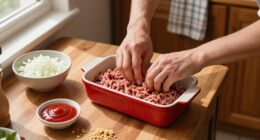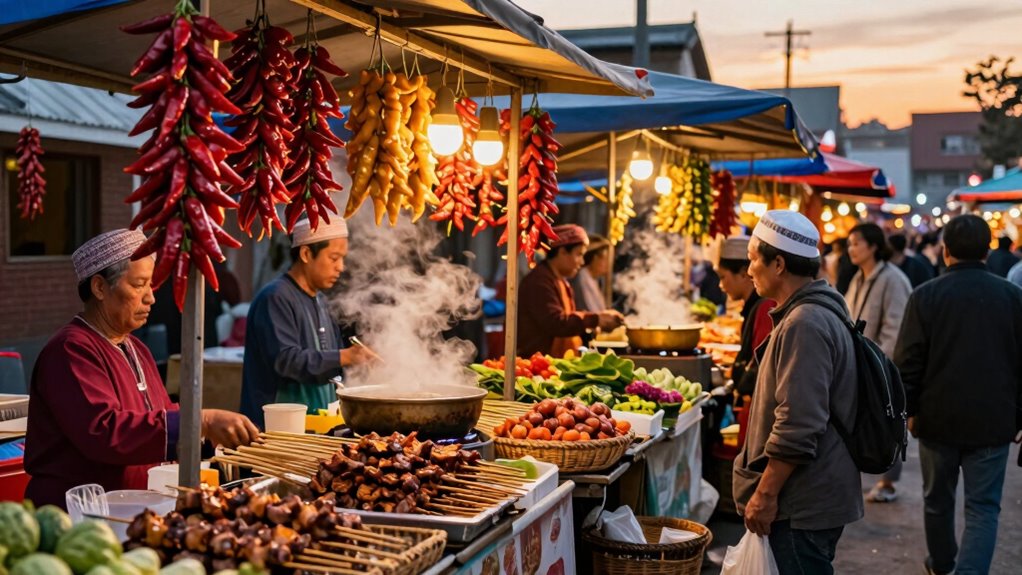

When capturing culinary travel moments, focus on telling stories beyond just the food on the plate. Include vibrant scenes like bustling markets, traditional cooking techniques, and communal eating. Highlight local ingredients, unique presentation styles, and the environment that surrounds each dish. These details reveal culture, history, and social practices, making your photos more authentic and compelling. If you keep exploring, you’ll discover how every shot can connect viewers to deeper cultural stories.

Get kitchen staples and gadgets delivered free with Prime
- Fast, free delivery on millions of items
- Prime Video, Amazon Music and more included
- Member-only deals all year
Key Takeaways
- Capture the cultural context, including local ingredients, traditional techniques, and social rituals surrounding food.
- Focus on environmental details like markets, kitchens, and communal settings to enhance storytelling depth.
- Highlight traditional presentation styles, utensils, and symbolic elements that reflect cultural heritage.
- Observe and document authentic interactions and scenes that reveal community and social practices.
- Emphasize the atmosphere, vibrancy, and environment to create immersive images beyond just the dish.
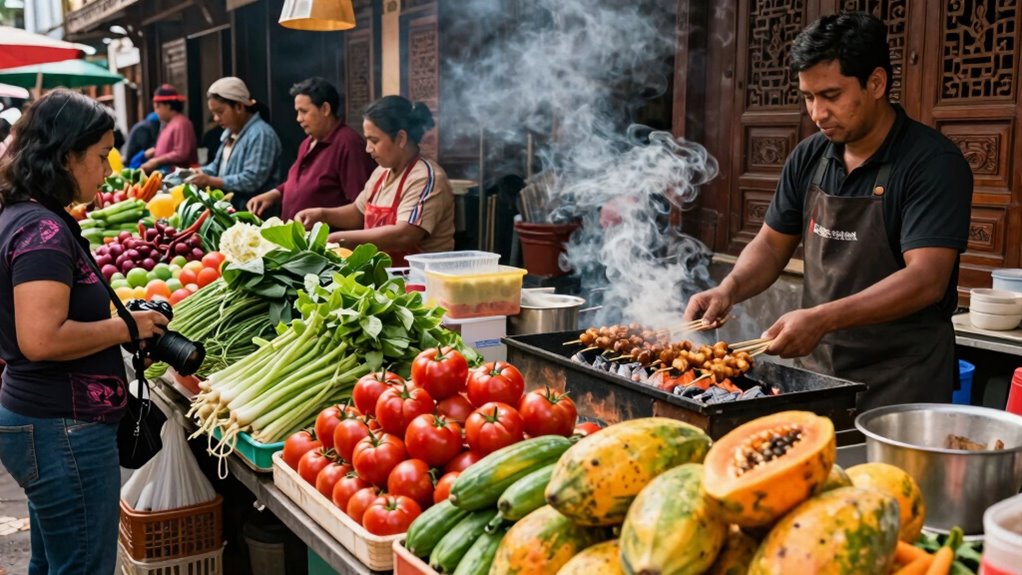
Beyond the aesthetic appeal, these images serve as a form of cultural storytelling. Each shot captures more than just the food itself; it reflects the history, environment, and social practices that shape the culinary scene. For example, a street vendor’s colorful skewers or a family’s traditional feast showcase local ingredients and cooking techniques passed down through generations. When you focus on elements like native tableware, street food vendors in their bustling markets, or communal eating settings, your photos communicate the sense of community and the significance of food in social rituals. They reveal how food acts as a cultural anchor, connecting people and preserving stories of the past. Additionally, paying attention to cultural symbolism in food presentation can reveal deeper meanings and traditional values embedded within the culinary experience. Taking photos that highlight food presentation and cultural storytelling also encourages you to observe more deeply. You start noticing the subtle details—how a dish’s arrangement emphasizes symmetry, or how the choice of serving utensils hints at local customs. These details add richness to your images and deepen your understanding of the place you’re exploring. Your photos become more than just memories—they become narratives that invite others to experience the authenticity of the destination through your lens. Furthermore, capturing the context around the food—the lively market stalls, the bustling kitchens, or the festive celebrations—enriches your storytelling. These settings give your images a sense of place, making viewers feel immersed in the local atmosphere. When you pay attention to how food is presented in its environment, your pictures convey the vibrancy, traditions, and cultural significance that often go unnoticed. Recognizing the cultural context of each scene can enhance the storytelling power of your photos. Exploring culinary heritage in your images can also add an extra layer of depth and appreciation for the traditions behind each dish. Incorporating traditional food presentation techniques can further elevate the storytelling aspect of your photos. As you develop your skills, understanding the cultural significance behind certain dishes can deepen your connection to the places you visit. In doing so, your culinary travel photos become powerful tools for sharing stories that go beyond taste, illustrating the deep connection between food, identity, and culture.
cultural food photography accessories
As an affiliate, we earn on qualifying purchases.
As an affiliate, we earn on qualifying purchases.
Frequently Asked Questions
How Can I Capture Authentic Local Food Experiences Through Photography?
You can capture authentic local food experiences by paying attention to food styling that highlights unique ingredients and presentation styles. Focus on including the cultural context—such as market scenes, cooking methods, or traditional utensils—to tell a richer story. Use natural lighting to emphasize textures and colors, and photograph candid moments of locals preparing or sharing food. These elements bring authenticity and depth to your culinary travel photos.
What Camera Settings Are Best for Vibrant Culinary Travel Photos?
You’ll want to set your camera to aperture priority mode, using a wide aperture (f/2.8–4) to enhance vibrant colors and create a pleasing background blur. Use natural lighting techniques like golden hour for warm, vivid tones, and adjust your ISO to keep images crisp without noise. Composition tips, such as framing with leading lines or the rule of thirds, help capture the essence of the culinary experience vividly.
How Do I Photograph Street Food Markets Effectively?
To photograph street food markets effectively, focus on capturing lively scenes that showcase the vibrant atmosphere. Use a fast shutter speed to freeze motion, and get close to highlight details. Respect food safety and cultural etiquette by asking permission before photographing vendors or dishes. Be mindful of local customs, and avoid disrupting the environment. Natural light works best, so shoot during the day to bring out authentic colors and energy.
What Props or Backgrounds Enhance Food Photos Without Distraction?
Did you know that 80% of viewers find simple backgrounds more appealing? To enhance your food photos, focus on props selection that complements your dish without overwhelming it. Choose backgrounds with minimal detail or neutral tones that let the food shine. Avoid clutter and busy patterns, as they distract from the main subject. By keeping backgrounds simple, you create striking images that highlight the culinary artistry effectively.
How Can I Tell a Story Through My Culinary Travel Images?
You can tell a story through your culinary travel images by focusing on cultural storytelling and lighting techniques. Capture moments that highlight local traditions, ingredients, or cooking methods to create a narrative. Use lighting to evoke mood—warm tones for cozy scenes or natural light for authenticity. Incorporate elements like markets, utensils, or people in action to convey a sense of place and culture, making your photos more engaging and meaningful.
traditional street food photography kit
As an affiliate, we earn on qualifying purchases.
As an affiliate, we earn on qualifying purchases.
Conclusion
As you capture those culinary moments, remember, the true flavor lies in the memories you create and the stories you tell. Your photos are just gentle whispers of the vibrant experiences awaiting you—hidden gems and shared smiles beyond the plate. So, keep your camera ready, embrace the journey, and let your images hint at the delicious adventures still to come. After all, the most satisfying bites are those savored with your soul, not just your eyes.
As an affiliate, we earn on qualifying purchases.
authentic culinary storytelling photography tools
As an affiliate, we earn on qualifying purchases.
As an affiliate, we earn on qualifying purchases.
NFL season / tailgating Picks
team gear
As an affiliate, we earn on qualifying purchases.